
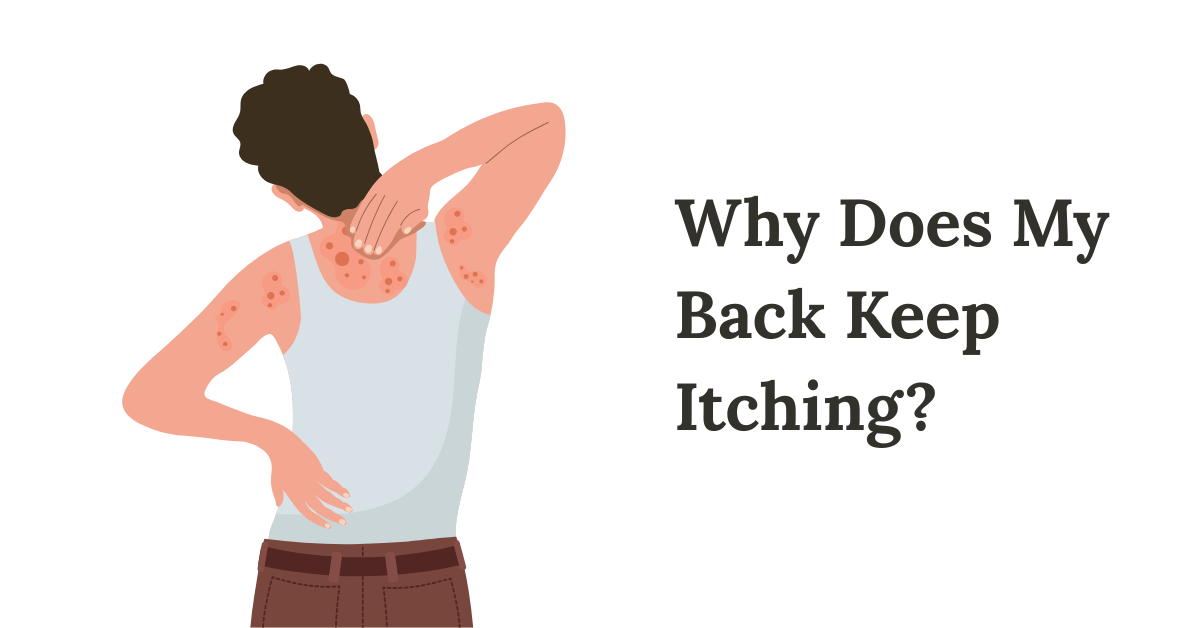
The Mystery Behind an Itchy Back
It’s a feeling that can drive anyone mad. One moment, everything feels perfectly fine, and the next, there’s this persistent itch on my back that just won’t quit. I’ve often found myself scratching away, desperately trying to relieve that annoying sensation. Why does it happen? What could be lurking beneath the skin? Understanding the underlying reasons behind this discomfort is crucial. Not only does it help to alleviate the itch, but it also sheds light on potential health concerns that might need attention.
The skin is a complex organ, and it reacts to various stimuli in ways that can be puzzling. From dry skin to allergies or even stress, there’s a myriad of reasons why my back keeps itching. Each cause comes with its own set of symptoms and treatments. By exploring these factors in detail, I can find clarity and hopefully some relief.
Common Causes of an Itchy Back
There are several common culprits when it comes to an itchy back. One of the first things that come to mind is dry skin. When the air is dry or during winter months, skin can lose moisture quickly. I’ve experienced this firsthand; it feels as if my skin is begging for hydration. The itchiness becomes particularly intense after a shower when my skin is still damp but not sufficiently moisturized. Following the American Academy of Dermatology’s tips for relieving dry skin—like using a gentle cleanser and applying fragrance-free moisturizer right after bathing—can make a real difference.
| Less-Obvious Cause | Tell-tale Clues | Why It Matters |
|---|---|---|
| Shingles (herpes zoster) | Local burning / tingling 2-3 days before a stripe-like rash | Early evaluation and treatment may reduce pain and shorten the illness. |
| Chronic kidney disease | Whole-back “deep” itch, worse at night, sometimes with little or no rash | Can point to uremic pruritus and may need medical management. |
| Cholestasis (liver, pregnancy) | Intense palm/sole itch, sometimes with minimal rash | Bile flow problems can cause itching and need prompt assessment, especially in pregnancy. |
| Hypothyroidism / thyroid swings | Dry, rough skin + weight or energy shifts | Hormone testing can help identify a treatable cause. |
| Opioid medications | Itch starts soon after dose, often chest/back | Medication-related itching may improve with dose changes or alternatives. |
| Neuropathic itch (nerve injury, surgery) | Itch with numbness or “pins-and-needles,” often with little benefit from scratching | May need nerve-focused treatment rather than standard skin creams alone. |
Another likely suspect is an allergic reaction. Whether it’s a new laundry detergent or a fabric softener that doesn’t agree with my skin, allergies can trigger intense itching. I remember switching to a new soap once; within days, my back was covered in hives! Allergies can manifest in many ways, making it essential to pinpoint what might be causing the irritation.
Insect bites are another frequent cause of itchy backs. Mosquitoes are notorious for leaving behind itchy welts after they feast on unsuspecting victims like me! Even if I don’t see the bug at work, the aftermath often leaves me scratching like there’s no tomorrow.
Skin Conditions That Cause Itching
More serious conditions can also lead to persistent itching on my back. Eczema is one such condition that many people battle with. This chronic condition causes patches of inflamed skin that can become incredibly itchy and uncomfortable. I’ve seen friends struggle with eczema flare-ups; they often have to manage their symptoms through topical treatments and lifestyle changes.
Psoriasis is another skin condition worth mentioning. This autoimmune disorder leads to rapid skin cell production, resulting in scaly patches that can itch like crazy! The first time I saw someone dealing with psoriasis up close was eye-opening; the constant battle against itchiness was something I could empathize with deeply.
Fungal infections also come into play here. Conditions like ringworm or athlete’s foot may seem localized but can spread if not treated promptly. A friend once ignored a small patch on his back thinking it was just dry skin—only for it to escalate into a full-blown fungal infection!
Less-Obvious Causes of an Itchy Back
Even when the skin looks calm, the source of the itch can be deeper.
Internal medical triggers
Sometimes itching is linked to internal medical problems rather than a primary skin issue. Kidney disease, liver disease, and thyroid problems can all contribute to ongoing itch, even when the skin itself looks relatively normal. As the NHS explains about itchy skin, persistent itching can occasionally be a sign of underlying thyroid, liver, or kidney problems, which is why lasting or unexplained symptoms deserve medical attention.
Thyroid hormones also affect skin turnover and texture. Too little thyroid activity can leave skin dry, rough, and easily irritated, and the back can become one of the more noticeable trouble spots. When itching lingers alongside fatigue, weight changes, or other body-wide symptoms, basic lab work may help uncover a treatable cause.
Nerve-related itch
Post-surgical scars, shingles, or spinal disc wear can irritate tiny sensory fibres. The brain may interpret these abnormal nerve signals as itch even when no rash exists. This kind of neuropathic itch often does not respond as well to standard antihistamines and may require evaluation for nerve-related treatment options, including prescription medicines or other targeted therapies.
The Role of Stress in Skin Health
Daily pressures don’t just rattle the mind— they can also worsen how the skin feels. Stress is known to aggravate itching and can make conditions like eczema feel itchier or flare more often. Mind-body tactics such as breathwork, short walks, and digital pauses may help lower stress levels and reduce the urge to scratch, especially when stress is acting as a trigger.
Relief Strategies for an Itchy Back
Finding relief from an itchy back becomes paramount once I identify potential causes behind those annoying sensations! First off, moisturizing regularly has made all the difference for me personally; applying lotion immediately after showering helps lock moisture into my skin before dryness sets in.
For those dealing with allergies or irritants from products used daily—a switch might be necessary! Choosing hypoallergenic soaps or detergents has worked wonders for reducing flare-ups over time while keeping things gentle on sensitive areas like my back.
If insect bites become an issue—calamine lotion works wonders at soothing irritated areas while providing temporary relief until healing occurs naturally! Keeping nails trimmed short prevents further damage caused by excessive scratching too; nobody wants secondary infections from broken skin!
In cases where underlying conditions exist—consulting with healthcare professionals provides invaluable guidance tailored specifically towards individual needs whether through prescription medications or lifestyle modifications aimed at managing symptoms effectively!
Advanced Relief & Prevention
Skin-friendly environment
- Humidity matters: Keeping indoor humidity at a comfortable level may help reduce winter dryness and itch for some people.
- Smart showers: Lukewarm water, shorter showers, and a fragrance-free cream while skin is still damp can help seal in moisture.
- Oat power: Colloidal-oatmeal baths or soaks may calm irritated skin and can be helpful for itch-prone or eczema-prone backs.
Upgraded product choices
- Switch to pH-balanced, dye-free, or fragrance-free cleansers if harsh products seem to trigger irritation.
- For recurrent fungal spots, choose breathable fabrics like cotton and keep clothing and bedding clean and dry.
Quick-calm techniques
- Cold-gel packs or a cool compress on the itchy area may help calm irritation for short periods.
- Mind-body pairing: Guided breathing, relaxation exercises, and stress reduction can be useful when stress seems to intensify itch.
A Closer Look at Treatment Options
When home remedies don’t cut it anymore—there are various treatment options available depending upon severity levels associated with each case scenario involving persistent itchiness! Over-the-counter antihistamines provide quick relief against some allergic reactions while topical corticosteroids may soothe inflammation when applied directly onto affected areas.
For chronic conditions such as eczema or psoriasis—dermatologists may prescribe stronger medications aimed at controlling symptoms long-term alongside lifestyle changes designed around avoiding triggers known to exacerbate issues further down the line!
In some instances where fungal infections arise—antifungal creams become necessary alongside oral medications prescribed by doctors based upon specific diagnoses made during consultations held beforehand!
It’s crucial not only understanding what leads me towards experiencing these uncomfortable sensations but also knowing how best handle them moving forward so life remains enjoyable without constant distractions caused by an itchy back!
The Importance of Seeking Professional Help
There comes a point when home remedies simply aren’t enough anymore; seeking professional help becomes essential if symptoms persist despite efforts made towards finding relief independently! Dermatologists specialize in diagnosing various conditions affecting our largest organ—the skin—and provide tailored solutions based upon individual needs presented during consultations held beforehand!
I’ve learned firsthand how valuable professional advice can be—it opens doors towards understanding underlying issues better while providing access towards treatments designed specifically aimed at alleviating discomfort experienced regularly over time!
If nothing else seems effective after trying multiple approaches—it’s always worth considering consulting medical professionals who possess expertise within this field allowing them guide me through navigating options available tailored towards achieving optimal results moving forward!
Key Takeaways: Itchy Back
➤ Everyday triggers — dry skin, detergents, insect bites, and stress.
➤ Chronic culprits — eczema, psoriasis, fungal infections, or nerve-related causes.
➤ Prevention — comfortable indoor humidity, short lukewarm showers, and rich fragrance-free creams.
➤ Fast relief — hypoallergenic products, cool compresses, and oatmeal soaks.
➤ When to seek help — itch lasting > 2 weeks, worsening, or disturbing sleep.
Frequently Asked Questions: Why Does My Back Keep Itching?
What are the common reasons behind why my back keeps itching?
Common reasons for an itchy back include dry skin, allergies, and insect bites. These factors can lead to discomfort and irritation. Dry skin often occurs in dry climates or during winter months, while allergies may arise from soaps or detergents. Insect bites typically cause localized itching.
Can stress really contribute to why my back keeps itching?
Yes, stress can significantly impact skin health. When stressed, the body releases hormones that may worsen existing skin conditions or make itching feel more intense. This can lead to increased itchiness. Managing stress through relaxation techniques can help alleviate these symptoms.
What skin conditions should I be aware of regarding an itchy back?
Several skin conditions, including eczema and psoriasis, can cause persistent itching on the back. Eczema results in inflamed patches that itch intensely, while psoriasis leads to scaly patches due to rapid skin cell production. Consulting a dermatologist is essential for proper diagnosis and treatment.
When should I seek professional help for my itchy back?
If home remedies fail to provide relief from persistent itching, it’s important to seek professional help. Dermatologists can diagnose underlying conditions and recommend tailored treatment options. Persistent symptoms warrant a medical evaluation to prevent complications and ensure effective management.
Conclusion: Why Does My Back Keep Itching?
After delving into this topic thoroughly—it’s evident there are numerous reasons behind why does my back keep itching? From environmental factors triggering allergies through stress exacerbating existing conditions—the journey towards understanding what lies beneath those pesky sensations remains ongoing yet enlightening each step along way!
By recognizing potential triggers associated with these irritating feelings—I’ve discovered ways mitigate discomfort effectively while exploring treatment options available tailored specifically towards individual needs presented throughout discussions held within healthcare settings alike!
Ultimately taking charge over personal health means understanding oneself better alongside seeking out necessary resources needed achieve optimal results moving forward ensuring life remains enjoyable free from distractions caused by relentless itching plaguing daily routines!
References & Sources
- American Academy of Dermatology (AAD). “Dermatologists’ top tips for relieving dry skin” Supports the article’s guidance on dry skin, gentle cleansing, and applying fragrance-free moisturizer after bathing.
- NHS. “Itchy skin” Supports the article’s point that persistent itching can sometimes be linked to underlying problems such as thyroid, liver, or kidney conditions.