
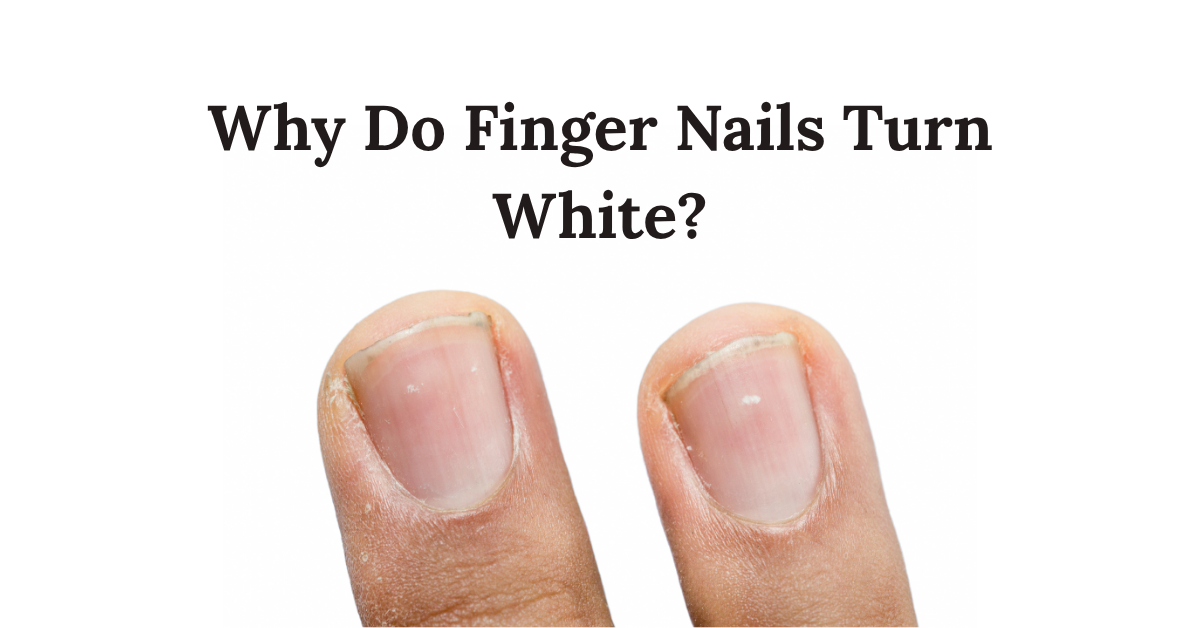
Finger nails can turn white for many reasons — from harmless bumps that leave tiny white dots to health issues such as fungal infections, nutrient gaps, or liver disease.
Understanding Nail Health
Nails are more than just a fashion statement; they reflect our overall health. Healthy nails are usually smooth, strong, and devoid of any discoloration. However, when they start to change color, it can be alarming. One of the most common changes people notice is when nails turn white. This phenomenon can be attributed to several factors ranging from minor issues to serious health conditions. Understanding why this happens is crucial for maintaining not just nail health but our general well-being.
Nails are made of a protein called keratin, which forms the hard structure we see. When something disrupts this process or affects the underlying tissues, it can lead to discoloration. This isn’t just a cosmetic issue; it might indicate something deeper going on in the body. So, let’s dive into the various reasons behind this color change.
Common Causes of White Nails
There are several reasons why finger nails turn white. Some causes are benign and easily reversible, while others may signal underlying health concerns. Here’s a closer look at some of the most common reasons.
- Injury or Trauma: A bump, slam, or repeated micro-trauma can bruise the nail matrix — the factory that makes new nail cells. This disruption traps tiny air pockets inside the growing plate and shows up as chalk-white dots or streaks (called punctate leukonychia). The spot grows out with the nail and gradually trims away; color returns without special treatment.
- Fungal Infections: Fungal infections are another primary reason for nails turning white. They thrive in warm and moist environments, often leading to discoloration and even crumbling of the nail structure over time. Treatment typically involves antifungal medications or topical treatments.
- Nutritional Deficiencies: A diet lacking essential nutrients can manifest in many ways, including changes in nail color. Deficiencies in minerals like zinc or vitamins such as B12 may lead to white spots or an overall pale appearance of nails.
- Medical Conditions: Certain medical conditions can also be culprits behind why finger nails turn white. For instance, liver disease might cause a condition known as leukonychia where the nails appear whitish due to an imbalance in protein levels in the body.
- Chemical Exposure: Frequent use of harsh chemicals found in cleaning products or nail-polish removers can weaken nails and lead to discoloration over time. Regularly applying moisturizers and using gloves during cleaning tasks can help mitigate this effect.
- Genetic Factors: Some people may simply have a genetic predisposition for lighter-colored nails or specific patterns of discoloration that don’t necessarily indicate poor health.
Understanding the Different “Whites”
| Type of Leukonychia | How It Looks | What It Often Means |
|---|---|---|
| Punctate | Pin-point dots that move outward as the nail grows. | Matrix trauma, mild zinc shortage |
| Transverse (Mees’ Lines) | Single or double horizontal bands crossing the plate. | Arsenic exposure, acute kidney injury, some chemotherapies |
| Muehrcke Lines | Paired white stripes that do not move with growth. | Low blood-albumin from liver disease or malnutrition |
| Terry’s Nails | Nail appears ~80 % white with a narrow normal-colored tip. | Advanced liver cirrhosis, heart failure, uncontrolled diabetes |
| Total Leukonychia | Entire plate snow-white on all nails. | Rare genetic PLCD1 mutation or severe systemic illness |
The Role of Hygiene and Care
Maintaining proper hygiene is essential for nail health and preventing discoloration like white nails. Regular hand washing is crucial not only for cleanliness but also for preventing infections that could lead to fungal growth beneath the nails.
Cutting and filing nails regularly helps keep them healthy and prevents snagging or breaking that could lead to trauma-induced discoloration. Using quality nail care products is equally important; harsh chemicals can strip away protective oils from both skin and nails.
Moisturizing is another key aspect often overlooked when considering why finger nails turn white. Dryness can lead to brittleness and cracks that allow bacteria or fungi to invade, causing further complications down the line.
Common Causes of White Nails
| Cause | Description | Treatment |
|---|---|---|
| Injury | Trauma from bumps or hits. | No treatment needed; heals naturally. |
| Fungal Infection | Growth of fungi under the nail. | Antifungal medications. |
| Nutritional Deficiency | Lacking essential vitamins/minerals. | Dietary adjustments or supplements. |
| Medical Conditions | Liver disease or other systemic issues. | Medical treatment as prescribed. |
| Chemical Exposure | Harsh chemicals affecting nail integrity. | Avoidance of irritants; moisturize regularly. |
| Genetic Factors | Inherited traits affecting nail color. | No treatment necessary; monitor health. |
Nail Care Tips for Healthy Nails
Taking care of your nails is vital if you want them looking their best and avoiding issues like turning white unexpectedly. A few simple practices can go a long way toward maintaining healthy fingernails.
First off, keeping hands clean isn’t just about aesthetics; it’s about preventing infections that could lead to discoloration or other problems down the line. Regularly washing hands with gentle soap helps remove dirt without stripping natural oils that protect both skin and nails.
Second, using moisturizing lotions specifically designed for hands can help combat dryness that often leads to brittle nails prone to breaking or peeling away at layers—this peeling often results in an unsightly appearance including whiteness at tips.
Thirdly, opting for non-toxic nail polish brands minimizes exposure to harmful chemicals that could damage both skin around fingers as well as underlying structures supporting healthy growth patterns—this is especially important if frequent manicures are part of one’s routine!
Lastly—and perhaps most importantly—listening closely when something feels “off” should never be ignored! If changes persist beyond temporary trauma recovery periods (like those mentioned earlier), consulting with healthcare professionals becomes necessary so they may assess any potential underlying issues contributing toward why finger nails turn white specifically within individual cases!
The Importance of Nutrition for Nail Health
Nutrition plays an integral role in maintaining healthy fingernails—what we put into our bodies reflects on our exterior appearance! Consuming a balanced diet rich in vitamins A (found abundantly within carrots), B-complex (including B12 from meats), C (citrus fruits), D (fatty fish), E (nuts & seeds), along with minerals such as iron & zinc ensures optimal nourishment reaches every cell—including those forming keratin structures responsible for producing strong yet beautiful-looking fingernails!
Moreover studies suggest that biotin supplements may improve overall strength & resilience among brittle fingernails while promoting faster growth rates—this means less chance encountering problems regarding why finger nails turn white due solely lack proper nutrients available during crucial developmental phases!
Hydration cannot be understated either! Drinking enough water daily keeps cells adequately hydrated ensuring optimal circulation thereby delivering necessary nutrients effectively throughout entire body—including fingertips where those lovely keratinized structures reside!
Incorporating colorful fruits & vegetables into daily meals not only provides vital nutrients but also helps combat free radicals which damage cells over time leading potentially towards unhealthy conditions affecting both skin & hair alongside fingernail integrity too!
When To Seek Medical Attention
While many cases surrounding why finger nails turn white stem from relatively harmless causes like minor injuries or nutritional deficiencies requiring simple dietary adjustments—there are instances where seeking medical attention becomes imperative!
If accompanied by other symptoms such as swelling around cuticles, redness, tenderness, pain, difficulty moving fingers alongside persistent discoloration lasting longer than expected healing times—it’s wise consulting qualified healthcare professionals who specialize diagnosing potential underlying conditions affecting overall wellness!
Conditions such as psoriasis, eczema, thyroid dysfunctions, liver diseases all warrant thorough examinations since their presence often manifests through noticeable changes occurring within external features including those beloved fingernails!
Taking proactive measures toward early detection ensures timely interventions may occur before complications arise further complicating matters leading longer recovery periods possibly resulting irreversible damage occurring over time if left unaddressed altogether!
When White Nails Are a True Red Flag
White doesn’t always mean “no big deal.” If the discoloration doesn’t grow out, involves every finger, or appears with fatigue, swelling, or jaundice, call your clinician. Fixed white bands (Mees’ or Muehrcke lines) can precede kidney failure, heavy-metal toxicity, or dangerously low albumin. Persistent Terry’s nails frequently accompany advanced liver or heart disease.
Diagnostic Road-Map You Can Expect
- Lamp & Lens Exam: A dermatologist inspects the surface to decide if the whiteness is in the plate (true) or underneath (apparent).
- Clipping for Culture: If fungus is suspected, a small clipping is sent for special stain or PCR—faster than a standard lab culture.
- Blood Work: Providers may order CBC, liver panel, thyroid-stimulating hormone, ferritin, and serum zinc when systemic triggers are on the table.
- Imaging: Very occasionally, X-ray or ultrasound checks for subungual masses masquerading as color change.
Evidence-Based Treatment & Prevention
- Antifungals that work: Amorolfine 5 % lacquer once weekly or oral terbinafine 250 mg daily for six weeks (fingers) achieves high cure rates.
- Targeted nutrition: 8–11 mg zinc and 2.4 µg vitamin B12 per day from food or supplements help restore normal color when deficiency is the driver.
- Biotin: cautious optimism: 2.5 mg/day improved thickness in small studies but evidence is limited—speak with a clinician first.
- Moisture is armour: A nail plate at ~18 % water flexes instead of cracks; choose fragrance-free creams with urea or glycerin.
- Smart manicure habits: File in one direction, disinfect tools, and give polish-free breaks to prevent solvent-induced dehydration.
Key Takeaways: White Nails
➤ Injury or Trauma: Micro-trauma to the nail matrix leaves temporary white dots.
➤ Fungal Infections: Fungi thrive in moist areas, causing nail discoloration.
➤ Nutritional Deficiencies: Lack of vitamins or minerals can lead to white spots on nails.
➤ Medical Conditions: Some diseases may cause nails to appear whitish.
➤ Chemical Exposure: Harsh chemicals can weaken nails, leading to color change.
Frequently Asked Questions: Why Do Finger Nails Turn White?
What are the common reasons for finger nails turning white?
Finger nails can turn white for several reasons. Common causes include injury or repeated micro-trauma, which may bruise the nail matrix and leave white dots that grow out. Fungal infections can also cause discoloration, as they thrive in moist environments. Additionally, nutritional deficiencies—particularly in zinc and vitamin B12—can manifest as white spots or a pale appearance. Other factors include chemical exposure from harsh products and certain medical conditions, such as liver disease. Identifying the underlying cause is essential for proper treatment and prevention.
How does trauma affect the color of finger nails?
When a finger experiences trauma, such as a bump or hit, it can injure the nail matrix. This damage traps small air pockets inside the new nail plate, leading to a chalk-white spot that moves outward as the nail grows. The body typically heals itself over time, and the spot trims away without medical intervention. If trauma occurs frequently or is severe, however, it may be wise to consult a healthcare professional to rule out any significant underlying issues that could affect nail health.
Can nutritional deficiencies lead to white nails?
Nutritional deficiencies can significantly impact nail health, including causing finger nails to turn white. Deficiencies in essential vitamins and minerals—such as zinc, vitamin B12, and biotin—can lead to changes in nail color and texture. A balanced diet rich in these nutrients is crucial for maintaining healthy nails. In some cases, dietary adjustments or supplements may be necessary to correct these deficiencies and restore normal nail appearance. Consulting with a healthcare provider is advisable if you suspect nutritional issues.
What role do chemicals play in changing nail color?
Chemical exposure from cleaning products or harsh nail-polish removers can weaken nails over time. This weakening can lead to discoloration, including a white appearance. Frequent use of these products strips away natural oils that protect nails, making them more susceptible to damage. Avoiding irritants and using moisturizing lotions specifically designed for nails can help maintain their integrity and prevent discoloration from chemical exposure.
When should I seek medical attention for white nails?
If your finger nails turn white and are accompanied by other concerning symptoms—such as swelling around cuticles, redness, tenderness, pain, or if all nails are involved—it is crucial to seek medical attention. Persistent discoloration lasting longer than typical healing times could indicate underlying health issues. Conditions like psoriasis, eczema, thyroid dysfunctions, or liver diseases may manifest through changes in nail appearance. Early detection through professional assessment ensures timely interventions that can prevent complications.