
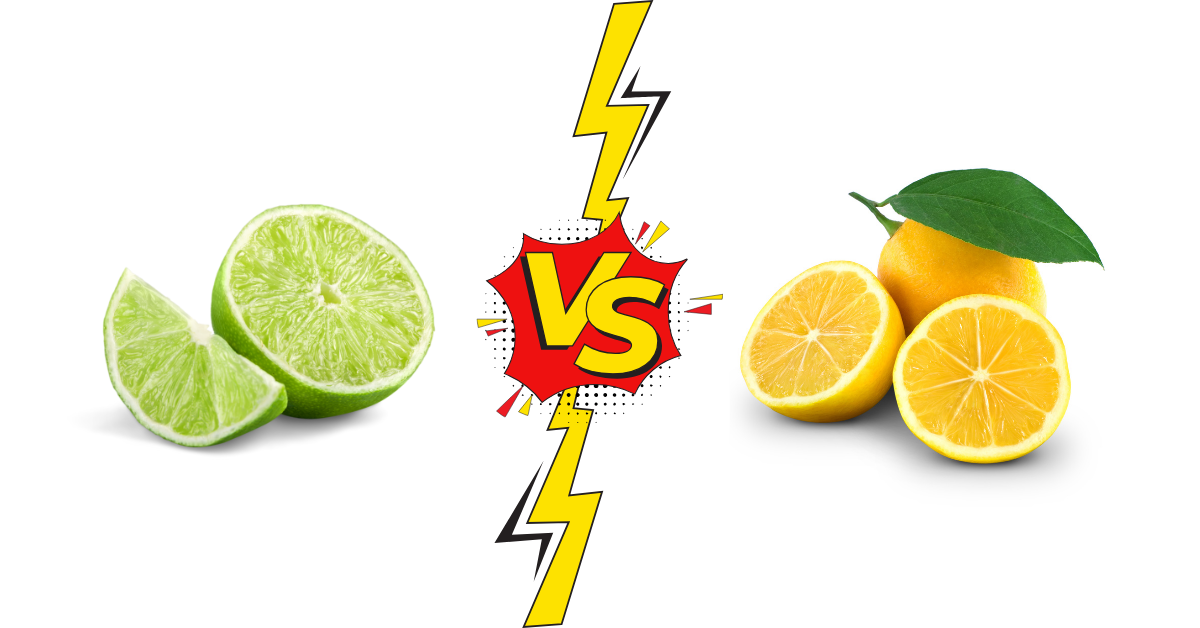
Both lemons and limes are tart, but limes generally pack a more intense sour punch.
The Battle of Citrus: An Overview
Citrus fruits have a unique way of capturing our senses. The vibrant colors, the refreshing scents, and the tantalizing flavors make them irresistible. Among these fruits, lemons and limes often find themselves in the spotlight for their sourness. Both have their own distinct characteristics that set them apart, yet they share a commonality that raises an intriguing question: What Is More Sour Lemon Or Lime? This question isn’t merely about taste; it delves into the science behind acidity, flavor profiles, and culinary uses.
Lemons are typically bright yellow with a juicy flesh that bursts with flavor. Their zest is often used in baking and cooking to add brightness to dishes. Limes, on the other hand, are usually smaller and green with a slightly more intense flavor. The two fruits are staples in kitchens around the world, but how do they compare when it comes to sourness?
The Science of Sourness
Acidity is measured by pH—lower numbers mean a stronger sour bite. Lemon juice routinely falls between 2.0 and 3.0, while lime juice clusters a hair lower at 2.0 – 2.4.
Two organic acids dominate: citric acid and ascorbic acid (vitamin C). Contrary to popular lore, lemons usually edge out limes in citric-acid content (≈ 5–6 % vs 4–5 % of juice by weight). That small chemical gap—and lime’s perfumey essential-oil mix—explains why many tasters still perceive limes as the “sharper” fruit even when lab numbers say otherwise.
Bottom line: both fruits are powerfully acidic, but neither monopolizes sourness; your palate will decide.
A Closer Look at Flavor Profiles
Flavor isn’t just about sourness; it’s also about complexity. Lemons offer a bright tartness with subtle floral notes that can enhance both sweet and savory dishes alike. Their zest adds aromatic qualities that elevate recipes from simple to extraordinary. Limes present a sharper tang with earthy undertones and can be more bitter than their yellow counterparts.
In culinary applications, lemons are often used in desserts like lemon meringue pie or lemon bars due to their vibrant flavor profile. Limes shine in savory dishes like guacamole or ceviche, where their acidity cuts through rich flavors beautifully. Understanding these nuances helps clarify why one might prefer one over the other based on personal taste.
Table: Nutritional Comparison of Lemons and Limes
| Nutrient | Lemons (per 100 g) | Limes (per 100 g) |
|---|---|---|
| Calories | 29 | 30 |
| Total Fat | 0.3 g | 0.2 g |
| Sodium | 2 mg | 1 mg |
| Total Carbohydrates | 9 g | 11 g |
| Sugars | 2.5 g | 1.7 g |
| Vitamin C | 53 mg (59 % DV) | 29 mg (32 % DV) |
This table illustrates not just how similar these two fruits are nutritionally but also highlights some differences worth noting. While both provide vitamin C—an essential nutrient—lemons come out ahead in terms of quantity per serving.
Additional Nutritional Gems You Might Be Missing
Before we dive back into flavour, here’s a quick-scan chart of micronutrients and protective compounds that rarely make the nutrition label yet matter every day.
Micronutrient Highlights (per 100 g, raw)
| Nutrient | Lemons | Limes |
|---|---|---|
| Potassium (mg) | 138 – supports fluid balance & nerve signals | 102 – a heart-friendly boost in tiny fruit |
| Folate (µg) | 11 – DNA repair & healthy pregnancy | 8 – still useful for cell turnover |
| Calcium (mg) | 26 – trace bone support | 33 – slightly higher for lime lovers |
| Dietary Fibre (g) | 2.8 – mostly pectin for gentle gut health | 3.0 – just edges lemon, aids satiety |
Potassium: The Quiet Electrolyte
A single squeezed lemon delivers about 50 mg of potassium—handy if you’re cutting processed-food sodium. Limes trail but still offer meaningful electrolyte top-ups in tropical drinks or post-workout agua fresca.
Folate for Cell Renewal
Pregnancy, wound healing, even mood regulation hinge on folate. Citrus isn’t spinach-level rich, yet fresh lemon zest in a salad or a lime-heavy salsa layers in micro-bursts of this B-vitamin without extra calories.
Flavonoids: Tiny Molecules, Big Pay-off
Lemon peel concentrates hesperidin and diosmin, compounds studied for capillary strength and antioxidant punch. Lime zest skews toward naringenin, linked to mild anti-inflammatory benefits. Scrape the coloured rind (avoid the bitter pith) to capture these oils in vinaigrettes or desserts.
Selecting, Storing & Prepping Citrus Like a Pro
Choosing Champions at the Market
- Heft test: Pick fruit that feels heavy for its size—the surest sign of abundant juice.
- Skin clues: Fine-pored, glossy rinds signal peak oils; rough or deeply dimpled surfaces usually mean a thicker pith.
Storage Hacks
- Counter for up to five days if you’ll use them fast. Otherwise tuck into the fridge crisper in a loose-fitting mesh bag; humidity slows moisture loss, keeping lemons vibrant for three weeks and limes for roughly two before flavour dulls.
Max-Yield Juicing
Roll fruit firmly under your palm to rupture juice vesicles, microwave ten seconds (optional), then cut length-wise for about 15 % more yield. Freeze extra juice in ice-cube trays—each cube ≈ 1 Tbsp, perfect for portion control.
Zero-Waste Bonus
Dry leftover zest at low oven heat (80 °C / 175 °F) for 30 minutes, blitz with sea salt, and you’ve got a tangy finishing salt that brightens roasted veg or popcorn. The peels supply more fibre and antioxidants than the juice itself.
Culinary Uses: Where Do They Shine?
In culinary landscapes around the world, lemons and limes hold significant roles but shine in different areas due to their unique flavors. Lemons can brighten up any dish with their zest or juice; they’re essential for making lemonade or adding zing to seafood dishes like grilled shrimp or fish tacos.
On the flip side, limes are indispensable in Mexican cuisine—think tacos al pastor topped with fresh lime juice or classic margaritas served over ice on a hot summer day. They bring an edge that complements spicy foods beautifully.
Moreover, cocktails often feature one or both of these citrus fruits prominently; mojitos rely heavily on lime for its refreshing qualities while lemon juice finds its way into whiskey sours or even gin cocktails like Tom Collins.
The Verdict: What Is More Sour Lemon Or Lime?
After diving deep into aspects such as acidity levels, flavor profiles, culinary applications, and cultural significance—it becomes clear that while both lemons and limes have their merits—the question still looms large: What Is More Sour Lemon Or Lime?
Based on scientific data regarding pH levels combined with subjective taste experiences—limes generally emerge as having a sharper perceived sourness compared to lemons, likely due to their slightly lower pH and more assertive aromatic compounds, even though lemons often carry a touch more citric acid by weight.
However! It’s essential not to overlook personal preference here; some might argue that lemon’s unique flavor profile brings forth an enjoyable tartness that resonates better than lime’s intensity does.
At the end of the day though—whether one prefers lemon over lime or vice versa—it all comes down to individual taste buds dancing joyfully at different notes played by each fruit!
Culinary Tips for Using Lemons and Limes
When it comes down to using lemons and limes in everyday cooking or baking—they each bring something special! Here are some practical tips I’ve picked up along my journey:
- Zest Wisely: Always zest your citrus before juicing! It captures those aromatic oils which enhance flavors tremendously.
- Juice Fresh: Freshly squeezed juice packs much more flavor than bottled varieties—plus there’s something satisfying about squeezing your own!
- Pairing Flavors: Both fruits pair beautifully with herbs like basil or mint—experimenting can lead you down delightful paths!
- Preservation: If you find yourself overwhelmed by an abundance of citrus—consider making homemade lemon/lime curd! It’s delicious spread on toast or used as cake filling!
These tips help maximize enjoyment from these wonderful fruits while also encouraging exploration beyond just standard uses!
Key Takeaways: Sourness of Lemon and Lime
➤ Limes are generally more sour: Limes have a lower pH, indicating higher acidity.
➤ Culinary uses differ: Lemons excel in desserts, while limes enhance savory dishes.
➤ Flavor profiles vary: Lemons offer floral notes; limes provide a sharper tang.
➤ Nutritional differences: Lemons contain more vitamin C per serving than limes.
➤ Cultural significance: Both fruits symbolize prosperity and health across cultures.
Frequently Asked Questions: What Is More Sour Lemon Or Lime?
What factors contribute to the sourness of lemons and limes?
The sourness of lemons and limes primarily stems from their acidity levels, measured by pH. Lemons typically range from 2 to 3, while limes hover between 2 and 2.4, making both highly acidic—limes slightly more so on average. Additionally, lemons generally contain a touch more citric acid by weight, whereas lime essential-oil compounds amplify perceived sharpness.
How do culinary uses differ for lemons and limes?
Lemons shine in desserts such as lemon meringue pie and lemon bars, where their bright tartness balances sweetness. Limes excel in savory fare—think guacamole or ceviche—where their acidity cuts through rich flavors. In beverages, lemons headline lemonade, while limes rule cocktails like margaritas.
Are there any health benefits associated with consuming lemons and limes?
Absolutely. Both fruits deliver vitamin C (about 53 mg per 100 g in lemons, 29 mg in limes), supporting immune function, skin health, and antioxidant defense. Their acids may aid digestion by stimulating digestive juices, and their low-calorie profile lets you add flavor without extra energy intake.
Can you substitute one for the other in recipes?
You can—just mind the flavor differences. Limes provide a sharper tang with earthy undertones, while lemons are slightly sweeter and more floral. Adjust quantities to taste, but for dishes that hinge on a fruit’s unique aroma, stick with the specified citrus.
The Final Word on Citrus Showdown!
So here we stand at the end of our exploration into this delightful debate surrounding sourness between lemons and limes! Reflecting back upon everything discussed—from scientific analysis right through cultural implications—it seems clear enough now why folks might wonder “What Is More Sour Lemon Or Lime?”
While there’s no definitive answer since taste varies so widely among individuals—limes tend toward being perceived as more intensely sour overall thanks to their lower pH and bold aromatics, even though lemons may edge them slightly in total citric-acid content!
Ultimately though—it’s all about finding joy within whatever fruity delights resonate most strongly with personal preferences! Whether it be zesty lemon cakes or tangy lime margaritas—the world certainly benefits from having both these marvelous citrus gems around!
So here’s raising a glass filled with either lemonade or mojito celebrating life’s little pleasures brought forth by nature’s bounty! Cheers!