
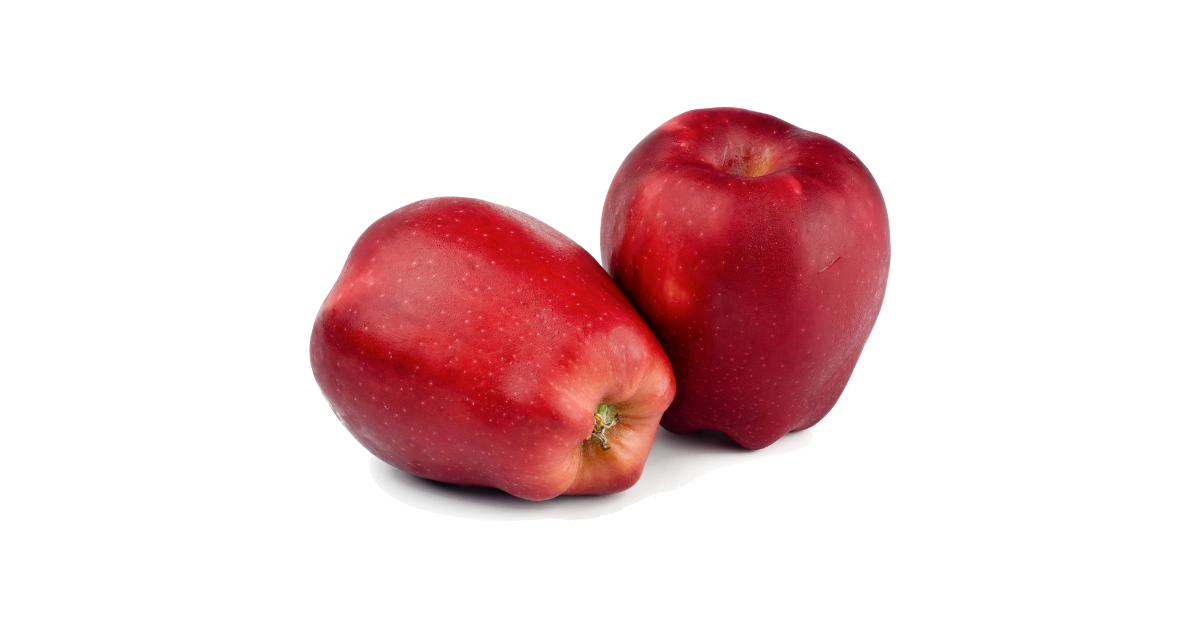
Eating two apples daily can be beneficial, but moderation is key to avoid excessive sugar and fiber intake.
Eating apples is a popular habit for many, often touted as a healthy choice. The phrase “an apple a day keeps the doctor away” has been ingrained in our culture, so it’s natural to wonder: Is 2 apples a day too much? This question delves into the realms of nutrition, health benefits, and potential downsides. Apples are packed with vitamins, minerals, and fiber, but like anything else, they come with their own set of considerations.
The Nutritional Profile of Apples
A medium-sized apple (approximately 182 grams) typically contains about 95 calories, 25 grams of carbohydrates, and 4 grams of dietary fiber. Apples are low in fat and contain no cholesterol. Here’s a breakdown of their nutritional components:
| Nutrient | Amount per Medium Apple (182g) |
|---|---|
| Calories | 95 |
| Carbohydrates | 25g |
| Fiber | 4g |
| Sugar | 19g |
| Vitamin C | 14% of the Daily Value (DV) |
| Potassium | 6% of DV |
| Vitamin K | 5% of DV |
| Water Content | 86% |
This table illustrates that apples are not just tasty snacks; they are also nutrient-dense. The high water content helps with hydration, while the fiber aids digestion.
The Health Benefits of Apples
Packed with Antioxidants
One significant advantage of consuming apples is their high antioxidant content. These antioxidants help combat oxidative stress in the body, which is linked to various chronic diseases. Quercetin, catechin, and chlorogenic acid are among the potent antioxidants found in apples.
Research suggests that these compounds may reduce inflammation and lower the risk of conditions like heart disease and diabetes. Eating two apples daily could enhance these protective effects due to increased antioxidant intake.
Aiding Digestion and Weight Management
The fiber found in apples plays a crucial role in digestive health. Soluble fiber helps regulate bowel movements by absorbing water and forming a gel-like substance in the gut. This can prevent constipation and promote regularity.
Furthermore, fiber contributes to feelings of fullness. By eating two apples throughout the day, one might feel satisfied longer, potentially reducing overall calorie consumption. This can be particularly beneficial for those looking to manage their weight.
Heart Health Benefits
Numerous studies indicate that regular apple consumption may improve heart health. The soluble fiber in apples can help lower cholesterol levels by binding to bile acids in the digestive system. This process encourages the body to use cholesterol for bile production instead of allowing it to circulate freely.
Moreover, apples contain potassium, which helps regulate blood pressure levels. Maintaining healthy blood pressure is vital for reducing the risk of heart disease and stroke.
Comparing Apple Varieties: Which One Packs the Most Nutrients?
There are numerous apple varieties to choose from, and each offers unique benefits. Some of the most popular varieties include:
| Apple Variety | Antioxidants | Fiber Content |
|---|---|---|
| Red Delicious | High in anthocyanins | 3.5g per medium apple |
| Granny Smith | Rich in flavonoids | 4g per medium apple |
| Gala | Moderate antioxidants | 3.8g per medium apple |
| Honeycrisp | High in quercetin | 4g per medium apple |
Each variety of apple has distinct flavors and health benefits. Whether you enjoy the tartness of Granny Smith or the sweetness of Gala, you can enjoy the nutritional benefits of apples with different flavor profiles.
Incorporating Apples into Your Diet: Creative Ideas
Incorporating two apples into your daily diet doesn’t have to be monotonous! There are countless ways to enjoy this delicious fruit while reaping its benefits:
- Sliced with Nut Butter: Pairing apple slices with almond or peanut butter creates a satisfying snack rich in protein and healthy fats while enhancing flavor and texture contrast.
- Additions to Salads: Chopped apples add crunch and sweetness when tossed into salads—mixing well with greens like spinach or arugula along with nuts or cheese creates delightful combinations.
- Baking Delights: Baking with apples opens up endless possibilities! From muffins to crumbles or even savory dishes like pork chops stuffed with diced apples—these recipes highlight versatility while keeping meals exciting.
Understanding the Glycemic Index of Apples
Apples have a low to moderate glycemic index (GI) score, ranging from 30 to 40. This means that they release sugar into the bloodstream gradually, making them a good choice for individuals managing blood sugar levels. The GI of apples depends on the variety, ripeness, and how they are prepared. For example, raw apples have a lower GI than apples used in baked goods.
Incorporating apples into your diet can offer a steady source of energy without causing spikes in blood sugar, making them a suitable option for those with diabetes or anyone seeking to maintain stable energy levels.
The Potential Downsides: Is 2 Apples A Day Too Much?
While there are numerous benefits associated with eating apples, moderation remains essential. Consuming two apples daily may not be suitable for everyone due to several factors.
Sugar Content Considerations
Apples do contain natural sugars—approximately 19 grams per medium apple. For those monitoring their sugar intake due to diabetes or other health conditions, consuming two apples could contribute significantly to daily sugar limits.
It’s crucial to consider total carbohydrate intake from all sources throughout the day. Balancing fruit consumption with other food groups ensures that sugar levels remain stable without compromising overall health.
Fiber Overload Risks
Another consideration revolves around fiber intake. While fiber is beneficial for digestion, too much can lead to gastrointestinal discomfort such as bloating or gas. The recommended daily fiber intake is about 25 grams for women and 38 grams for men.
Eating two apples provides around 8 grams of fiber, which constitutes about 22% of the recommended daily intake for women and 21% for men. This amount is generally manageable within a balanced diet, provided other fiber sources are considered.
Nutritional Comparison of Different Apple Varieties
| Apple Variety | Calories | Fiber Content |
|---|---|---|
| Red Delicious | 95 | 4g |
| Granny Smith | 80 | 4g |
| Gala | 90 | 3.5g |
| Honeycrisp | 100 | 4g |
This table allows you to compare the calorie and fiber content of various apple varieties. While the difference is minimal, it’s helpful to know what you’re consuming, especially if you are managing your calorie or fiber intake.
Key Takeaways
-
Apples are nutritious: A medium-sized apple contains around 95 calories, 25 grams of carbohydrates, 4 grams of fiber, and 19 grams of sugar, making them a great source of essential nutrients.
-
Health benefits: Regular consumption of apples may help improve heart health, aid digestion, and support weight management due to their high fiber and antioxidant content.
-
Variety matters: Different apple varieties offer slightly different nutritional benefits, with some providing more fiber or antioxidants than others.
-
Moderation is key: While apples offer numerous health benefits, consuming too many in a day could lead to excess sugar and fiber intake, which may not be suitable for everyone.
-
Creative ways to enjoy apples: Apples can be enjoyed in various ways, such as paired with nut butter, added to salads, or baked in healthy desserts.
-
Glycemic index: Apples have a low to moderate glycemic index, making them a good option for those managing blood sugar levels.
Conclusion: Is 2 Apples A Day Too Much?
Ultimately, whether eating two apples daily is too much depends on individual dietary needs and lifestyle choices. For many people looking for nutritious snacks packed full of vitamins and minerals without excessive calories—two servings could fit seamlessly into their routine.
However, balancing fruit consumption against sugar limits and ensuring adequate dietary variety remains essential for maintaining optimal health over time.
In conclusion: Is 2 Apples A Day Too Much? It’s likely not if integrated thoughtfully into an overall balanced diet rich in diverse nutrients from various sources! Embracing this approach allows individuals not only to enjoy their favorite fruits but also support long-term wellness goals effectively without compromising enjoyment along the way!