
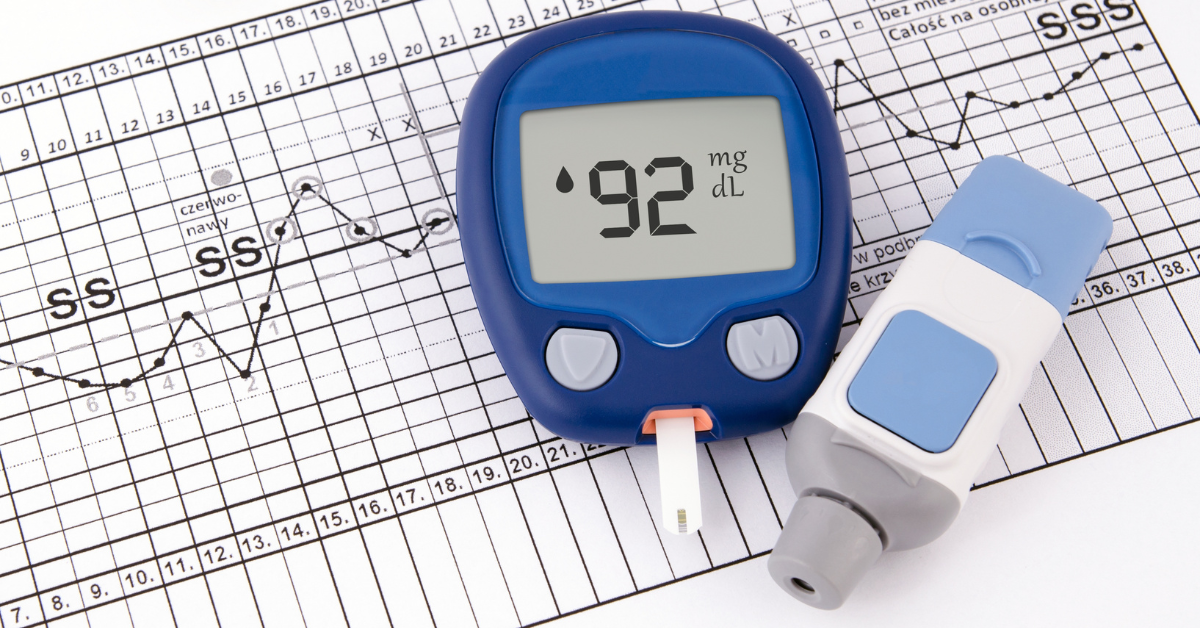
Failing your glucose test during pregnancy means you may need further testing and lifestyle adjustments to ensure a healthy pregnancy.
Understanding the Glucose Test
The glucose test is a routine screening procedure during pregnancy, typically performed between the 24th and 28th weeks. It helps identify gestational diabetes, a condition that can pose risks to both mother and baby if left unmanaged. The test usually involves drinking a sugary solution followed by measuring blood sugar levels after an hour. If your blood sugar levels exceed the normal range, it’s considered a “failed” test.
There are two types of glucose tests: the one-hour glucose challenge test and the three-hour oral glucose tolerance test (OGTT). The one-hour test is often the first step. If you fail this initial screening, your healthcare provider will likely recommend the OGTT for a more comprehensive evaluation.
The Importance of Early Detection
Early detection of gestational diabetes is crucial. This condition can lead to complications such as high birth weight, preterm birth, and an increased risk of developing type 2 diabetes later in life for both mother and child. Understanding your body’s response to sugar during pregnancy enables healthcare providers to implement necessary interventions early on.
What Happens After Failing the Test?
- Follow-Up Testing: Your doctor will likely schedule you for a three-hour OGTT. This more detailed test involves fasting overnight before consuming a larger amount of glucose solution. Blood samples are taken at intervals afterward to monitor how your body processes sugar.
- Monitoring Symptoms: During this time, be vigilant about any symptoms that may arise, such as excessive thirst, frequent urination, fatigue, or blurred vision. These can be signs of gestational diabetes.
- Dietary Adjustments: Regardless of the outcome of your follow-up tests, it’s beneficial to start adopting healthier eating habits now. Focus on balanced meals rich in whole grains, lean proteins, fruits, vegetables, and healthy fats.
- Consulting with Specialists: If diagnosed with gestational diabetes after further testing, you may work with a dietitian or certified diabetes educator who specializes in managing blood sugar levels during pregnancy.
Preparing for Your Follow-Up Test
Fasting: You’ll need to fast for at least eight hours before the test.
Hydration: Drink plenty of water but avoid sugary beverages.
Medications: Inform your healthcare provider about any medications or supplements you are taking.
Being prepared can help ensure accurate results and ease any anxiety surrounding the testing process.
Daily Carb Guide for Gestational Diabetes
| Meal/snack time | Target carb range (g) | Quick GD-friendly ideas |
|---|---|---|
| Breakfast (within 1 hr of waking) | 30 – 45 | Veggie omelette + ½ whole-grain roti • Greek yogurt + berries & chia |
| Mid-morning snack | ≤ 15 | Nuts & a small apple • 2 rye crispbreads + cottage cheese |
| Lunch | 45 – 60 | ½-cup brown-rice bowl with lentils & sautéed greens |
| Mid-afternoon snack | ≤ 15 | Hummus & carrot sticks • A boiled egg |
| Dinner | 45 – 60 | Grilled fish, ½-cup quinoa & roasted non-starchy veg |
| Bedtime snack (if fasting BG rises) | 15 – 20 | Peanut-butter banana mini-wrap • Unsweetened soy milk |
Understanding Gestational Diabetes
Gestational diabetes occurs when your body cannot produce enough insulin during pregnancy to manage blood sugar levels effectively. This can lead to elevated blood sugar levels that may affect both mother and fetus.
While the exact cause isn’t fully understood, several factors increase risk:
- Obesity: Being overweight before pregnancy increases risk.
- Family History: A family history of diabetes can predispose you.
- Age: Contemporary guidelines flag women over 35 years as higher-risk, though some providers still screen more aggressively from age 25.
- Ethnicity: Certain ethnicities have higher rates of gestational diabetes.
Managing Gestational Diabetes
If diagnosed with gestational diabetes after failing your glucose test and subsequent testing confirms it:
- Monitoring Blood Sugar Levels: Regularly checking your blood sugar helps track how well you’re managing the condition.
- Dietary Changes: Focus on low-glycemic foods that help maintain stable blood sugar levels:
- Whole grains
- Non-starchy vegetables
- Lean proteins
- Healthy fats
- Physical Activity: Regular exercise can help lower blood sugar levels and improve insulin sensitivity.
- Insulin Therapy: In some cases, lifestyle changes alone aren’t enough; insulin injections or oral medication may be necessary.
- Regular Check-Ups: Frequent visits with your healthcare provider will help monitor both maternal and fetal health throughout your pregnancy.
Fine-Tuning Daily Life After a Positive OGTT
Blood-Sugar Tech You Can Actually Use
Finger-stick strips work, but ask your provider if a 14-day flash glucose monitor makes sense. It lets you scan a small arm sensor as often as you like, revealing hidden spikes after seemingly innocent meals. Real-time feedback often tightens fasting and post-meal numbers within two weeks—sometimes postponing or avoiding the need for insulin.
Smart Meal Timing & Pairing
- The 10-minute rule: Finish any higher-carb item within ten minutes of a lean protein or healthy-fat bite to slow gastric emptying.
- The 2-hour walk-down: A relaxed 10- to 15-minute stroll taken one to two hours after eating can shave 20-30 mg/dL off your post-meal peak.
- No-fail plate template: ½ non-starchy veg | ¼ high-quality protein | ¼ low-GI starch.
When Lifestyle Isn’t Enough
Roughly one in four women still needs medication. First-line is basal-bolus insulin—safe for baby because it doesn’t cross the placenta. Oral options (metformin, glyburide) are used off-label in some settings after a thorough risk-benefit discussion.
Looking Beyond Delivery Day
Post-partum Glucose Road-Map
- 4-12 weeks: 75-g two-hour OGTT or fasting plasma glucose.
- Annually: Fasting plasma glucose or HbA1c if early check is normal.
- Every three years for at least a decade if all prior results remain normal.
Breastfeeding as Metabolic Medicine
Exclusive lactation for even two months can halve a mother’s odds of type 2 diabetes within the next two years, thanks to improved insulin sensitivity and faster visceral-fat loss. Encourage frequent feeds, stay hydrated, and keep a small protein-rich snack nearby to head off hypoglycaemia.
Future-Pregnancy Prep
A previous gestational-diabetes diagnosis carries about a 30 % recurrence risk. Maintaining a healthy BMI, spacing pregnancies at least 18 months, and continuing moderate exercise can cut that risk in half. Early first-trimester glucose screening is non-negotiable next time around.
Nutritional Guidelines for Managing Blood Sugar
Eating well is vital when managing gestational diabetes. Below is a table outlining some recommended foods along with their glycemic index (GI) values:
| Food Item | Glycemic Index (GI) | Serving Size |
|---|---|---|
| Whole grain bread | 50 | 1 slice |
| Brown rice | 55 | ½ cup cooked |
| Lentils | 21 | ½ cup cooked |
| Quinoa | 53 | ½ cup cooked |
| Baked potato (with skin) | 95 | 1 medium potato |
| Sweet potato (boiled) | 44 | 1 medium potato |
Note: Foods with a lower GI are preferable as they result in slower rises in blood sugar. Incorporating these foods into your diet while avoiding high-GI options can significantly impact how well you manage gestational diabetes.
The Role of Exercise in Management
Exercise plays an essential role in managing gestational diabetes effectively:
- Types of Exercise: Aim for moderate activities like walking, swimming, or prenatal yoga.
- Frequency: Try to engage in physical activity most days of the week.
- Consultation Required: Always consult with your healthcare provider before starting any new exercise program during pregnancy.
Physical activity not only helps regulate blood sugar but also promotes overall well-being during pregnancy.
The Emotional Aspect of Diagnosis
Receiving a diagnosis like gestational diabetes can be overwhelming emotionally as well as physically. It’s normal to feel anxious or concerned about how this may affect your pregnancy and baby’s health.
Consider these strategies for coping:
- Seek Support: Talk openly with friends or family members who have experience with gestational diabetes or join support groups.
- Educate Yourself: Knowledge is power; understanding what lies ahead allows you to feel more in control.
- Mindfulness Practices: Techniques such as meditation or prenatal yoga can help alleviate stress and promote emotional balance during this challenging time.
- Professional Help if Needed: Don’t hesitate to reach out to a mental-health professional if feelings become overwhelming; they can provide coping strategies tailored specifically for you.
The Importance of Communication with Healthcare Providers
Maintaining open lines of communication with your healthcare team is vital throughout this journey:
- Ask questions about anything unclear regarding dietary guidelines or monitoring techniques.
- Discuss any concerns about symptoms or emotional well-being; they’re there to support you through this process.
- Regularly update them about any changes in symptoms or lifestyle adjustments you’ve made since diagnosis.
This proactive approach fosters trust and ensures you’re receiving personalized care tailored specifically to meet both your and your baby’s needs effectively.
Key Takeaways: I Failed My Glucose Test While Pregnant – Now What?
➤ Understand the implications: Failing the test may indicate gestational diabetes.
➤ Consult your doctor: Discuss next steps and management options.
➤ Monitor your diet: Focus on balanced meals and healthy snacks.
➤ Stay active: Regular exercise can help manage blood sugar levels.
➤ Follow-up testing: Additional tests may be necessary for diagnosis.
Frequently Asked Questions
I Failed My Glucose Test While Pregnant – What Should I Do Next?
If you fail your glucose test while pregnant, don’t worry. Your healthcare provider will likely recommend a follow-up test called the three-hour oral glucose tolerance test (OGTT) to gather more information about your blood sugar levels. This test involves fasting overnight and consuming a larger glucose solution, with blood samples taken at intervals to assess how your body processes sugar.
I Failed My Glucose Test While Pregnant – Will I Need to Change My Diet?
These changes can help manage blood sugar levels and promote a healthier pregnancy, regardless of the outcome of your follow-up tests.
I Failed My Glucose Test While Pregnant – What Are the Risks?
Failing your glucose test while pregnant may indicate gestational diabetes, which can pose risks such as high birth weight and preterm birth. It may also increase the risk of developing type 2 diabetes later in life for both you and your child. Early detection and management are crucial to minimize these risks and ensure a healthy pregnancy.
I Failed My Glucose Test While Pregnant – How Can I Monitor Symptoms?
After failing your glucose test while pregnant, it’s important to monitor for symptoms of gestational diabetes. Watch for excessive thirst, frequent urination, fatigue, or blurred vision. If you experience any of these symptoms, contact your healthcare provider for further evaluation and support.
I Failed My Glucose Test While Pregnant – Who Can Help Me?
If diagnosed with gestational diabetes after further testing, you may work with specialists such as a dietitian or certified diabetes educator. They can provide guidance on managing blood sugar levels during pregnancy. These professionals can help you navigate dietary changes and develop a plan that supports both your health and that of your baby.
Conclusion – I Failed My Glucose Test While Pregnant – Now What?
Finding out that you’ve failed your glucose test while pregnant doesn’t mean all hope is lost; instead, it opens up avenues for better management through lifestyle adjustments and medical support tailored just for you! Understanding what steps lie ahead—such as further testing options like OGTT—equips you with knowledge essential for navigating this phase effectively while ensuring both maternal health and fetal development remain priorities throughout!
Taking charge now by implementing dietary changes alongside regular check-ups allows proactive measures against complications associated with gestational diabetes down the road! Remember—you’re not alone on this journey; support systems exist at every turn ready and willing to assist whenever needed!