
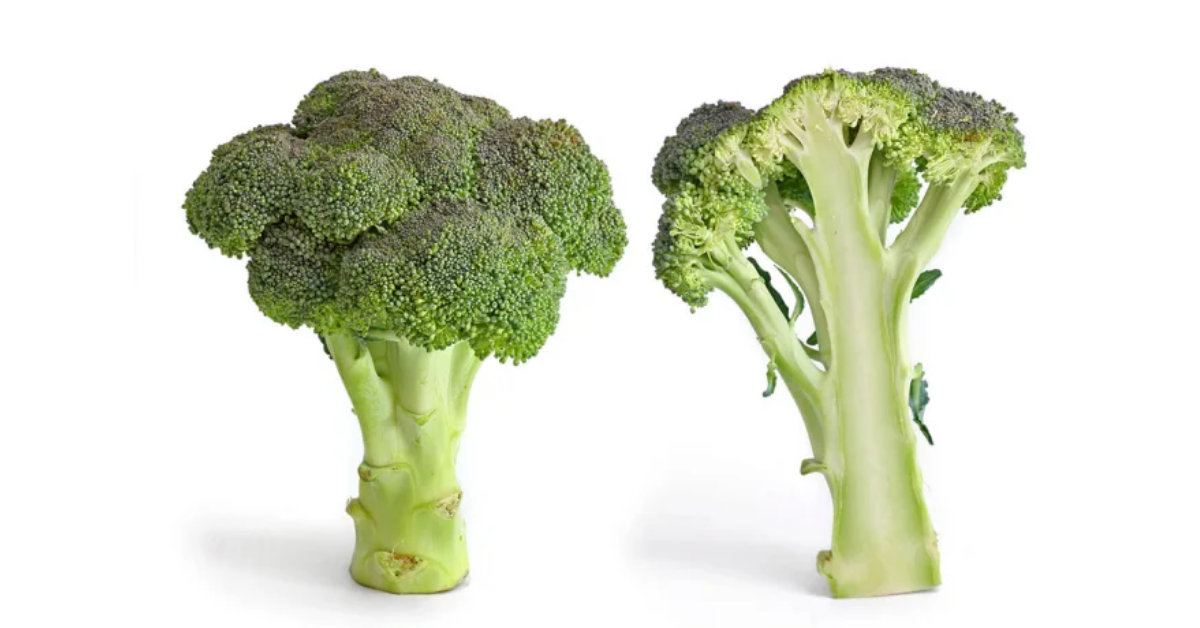
Eating cruciferous veggies can lead to gas, but there are ways to minimize discomfort.
The Crux of Cruciferous Vegetables
Cruciferous vegetables, like broccoli, cauliflower, and Brussels sprouts, are nutritional powerhouses. They’re packed with vitamins, minerals, fiber, and plant compounds that make them a valuable part of a balanced diet. However, they also contain certain carbohydrates and fibers that can lead to gas and bloating in some people. This happens because the human digestive system does not fully break down some fermentable carbohydrates found in these vegetables. The result? A gassy tummy that can be uncomfortable and embarrassing.
Despite this downside, I’ve always been a fan of these greens. Their health benefits far outweigh the occasional discomfort for many people. Plus, who can resist a good stir-fry or a hearty vegetable soup? The trick is figuring out how to enjoy them without ending up in a state of digestive distress.
The Science Behind the Gas
Understanding why cruciferous vegetables cause gas is crucial for anyone looking to enjoy them without discomfort. These veggies contain complex carbohydrates such as raffinose and other fermentable fibers, which our bodies may find challenging to digest completely. When they reach the large intestine, bacteria ferment these carbohydrates, producing gas as a byproduct.
The fiber content in cruciferous vegetables also plays a role. While fiber is essential for digestive health, too much at once can overwhelm the system, especially if someone is not used to eating high-fiber foods. So it’s not just about what you eat; it’s also about how much you eat at a time. Balancing intake is key, and Cleveland Clinic’s guidance on foods that cause bloating notes that raw vegetables can be tougher to digest and that cooking cruciferous vegetables may help limit bloating.
Strategies to Reduce Gas
There are several strategies that can help reduce gas when consuming cruciferous vegetables. One effective method is cooking them properly. Steaming, boiling, roasting, or sautéing these veggies can soften their fibers and make them easier to tolerate. I’ve found that lightly steaming broccoli or cauliflower makes them much easier on my stomach.
Another approach involves eating smaller portions. Instead of loading up on a big plate of mixed greens at dinner, I often opt for smaller servings throughout the week. This way, my body has an easier time digesting them without getting overwhelmed.
Cooking Techniques That Help
When it comes to cooking techniques, some methods shine brighter than others in reducing digestive discomfort from cruciferous vegetables. Here’s a look at some effective methods:
| Cooking Method | Effectiveness in Reducing Gas |
|---|---|
| Steaming | High – Softens fiber and often makes vegetables easier to digest. |
| Boiling | Moderate – Can reduce toughness, though some water-soluble nutrients may move into the cooking water. |
| Sautéing with Fats | Moderate to High – Adds flavor and may make cooked vegetables easier to tolerate than raw servings. |
| Raw Consumption | Low – Often leads to more gas for sensitive people because the fibers stay firmer. |
From my experience, sautéing cruciferous vegetables with healthy fats like olive oil not only enhances flavor but also makes the final dish feel easier to eat. It is not that fat magically removes gas-causing compounds, but cooked vegetables served with a little oil can be more satisfying, less harsh in texture, and easier to pair with a balanced meal.
Cruciferous Comfort Cheats — Quick-Look Table
| Prep / Aid | How It Works | Best For |
|---|---|---|
| Broccoli sprouts | Young sprouts can be rich in beneficial plant compounds and may feel lighter than a large serving of mature raw broccoli for some people. | Salads & smoothies where raw crunch is desired. |
| Pressure-cooking | High steam softens tough cell walls quickly, making cabbage, cauliflower, and broccoli more tender. | Hearty soups, meal-prep batches. |
| Blanch-and-shock | A short boil followed by an ice bath softens texture, brightens color, and can make greens easier to use in quick meals. | Stir-fries that need bright greens. |
| Alpha-galactosidase tablet | This enzyme may help break down certain gas-forming carbohydrates before they ferment in the colon. | Office lunches when cooking tweaks aren’t possible. |
| Kimchi/Sauerkraut side | Fermented cabbage products may be easier for some people to tolerate, though they can still bother sensitive stomachs. | Sandwich toppers or grain bowls. |
| Caraway-fennel spice mix | Traditional carminative spices may help some people feel more comfortable after gassy meals. | Roasted Brussels sprouts, slaws. |
The Role of Pairing Foods
Pairing foods wisely can also make a difference in how we digest cruciferous vegetables. For instance, combining these veggies with ginger or turmeric may help some people feel more comfortable because these spices are often used in meals that are gentler and more warming to the stomach. They should not be treated as a guaranteed fix for gas, but they can make cruciferous vegetables more pleasant to eat.
I often whip up a stir-fry that includes ginger alongside my favorite cruciferous veggies—like bok choy or Brussels sprouts—and it works wonders for my tummy! It’s all about finding those perfect combinations that work well together while keeping discomfort at bay.
The Importance of Hydration
Staying hydrated plays an essential role in digestion as well. Drinking enough water helps the body move food through the digestive tract and supports overall bowel regularity. Hydration is especially important when consuming high-fiber foods like cruciferous vegetables.
I’ve noticed that when I’m well-hydrated, I feel less bloated after meals rich in these greens. It’s easy to forget about drinking enough water throughout the day, but making it a priority has made my digestive experience much more pleasant.
The Benefits of Fermentation
Fermentation is another technique worth exploring if one wants to enjoy cruciferous vegetables without the gassy aftermath. Fermented foods like kimchi or sauerkraut contain live or active cultures when unpasteurized, and the fermentation process can change the texture and carbohydrate profile of cabbage.
Incorporating fermented versions of these veggies into meals has been a game-changer for me! Not only do they taste fantastic, but they also seem easier for my stomach than a huge raw cabbage salad. Still, fermented foods can be salty or strong, so small servings are a smart place to start.
Beyond Heat: Pre-Prep Techniques that Really Work
Sprout, Soak, or Blanch First
Broccoli or radish sprouts can be a lighter way to enjoy cruciferous flavor without eating a large, dense portion of mature vegetables. They are also known for their beneficial plant compounds, but the exact amount can vary widely depending on the seed, growing conditions, and freshness. For chopped kale or cabbage, rinsing, massaging, or briefly blanching can soften texture and make the greens feel less harsh. A quick blanch followed by an ice bath keeps the leaves bright and tender without turning them mushy.
Pressure-Cooker Magic
Modern electric pressure cookers use super-heated steam to soften tough cell walls in minutes. This does not guarantee a completely gas-free meal, but it can make cauliflower, cabbage, and broccoli much more tender and easier for some people to tolerate. It is perfect for bulk-cooking cauliflower mash, cabbage wedges, or soup-ready vegetables.
Targeted Digestive Aids
Alpha-Galactosidase Enzymes
If you’re sensitive even after cooking, an over-the-counter alpha-galactosidase enzyme may help with gas from certain vegetables and legumes. Products such as Beano are designed to help break down some complex carbohydrates before they reach the colon. They do not work for everyone, and people with medical conditions, allergies, diabetes, galactosemia, pregnancy concerns, or regular medication use should ask a healthcare professional before relying on them.
Old-School Carminatives
Caraway and fennel are traditional spices used after heavy or gas-forming meals. They may not prevent gas completely, but many people find them soothing. Give roasted cabbage a quick toss with crushed seeds right before serving, or add a small pinch to slaws, soups, and warm vegetable bowls.
Low-FODMAP Serving Tricks
Portion size still rules. A low-FODMAP approach does not necessarily mean avoiding all cruciferous vegetables forever; it usually means paying closer attention to the exact vegetable part and serving size. For example, Monash University’s broccoli FODMAP guidance explains that broccoli and broccolini can fit into a low-FODMAP diet, but portions and the part of the vegetable used matter. Pair a modest serving with a starch such as quinoa or rice and a drizzle of olive oil to make the meal balanced, satisfying, and easier to tolerate.
Listening to Feedback from Your Gut
Keep a two-week “brassica log.” Note cooking method, portion size, and any belly feedback within six hours. Patterns emerge fast: some people tolerate a generous serving of pressure-cooked cauliflower yet bloat on raw arugula or cabbage slaw. Adjust, repeat, and enjoy the greens without social side-effects.
Gradual Introduction: A Smart Move
For anyone new to incorporating more cruciferous vegetables into their diet, gradual introduction is key. Starting with small amounts allows your digestive system time to adjust without overwhelming it all at once.
I remember when I first started eating more kale and broccoli; I went all-in and ended up feeling quite uncomfortable afterward! Now I slowly increase my intake over time while paying attention to how my body reacts—this approach has made all the difference for me.
The Impact of Cooking Time
Over-cooking brassicas mostly diminishes water-soluble nutrients such as vitamin C and several B-vitamins—it does not make the vegetables gassier. Longer heat can soften cell walls and partially reduce the tough texture that bothers some stomachs, so many people find very-tender broccoli or cabbage lighter on the gut. Aim for “tender-crisp”: vivid color, with a fork sliding in with gentle resistance. You’ll keep flavor, texture, and many minerals while avoiding the toughness of large raw portions.
The Power of Spices and Herbs
Adding spices and herbs can enhance flavor while possibly aiding comfort as well! For instance, caraway seeds or fennel seeds are often described as carminative spices, meaning they are traditionally used to help ease gas or support gas expulsion.
I often sprinkle some fennel seeds over roasted Brussels sprouts or incorporate caraway into salads featuring cabbage—it adds an unexpected twist while keeping things comfortable on my stomach!
Listening To Your Body’s Signals
Listening closely to your body is vital when figuring out how best to enjoy cruciferous vegetables without discomfort from excess gas production! Everyone’s digestive system reacts differently; what works for one person may not work for another!
Keeping track of which methods yield positive outcomes versus negative reactions has been invaluable—it enables me not only to learn about personal preferences but also to discover new recipes along the way!
Key Takeaways: Preventing Gas From Cruciferous Vegetables
➤ Cooking Methods Matter: Steaming, boiling, roasting, and sautéing can soften fibers and make cruciferous vegetables easier to tolerate.
➤ Portion Control: Smaller servings ease digestion and reduce gas discomfort.
➤ Hydration is Key: Drinking water supports digestion of high-fiber cruciferous veggies.
➤ Food Pairing Benefits: Ginger, turmeric, fennel, or caraway may make meals feel gentler for some people.
➤ Gradual Introduction: Start with small portions to let your gut adapt.
Frequently Asked Questions: How To Prevent Gas From Cruciferous Vegetables
What are cruciferous vegetables and why do they cause gas?
Cruciferous vegetables include broccoli, cauliflower, Brussels sprouts, cabbage, kale, bok choy, arugula, and similar greens. These vegetables are known for their health benefits but can also lead to gas due to their fiber and fermentable carbohydrates, including raffinose in some cases. These compounds are not always fully digested in the small intestine, so gut bacteria ferment them later and produce gas.
The fiber in these vegetables further complicates digestion. While fiber is essential for gut health, consuming too much at once can overwhelm the digestive system. Thus, understanding their composition helps in managing gas production effectively.
How can cooking methods reduce gas from cruciferous vegetables?
Certain cooking methods significantly impact how comfortable cruciferous vegetables feel after eating. Steaming is particularly useful because it softens the vegetable while preserving flavor and texture. Boiling can also help soften tough fibers, although some vitamins may move into the cooking water.
Sautéing these vegetables with healthy fats like olive oil enhances flavor and may make them easier to enjoy as part of a balanced meal. Avoiding large raw servings is advisable for sensitive people, as raw cruciferous vegetables often feel harder to digest.
Are there specific food pairings that help mitigate gas from cruciferous vegetables?
Certain food pairings can ease the overall meal experience when consuming cruciferous vegetables. For instance, incorporating ginger, turmeric, fennel, or caraway can make the dish warmer, more flavorful, and potentially more soothing for some people.
This means that adding spices or herbs that traditionally support digestive comfort can make your meals not only more flavorful but also more pleasant for digestion. Experiment with combinations to find what works best for you.
How does hydration influence the digestion of cruciferous vegetables?
Hydration plays a crucial role in effective digestion, especially with high-fiber foods like cruciferous vegetables. Drinking sufficient water supports normal bowel movement and helps your digestive system handle fiber more comfortably.
Adequate hydration may help reduce the heavy, backed-up feeling some people notice after meals rich in these greens. It’s essential to prioritize water intake throughout the day, particularly when consuming fibrous foods.
What strategies should be employed for gradually introducing cruciferous vegetables into a diet?
If you’re new to eating cruciferous vegetables, a gradual introduction is key to preventing gas and discomfort. Start with small portions to allow your digestive system time to adjust without being overwhelmed.
This method helps you monitor how your body reacts and adjust your intake accordingly. Over time, you can increase portion sizes while minimizing potential digestive issues associated with sudden increases in fiber intake.
Conclusion: Mastering Your Digestive Experience with Crucifers
Navigating life with cruciferous vegetables doesn’t have to mean enduring uncomfortable gas episodes! By employing techniques such as proper cooking methods, mindful pairings with other foods, hydration strategies, and gradual introduction practices—everyone can savor these nutrient-rich foods with less discomfort.
Cruciferous vegetables are not “bad” foods just because they can cause gas. They are simply high-fiber, nutrient-rich foods that may require the right preparation style and portion size. Some people do best with steamed broccoli, others tolerate fermented cabbage better, and some need to keep servings smaller while their gut adjusts.
Enjoy every bite while keeping things running smoothly below!
References & Sources
- Cleveland Clinic. “15 Foods That Cause Bloating.” Supports the claim that raw vegetables can be harder to digest and cooking cruciferous vegetables may help limit bloating.
- Monash University FODMAP. “Newly Tested and Retested Foods: Broccoli and Broccolini.” Supports the corrected low-FODMAP guidance that broccoli and broccolini can be included while paying attention to portions and vegetable parts.