
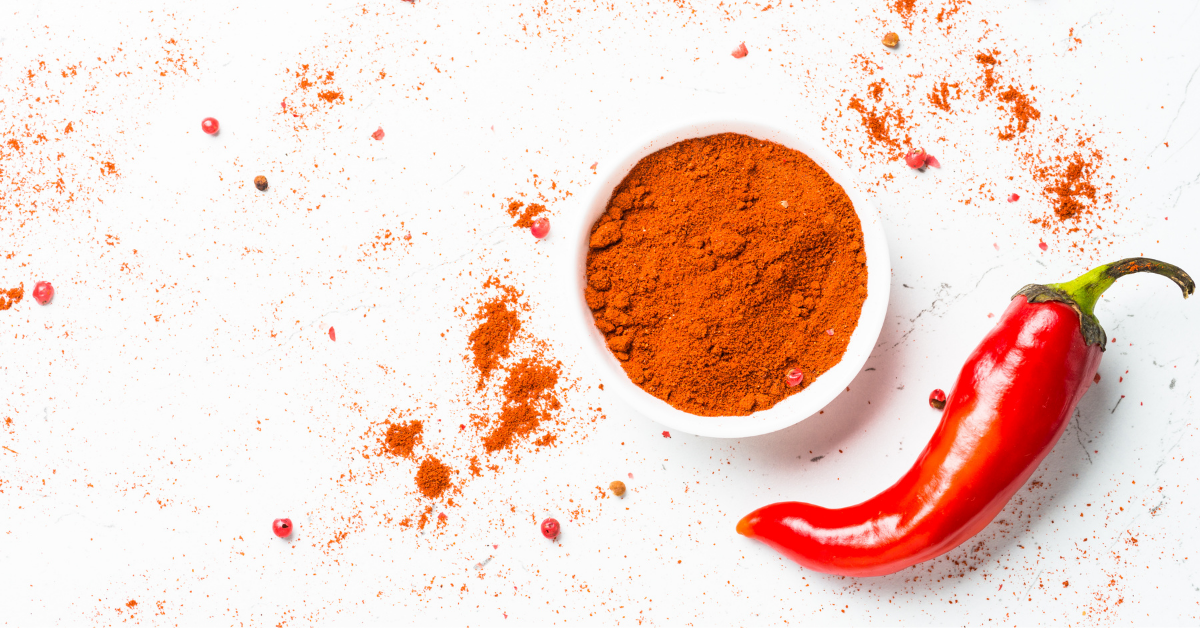
Cayenne pepper poultices can provide natural pain relief and promote healing.
The Power of Cayenne Pepper
Cayenne pepper isn’t just a spice that adds a kick to meals; it’s also a potent remedy in the world of natural healing. This fiery red powder, made from dried and ground cayenne chili peppers, has been used for centuries in various cultures for its medicinal properties. The active ingredient in cayenne pepper is capsaicin, which is known for its ability to reduce pain by desensitizing nerve receptors. When applied topically, it can help alleviate conditions like arthritis, muscle pain, and even headaches. The warmth it generates can soothe sore muscles and joints, making it a favorite among those seeking natural alternatives to over-the-counter medications.
Using cayenne pepper in a poultice form amplifies its benefits. A poultice combines the healing properties of cayenne with other ingredients to create a paste that can be applied directly to the skin. This method not only enhances absorption but also allows for targeted treatment of specific areas. It’s fascinating how something as simple as cayenne can be transformed into a powerful remedy.
Gathering Your Ingredients
Before diving into the process of how to make a cayenne pepper poultice, it’s essential to gather all necessary ingredients. The beauty of this remedy lies in its simplicity. Typically, you’ll need:
- Cayenne Pepper Powder: The star ingredient that provides the healing properties.
- A Base Ingredient: This could be water, olive oil, or coconut oil—each offering different benefits.
- Optional Additives: Ingredients like ginger powder or turmeric can enhance anti-inflammatory effects.
Having these items on hand makes the preparation process straightforward and quick. It’s always best to use organic cayenne pepper when possible, as this ensures you’re avoiding any unwanted chemicals or additives.
Fine-Tuning Your Ingredients
| Base Ingredient | Stand-Out Properties | Best For |
|---|---|---|
| Olive oil | Anti-inflammatory polyphenols; supports skin-barrier repair | Dry, inflamed joints |
| Coconut oil (virgin) | Antimicrobial and soothing medium-chain fats | Sensitive or infection-prone skin |
| Castor oil | Ricinoleic acid delivers deep analgesia and acts as a penetration enhancer | Stubborn muscle knots |
| Aloe-vera gel | Cooling polysaccharides accelerate wound healing and calm heat | Sun-heated or irritated areas |
Choosing the right carrier changes the whole experience. Olive oil gives a silky glide and a slow, steady warmth. Coconut oil starts solid, melts on contact, and adds a faint tropical scent—handy if you dislike the peppery aroma. Castor oil is thicker, almost syrupy, but it drives capsaicin deeper, so you can get away with a thinner layer. When skin feels fiery, cutting the mixture 50 : 50 with fresh aloe turns the burn into a pleasant tingle.
Step-by-Step Guide: How To Make A Cayenne Pepper Poultice
Creating a cayenne pepper poultice is an easy task that doesn’t require any special skills or equipment. Here’s how it’s done:
- Measure Your Ingredients: Start by measuring out about 1–2 tablespoons of cayenne pepper powder. If you’re using a base like olive oil or coconut oil, measure about 1 tablespoon.
- Mixing: In a small bowl, combine the cayenne pepper with your chosen base ingredient. If you’re using water, hot water can help activate the capsaicin better than cold water.
- Create a Paste: Stir the mixture until it forms a thick paste. If it’s too runny, add more cayenne; if it’s too thick, add more liquid.
- Optional Additives: If desired, mix in additional ingredients like ginger or turmeric for added benefits.
- Application: Using clean hands or a spatula, spread the paste onto a piece of cloth or gauze large enough to cover the affected area.
- Apply to Skin: Place the cloth on your skin and secure it with tape or an elastic bandage if necessary.
- Timing: Leave the poultice on for about 20–30 minutes; however, sensitivity varies from person to person—if you feel excessive burning or discomfort, remove it sooner.
- Rinse Off: After removing the poultice, rinse your skin with warm water and pat dry.
- Repeat as Needed: Depending on the condition being treated, this can be done daily or as needed.
This process is not only simple but also allows customization based on individual preferences and sensitivities.
Benefits of Using Cayenne Pepper Poultices
Cayenne pepper poultices come packed with numerous health benefits that make them stand out in natural remedies. One of their primary uses is pain relief; they’re often employed for conditions such as arthritis and muscle soreness due to their warming properties. Capsaicin helps block pain signals sent by nerves to the brain, offering significant relief from discomfort.
Moreover, these poultices may enhance blood circulation in the area where they’re applied. Improved circulation means better oxygenation and nutrient delivery to tissues—crucial factors for healing injuries or inflammation swiftly. The warmth generated by capsaicin can also help relax tight muscles and relieve tension headaches when applied to specific pressure points on the head and neck.
Another noteworthy benefit is their potential role in reducing inflammation. Chronic inflammation is at the root of many health issues today; thus, using natural anti-inflammatory agents like cayenne can support overall wellness and reduce reliance on pharmaceutical solutions.
Finally, making your own poultices at home fosters empowerment—taking control over personal health with accessible ingredients feels rewarding and fulfilling.
Poultice vs. Off-the-Shelf Capsaicin Creams
Over-the-counter creams (0.025 %–0.075 % capsaicin) are brilliant for everyday aches, yet they rely on alcohol and preservatives that can sting or dry the skin. A home poultice, by contrast, delivers whole-herb synergy—carotenoids, flavonoids, and trace minerals travel in with the capsaicin. Users often report a warmer, longer-lasting glow even though the absolute capsaicin dose is lower. If you crave clinical strength, nothing beats the 8 % prescription patch, but that requires a clinic visit and carries a one-hour application time.
After-Care & Frequency Tips
- Start small. Apply every other day for a week to let nerve endings adapt.
- Cleanse gently. Skip harsh soaps; use lukewarm water and a dab of mild cleanser to whisk away residual capsaicin without stripping oils.
- Moisturise. Follow with a thin layer of sunflower-seed oil if skin feels dry—it boosts hydration and calms lingering redness.
- Track response. If warmth fades too fast, add ¼ tsp more cayenne next batch. If burning lingers beyond 30 minutes, cut the pepper by half.
- Mind the gap. Give the skin 12 hours rest between applications; capsaicin desensitises nerve channels and they need time to reset.
Stick to these guardrails and you’ll enjoy the fiery friend, not fear it.
Precautions When Using Cayenne Poultices
While cayenne pepper poultices are generally safe for most people when used correctly, there are some precautions worth noting before diving into how to make a cayenne pepper poultice:
- Skin Sensitivity: Not everyone reacts well to capsaicin; some may experience irritation or burning sensations upon application even at low concentrations.
- Allergic Reactions: Although rare, allergic reactions are possible with cayenne pepper use; it’s wise to do a patch test before applying widely.
- Open Wounds: Avoid applying cayenne poultices directly onto broken skin or open wounds as this could exacerbate irritation.
- Consult Healthcare Providers: Those with existing medical conditions or who are pregnant should consult their healthcare provider before trying new remedies.
By keeping these precautions in mind and listening to one’s body during use, experiences remain positive while reaping all those wonderful benefits.
Enhancing Your Poultice Experience
There are ways to boost effectiveness when making and using cayenne pepper poultices beyond just following basic instructions on how to make a cayenne pepper poultice:
- Experiment With Ratios: Adjusting ratios of cayenne powder and base ingredients allows personalization according to one’s comfort level.
- Add Essential Oils: Incorporating essential oils like eucalyptus or lavender not only adds pleasant scents but also brings additional therapeutic effects.
- Heat It Up: For extra warmth (and thus enhanced absorption), consider warming your base ingredient slightly before mixing with cayenne powder.
- Stay Hydrated: Drinking plenty of water before and after applying helps flush toxins from the body while enhancing overall effectiveness.
These enhancements allow for greater customization while optimizing results based on individual needs or preferences.
Storage Tips for Left-Over Poultices
- Use within 24 hours if your blend is water-heavy (water encourages microbial growth).
- If the paste is oil-rich (olive, coconut, castor), refrigerate and finish within 48 hours; oils oxidise but inhibit most bacteria.
- For longer keeping, portion the paste into ice-cube trays, freeze, and thaw single cubes as needed. Label with the date so you never use an old batch.
- Always re-warm gently—lukewarm, never hot—before the next application to preserve capsaicin potency and avoid burns.
Key Takeaways: Cayenne Pepper Poultice
➤ Natural Pain Relief: Cayenne pepper poultices help reduce pain effectively.
➤ Simple Ingredients: Just cayenne, a base, and optional additives are needed.
➤ Easy Application: The poultice can be applied directly to the skin for relief.
➤ Improves Circulation: Enhances blood flow, aiding in quicker healing processes.
➤ Customizable Experience: Ratios, carriers, and additives can be tailored for personal comfort.
Frequently Asked Questions: How To Make A Cayenne Pepper Poultice
What is a cayenne pepper poultice?
A cayenne pepper poultice is a topical application made from cayenne pepper powder mixed with a base ingredient, such as water or oil. This mixture forms a paste that can be applied directly to the skin. It utilizes the healing properties of capsaicin for pain relief and inflammation reduction.
How does a cayenne pepper poultice work?
The active ingredient in cayenne pepper, capsaicin, works by desensitizing nerve receptors that transmit pain signals to the brain. When applied to the skin, it generates warmth and increases blood circulation, which aids in healing and reduces discomfort in targeted areas.
Can anyone use a cayenne pepper poultice?
While many people can safely use cayenne pepper poultices, those with sensitive skin or allergies should exercise caution. It’s advisable to conduct a patch test before widespread application. Individuals with specific medical conditions or pregnant women should consult healthcare providers prior to use.
How long should I leave a cayenne pepper poultice on?
A cayenne pepper poultice should typically be left on for about 20–30 minutes. However, sensitivity varies among individuals. If excessive burning or discomfort occurs, it’s best to remove the poultice sooner to avoid irritation or adverse reactions.
What are the benefits of using cayenne pepper poultices?
Cayenne pepper poultices offer several benefits including pain relief from conditions like arthritis and muscle soreness. They can enhance blood circulation, reduce inflammation, and promote healing in injured areas. Additionally, they provide a natural alternative to pharmaceutical pain relievers.
Conclusion: Embracing Natural Healing
Incorporating natural remedies into daily life opens up avenues toward holistic health solutions that resonate well beyond conventional methods alone. Learning how to make a cayenne pepper poultice empowers individuals seeking alternatives without relying solely on pharmaceuticals—a refreshing approach indeed!
Not only does this method provide relief from various ailments but also fosters deeper connections between mind, body, and spirit through self-care practices rooted in nature itself. Whether dealing with chronic pain issues or simply wanting an occasional soothing touch, embracing such holistic practices enriches life immensely!
So next time you’re considering pain-relief options, don’t overlook those fiery little peppers—they might just hold the key to newfound wellness pathways!