
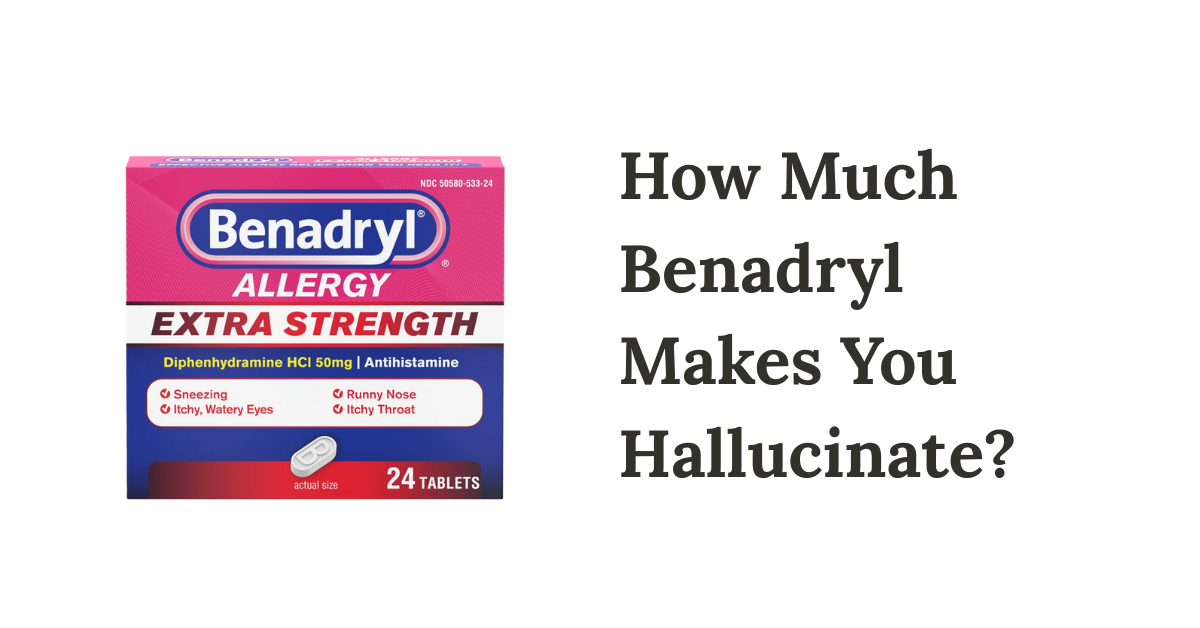
Benadryl can cause hallucinations, especially in high doses, due to its sedative and anticholinergic properties.
The Basics of Benadryl
Benadryl, known generically as diphenhydramine, is an antihistamine commonly used to relieve symptoms of allergy, hay fever, and the common cold. It works by blocking histamine receptors in the body, which helps reduce symptoms such as itching, runny nose, and sneezing. Additionally, Benadryl is often used as a sleep aid due to its sedative effects. However, while it’s widely available over the counter and considered safe for many people when used as directed, it has a darker side that deserves exploration.
Understanding Hallucinations
Hallucinations are perceptions that occur without an external stimulus. They can affect any of the senses—sight, sound, touch, taste, or smell—and can be incredibly vivid and distressing. The mechanisms behind hallucinations can vary significantly based on the underlying cause. In some cases, they arise from mental health conditions like schizophrenia or severe depression. In other instances, they can result from substance use or withdrawal.
The relationship between certain medications and hallucinations is particularly intriguing. Some drugs can induce hallucinations as a side effect or at high doses. This brings us to the important question: How much Benadryl makes you hallucinate?
Benadryl’s Mechanism of Action
To understand how Benadryl could lead to hallucinations, it’s crucial to grasp its pharmacological effects. Diphenhydramine primarily acts as an antagonist at H1 histamine receptors but also has anticholinergic properties. This means it blocks acetylcholine receptors in the brain and other parts of the body.
Comparative Anticholinergic Load Among Popular OTC Medications
| Common OTC Drug (Adult Daily Max) | Anticholinergic “Load”* | Hallucination / Delirium Risk |
|---|---|---|
| Diphenhydramine (Benadryl, 300 mg) | High – crosses BBB readily | Documented in overdose and high-dose misuse; risk rises sharply as total dose increases |
| Chlorpheniramine (Chlor-Trimeton, 24 mg) | Moderate | Less common, but possible with high doses or multiple interacting drugs |
| Dimenhydrinate (Dramamine, 400 mg) | High | Can produce anticholinergic toxicity at excessive doses, with effects broadly similar to other first-generation antihistamines |
| Doxylamine (Unisom, 50 mg) | High | High-dose misuse or overdose can cause delirium and marked sedation |
| Cetirizine, Loratadine, Fexofenadine | Very Low | Much lower CNS and anticholinergic risk at standard doses |
*Anticholinergic “load” is a rough clinical measure of how strongly a drug blocks muscarinic receptors in the brain. Higher scores are associated with greater risk of confusion, delirium, and other central nervous system effects—especially in older adults and during overdose.
The Threshold for Hallucination
While there isn’t a single “magic number,” case reports and toxicology guidance show delirium or hallucinations can emerge in some people once the total dose climbs well above normal use, with risk becoming much more concerning in the 200–300 mg range and above. Standard adult labeling for diphenhydramine is 25–50 mg every 4–6 hours, not exceeding 300 mg in 24 hours. Sensitivity varies by age, body size, genetics, co-ingested drugs, and overall health.
| Dose (mg) | Effect |
|---|---|
| 25–50 | Commonly used for allergy relief; mild sedation. |
| 100–200 | Marked sedation; confusion in some sensitive users. |
| 300+ | Much higher risk of delirium, hallucinations, and severe anticholinergic effects. |
Case Studies and Anecdotal Evidence
Numerous reports exist online detailing personal experiences with Benadryl-induced hallucinations. Users often describe vivid imagery or sounds that aren’t present in reality. One case detailed a user who took 400 mg of Benadryl and experienced intense visual distortions—walls appeared to breathe, and shadows seemed to dance around them.
While these accounts provide insight into potential side effects at high doses, they should be taken with caution. Individual experiences can vary dramatically based on numerous factors including dosage taken, co-ingested substances, and individual tolerance levels.
Research Findings
Clinical literature on diphenhydramine toxicity consistently shows that excess dosing can lead to confusion, agitation, delirium, and hallucinations, particularly because of the drug’s anticholinergic effects in the central nervous system. Older adults are especially vulnerable to cognitive side effects, and misuse or overdose is far more likely to cause severe mental-status changes than routine labeled use.
Emergency toxicology literature also identifies diphenhydramine as a frequent cause of anticholinergic poisoning, with reported complications that can include psychosis-like symptoms, seizures, and dangerous heart-rhythm disturbances in more serious overdoses.
The Risks Associated with Misuse
Using Benadryl outside its intended purpose carries significant risks beyond just hallucinations. Misuse can lead to:
- Severe drowsiness that impairs coordination and reaction times.
- Cognitive impairment, including short-term memory issues and confusion.
- Physical health risks such as heart-rate changes, overheating, urinary retention, or arrhythmias in larger overdoses.
Combining Benadryl with alcohol or other depressants amplifies these risks significantly, leading users into dangerous territory.
When Hallucinations Become a Medical Emergency
Early red flags
Visual distortions, hearing things that aren’t there, or believing shadows are moving can appear as toxicity develops after a large diphenhydramine dose. If these are joined by hot dry skin, agitation, a racing heart, severe confusion, or trouble staying oriented, the situation may be progressing beyond simple drowsiness into anticholinergic poisoning.
First-aid priorities
Stay in a well-lit room with a calm friend or family member. Sip water only if the person is fully awake and able to swallow safely. Do not take more Benadryl “to push through”. If disorientation worsens, poison experts advise urgent medical evaluation; Poison Control notes that diphenhydramine overdose can produce delirium, psychosis, seizures, and serious cardiac effects.
What happens in the ER
Staff may monitor the ECG for conduction changes, manage agitation, treat seizures if they occur, address overheating, and provide supportive care. In selected anticholinergic poisoning cases, clinicians may consider antidotal treatment such as physostigmine, but that decision depends on the full clinical picture and cardiac findings.
Smarter Symptom Relief: Low-Risk Alternatives
If allergies keep you up at night, second-generation antihistamines such as cetirizine or loratadine are often preferred because they are generally less sedating than first-generation antihistamines like diphenhydramine.
For sleep, experts generally favor non-drug measures first—such as good sleep hygiene and cognitive-behavioral therapy for insomnia (CBT-I). In older adults especially, regular use of strongly anticholinergic medications is often discouraged because of increased risk of confusion, falls, and other adverse effects.
Practical swaps
- Night-time itch: topical 1% hydrocortisone plus a less-sedating antihistamine if appropriate
- Motion sickness: non-drug options such as acupressure bands may help some people; prescription options are available in certain cases
- Cold-related sleeplessness: warm bath, dark bedroom, and a consistent wind-down routine
By choosing options with a lower anticholinergic burden, you reduce the chance of confusion or accidental delirium while still addressing symptoms.
Understanding Anticholinergic Toxicity
Anticholinergic toxicity occurs when there is an excessive blockade of acetylcholine receptors in the brain and body. Symptoms include:
- Confusion
- Agitation
- Hallucinations
- Increased heart rate
- Flushed skin
In extreme cases, anticholinergic toxicity can lead to seizures, dangerous heart-rhythm problems, coma, or death. Awareness of these symptoms is crucial for anyone considering using Benadryl recreationally or in excess.
The Legal Perspective
Benadryl is available over the counter in many countries; however, that does not mean it is risk-free or appropriate to misuse. Overdose can still lead to emergency treatment, poison-center involvement, and serious medical consequences.
Healthcare providers and poison centers routinely warn against taking more than the labeled amount or using over-the-counter antihistamines in ways not intended on the product label, because side effects can escalate quickly—including confusion, delirium, and hallucinations at high doses.
User Experiences: A Cautionary Tale
Many users share their experiences online regarding high-dose usage of Benadryl. Some recount terrifying episodes where they believed they were interacting with people who weren’t there or seeing things that didn’t exist—a stark reminder of how powerful this common medication can be when misused.
One user described feeling trapped within their own mind after taking a large dose; they reported not only visual disturbances but also auditory ones where they heard voices calling their name repeatedly—a frightening ordeal that lingered long after the drug wore off.
The Role of Medical Guidance
Consulting healthcare professionals before making any significant changes in medication habits is crucial. Doctors understand how various substances interact within the body and can provide personalized advice tailored specifically for you—taking into account your medical history and current medications.
If you’re experiencing allergies or sleep issues frequently enough that you’re considering increasing your dosage beyond what’s recommended on packaging, reach out. There are safer alternatives available under professional guidance that won’t put your mental health at risk.
Key Takeaways: Benadryl and Hallucinations
- High doses (especially around 200–300 mg and above) markedly increase the risk of delirium and hallucinations.
- Age, body size, other medications, and overall health influence individual sensitivity.
- Anticholinergic side effects can escalate to severe confusion, cardiac complications, seizures, or coma.
- Alcohol or other depressants dramatically heighten the danger.
- Always consult a healthcare professional before adjusting dosage.
Frequently Asked Questions: How Much Benadryl Makes You Hallucinate
What are the common symptoms of hallucinations caused by Benadryl?
Hallucinations from Benadryl can manifest through various senses. Users may experience visual distortions, such as seeing objects that aren’t there, or auditory hallucinations, like hearing voices. These symptoms can be distressing and may lead to confusion or agitation, especially at high doses.
How does body weight affect the risk of hallucinations from Benadryl?
Body weight can influence how medications are distributed and tolerated, but it is only one factor. Age, genetics, liver function, total dose, and other drugs taken at the same time can also strongly affect the risk of hallucinations or delirium.
Are there specific age groups more susceptible to hallucinations from Benadryl?
Yes, older adults and children can be more sensitive to medications like Benadryl. Older adults are particularly prone to confusion and anticholinergic side effects, while children can sometimes have paradoxical or severe reactions depending on the dose.
What should someone do if they experience hallucinations after taking Benadryl?
If someone experiences hallucinations after taking Benadryl, it’s crucial to seek medical attention immediately or contact Poison Control right away. Healthcare professionals can assess the situation and provide necessary interventions. Staying calm and avoiding further medication is essential until help arrives.
Can combining Benadryl with other substances increase the risk of hallucinations?
Yes, combining Benadryl with alcohol or other depressants significantly amplifies the risk of hallucinations and other severe side effects. Combining it with other anticholinergic drugs can also worsen confusion, delirium, and physical toxicity.
Conclusion – How Much Benadryl Makes You Hallucinate?
In summary, while Benadryl serves as an effective remedy for allergies when used responsibly at recommended dosages (typically between 25 mg and 50 mg per dose), exceeding these amounts significantly raises the risk of severe side effects—including delirium and possible hallucinations. Individual responses vary based on several factors such as age, body size, existing health conditions, and other medicines being used at the same time.
Understanding how much Benadryl makes you hallucinate requires not only awareness of dosage but also respect for this medication’s potential effects on both mind and body. When uncertainty arises, following labeled dosing and speaking with a healthcare professional is the safest approach.
References & Sources
- DailyMed. “DIPHENHYDRAMINE HCL capsule.” Provides official OTC dosing directions for diphenhydramine, including the standard 25–50 mg adult dose every 4–6 hours and the 24-hour maximum.
- University of Utah Health Poison Control. “Diphenhydramine Toxicity.” Explains that diphenhydramine overdose can cause anticholinergic toxicity with delirium, psychosis, seizures, and cardiac complications.