
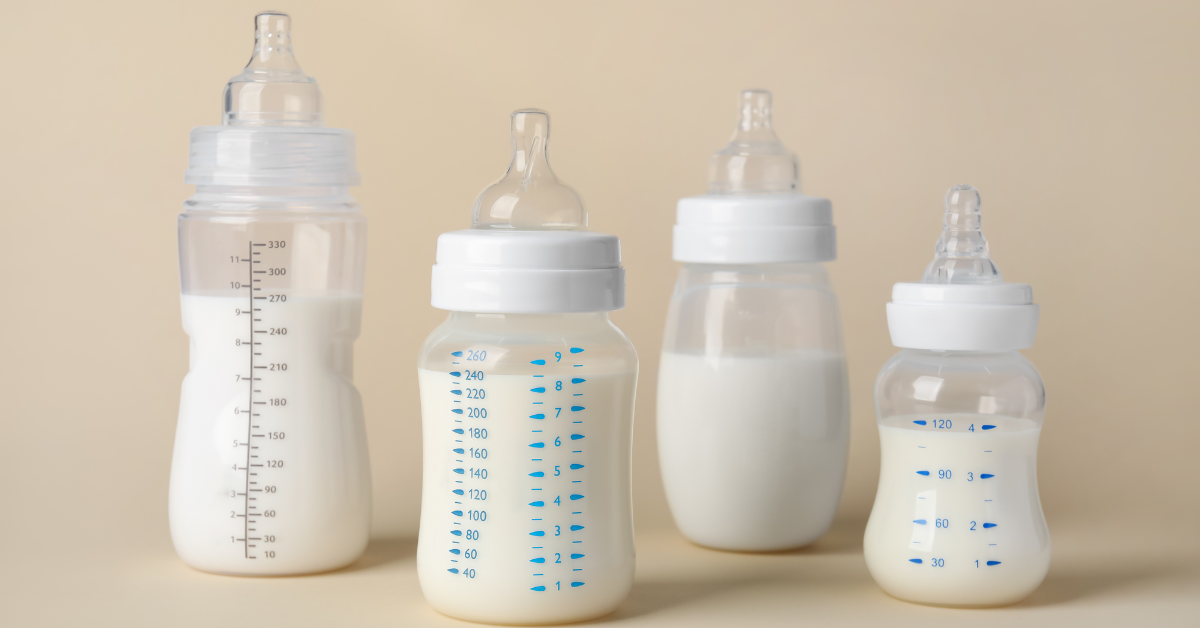
At 9 months, your baby should consume 24-32 ounces of formula or breast milk per day, alongside solid foods.
The Nutritional Needs of a 9-Month-Old
At nine months, your baby’s nutritional needs are evolving rapidly. By this age, most infants are transitioning from a diet primarily based on breast milk or formula to one that includes a variety of solid foods. However, breast milk or formula still plays a crucial role in their diet. Understanding how many bottles your 9-month-old should have is essential for ensuring they receive adequate nutrition.
Breast milk or formula provides vital nutrients that support your baby’s growth and development. At this stage, babies typically require around 24 to 32 ounces of milk daily. This amount should be distributed across several feedings throughout the day, usually between four to six bottles, depending on your baby’s individual needs and appetite.
Understanding Baby’s Feeding Schedule
Feeding schedules can vary widely from one baby to another. Some infants may prefer more frequent, smaller feedings, while others might go longer between bottles. It’s important to observe your baby’s cues and adjust their feeding schedule accordingly.
Most parents find it helpful to establish a routine that accommodates both bottle feeding and solid food introduction. A typical day might look like this:
| Time | Feeding Type | Amount |
|---|---|---|
| 7:00 AM | Breast Milk/Formula | 6–8 ounces |
| 8:30 AM | Solid Food (e.g., oatmeal or pureed fruit) | 2–4 tablespoons |
| 11:00 AM | Breast Milk/Formula | 6–8 ounces |
| 12:30 PM | Solid Food (e.g., pureed vegetables) | 2–4 tablespoons |
| 3:00 PM | Breast Milk/Formula | 6–8 ounces |
| 5:30 PM | Dinner (Solid Food) | 2–4 tablespoons |
| 7:30 PM | Breast Milk/Formula (Before Bed) | 6–8 ounces |
This schedule shows how you can balance bottle feeding with introducing solids. Keep in mind that every baby is different; some may drink more or less than others.
The Role of Solid Foods in Your Baby’s Diet
By nine months, most babies are ready for a variety of solid foods alongside their regular milk intake. This includes soft fruits, vegetables, grains, and proteins like pureed meats or beans. As you introduce new foods, it’s important to pay attention to any allergic reactions and consult with your pediatrician if you’re unsure about what foods to introduce.
Solid foods serve several purposes:
- Nutritional Variety: They provide vitamins and minerals that breast milk or formula alone may not supply.
- Texture Development: Introducing different textures helps prepare your baby for chewing.
- Taste Exploration: Babies learn about flavors through various foods.
While introducing solids is exciting, it’s essential to remember that breast milk or formula remains the primary source of nutrition at this age.
The Importance of Hydration
As your baby transitions to solids, hydration becomes increasingly important. While breast milk and formula provide adequate hydration for infants under one year old, you can also introduce small amounts of water during mealtimes. Limit water intake to about 1-4 ounces per day initially; too much can fill them up and reduce their appetite for nutrient-rich milk.
It’s crucial not to replace breast milk or formula with water entirely at this stage since those liquids contain essential nutrients that water lacks.
Cues for Feeding Adjustments
Every baby has unique feeding patterns and preferences. Recognizing cues can help you determine when it’s time for another bottle or meal. Some signs your baby might show include:
- Rooting reflex when they see food
- Reaching for the bottle
- Fussiness or crying when hungry
- Turning away from food when full
Being responsive to these cues helps establish healthy eating habits early on.
The Transition from Bottles to Cups
As your baby approaches their first birthday, it’s beneficial to start thinking about transitioning from bottles to sippy cups or regular cups. This transition can begin around nine months if your baby shows readiness signs such as sitting up independently and showing interest in drinking from a cup.
Gradually introducing a sippy cup during meals can help ease this transition while maintaining the amount of liquid they consume daily.
Tips for Successful Bottle Feeding at Nine Months:
- Establish a Routine: Consistency helps babies know what to expect.
- Keep It Calm: Create a soothing environment during feedings with minimal distractions.
- Experiment with Positions: Find comfortable positions for both you and your baby during feeding times.
- Monitor Intake: Keep track of how much milk they consume daily; adjust as needed based on growth and appetite changes.
- Stay Flexible: Be prepared for fluctuations in appetite due to growth spurts or developmental milestones.
The Importance of Iron-Rich Foods
Iron is a crucial nutrient for babies at 9 months, especially for supporting their growing brain and preventing iron deficiency anemia. Iron-rich foods such as pureed meats, fortified cereals, and legumes can help ensure your baby’s needs are met. While breast milk and formula contain some iron, complementary foods are essential in meeting these requirements. Always consult your pediatrician if you’re concerned about your baby’s iron intake.
Signs of Allergic Reactions to New Foods
Introducing new foods can be a fun yet challenging experience. It’s important to watch for signs of food allergies, such as rashes, swelling, or gastrointestinal discomfort. New foods should be introduced one at a time, with at least 3 days between each new item. If any signs of an allergic reaction appear, stop feeding that food and consult your pediatrician.
Encouraging Self-Feeding and Motor Skill Development
At this stage, babies start developing fine motor skills. Introducing finger foods like soft fruits or small pieces of cooked vegetables can promote self-feeding and help your baby practice hand-eye coordination. Always supervise your baby while they are eating finger foods to reduce the risk of choking.
The Role of Healthy Fats in Infant Nutrition
Healthy fats, found in foods like avocado, olive oil, and fatty fish, play a vital role in brain development and overall health. At 9 months, it’s essential to introduce a variety of healthy fat sources as part of your baby’s diet. These fats support cognitive development and energy needs, so be sure to include them in your baby’s meals.
Recognizing Signs of Dehydration
Though breast milk and formula are the primary sources of hydration, it’s essential to be aware of signs of dehydration, particularly during illness or in hot weather. Signs of dehydration in babies can include fewer wet diapers, dry lips, and a lack of energy. If any of these signs appear, contact your pediatrician for guidance.
| Time | Feeding Type | Amount |
|---|---|---|
| 7:00 AM | Breast Milk/Formula | 6–8 ounces |
| 8:30 AM | Solid Food (e.g., oatmeal or pureed fruit) | 2–4 tablespoons |
| 11:00 AM | Breast Milk/Formula | 6–8 ounces |
| 12:30 PM | Solid Food (e.g., pureed vegetables) | 2–4 tablespoons |
| 3:00 PM | Breast Milk/Formula | 6–8 ounces |
| 5:30 PM | Dinner (Solid Food) | 2–4 tablespoons |
| 7:30 PM | Breast Milk/Formula (Before Bed) | 6–8 ounces |
Note: This schedule is a guideline. Adjustments may be necessary based on your baby’s individual needs and cues.
The Role of Pediatric Guidance in Feeding Practices
Consulting with your pediatrician regularly is vital as they can provide personalized advice tailored specifically for your baby’s needs. They’ll monitor growth patterns and offer insights into whether you’re meeting nutritional guidelines effectively.
Your pediatrician can also guide you through any concerns regarding allergies when introducing new foods or adjusting feeding schedules based on developmental milestones.
Nourishing Your Baby’s Growth Journey
The journey through infancy is filled with milestones that shape your child’s growth trajectory—both physically and emotionally! As parents navigate these changes together with their little ones, understanding how many bottles should my 9-month-old have? becomes part of ensuring overall well-being.
Regular check-ins regarding feeding habits will help ensure babies receive balanced nutrition while developing healthy eating practices early on—laying the groundwork for lifelong wellness!
Key Takeaways: How Many Bottles Should My 9-Month-Old Have?
➤ 9-month-olds typically need 24-32 ounces of formula daily.
➤ Introduce solid foods alongside bottle feeding at this age.
➤ Offer water in a sippy cup to encourage hydration.
➤ Monitor your baby’s hunger cues for feeding guidance.
➤ Consult a pediatrician for personalized feeding advice.
Frequently Asked Questions: How Many Bottles Should My 9-Month-Old Have?
How many bottles should my 9-month-old have each day?
Your 9-month-old should typically consume about 24 to 32 ounces of formula or breast milk daily, which is usually distributed across four to six bottles. This ensures they receive adequate nutrition while transitioning to solid foods.
What is the ideal amount of formula or breast milk in each bottle?
Each bottle should generally contain 6–8 ounces of milk. However, your baby’s appetite may vary, so it’s important to adjust based on their individual needs.
Can I mix solid foods with my 9-month-old’s bottle feedings?
No, it is best to feed solid foods separately from bottle feedings to allow your baby to experience different textures and flavors. Bottle feedings should still be primarily liquid to meet their nutritional needs.
How do I know if my baby is getting enough to drink?
Watch for signs like wet diapers (at least six per day) and growth milestones. If you’re concerned, check with your pediatrician to ensure your baby is consuming enough.
What should I do if my baby refuses their bottle?
Try offering the bottle at a different time or adjusting the temperature. If your baby continues to refuse the bottle, consult your pediatrician to rule out any health concerns.