
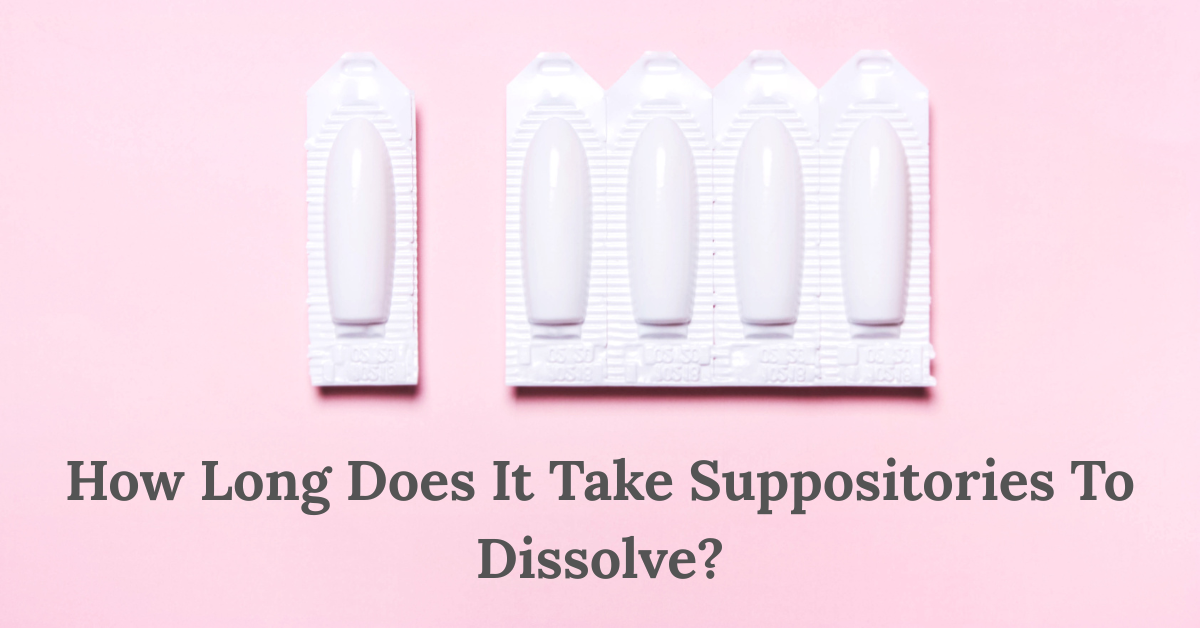
Suppositories typically dissolve within 15 to 30 minutes after insertion, depending on various factors.
Understanding Suppositories
Suppositories are unique medications designed for administration via the rectum, vagina, or urethra. They come in solid form and melt or dissolve at body temperature, releasing their active ingredients directly into the bloodstream or local tissue. This method of delivery can be particularly beneficial for those who may have difficulty swallowing pills or require localized treatment. The design of a suppository allows it to bypass the gastrointestinal tract, which can be advantageous for certain patients.
The composition of these medications varies significantly; they may include active pharmaceutical ingredients alongside excipients that aid in the dissolution process. Common ingredients include cocoa butter and glycerin, which help create the right consistency and melting profile. Understanding how these components interact with body temperature is essential to grasping how long it takes for suppositories to dissolve.
Choosing the Right Suppository Base
Selecting a base isn’t mere pharmacy jargon—it dictates how fast the bullet melts, how comfortable insertion feels, and even whether you need fridge space. Here’s a quick side-by-side look at the workhorses behind most modern products.
| Base material | Typical melting range (°C) | Where it shines |
|---|---|---|
| Cocoa butter / hard fat | 34 – 36 °C | Classic lipophilic choice for rectal or vaginal doses that must liquefy quickly yet stay solid at room temp. |
| Glycerinated gelatin | 35 – 37 °C | Slower-melting, absorbs water—ideal for prolonged vaginal contact or moisture-sensitive actives. |
| Polyethylene glycol (PEG) blends | 50 – 60 °C (dissolve, don’t melt) | Room-stable, travel-friendly bases that dissolve gradually—handy when leakage is a concern or when a drug degrades in heat. |
Why the base matters
- Drug release speed: Fatty bases liquefy fast, sending medicine on its way within minutes, whereas PEG must dissolve in rectal or vaginal fluids, stretching release over 30 – 90 minutes.
- Storage demands: Cocoa-butter bullets melt if your bedroom tops 27 °C—Bangladeshi summers, anyone? PEG sticks shrug off 40 °C car rides.
- Patient comfort: Hydrophilic bases draw in water and swell slightly; that gentle expansion can help spread antifungals evenly across the vaginal wall.
Practical Storage & Travel Hacks
Keep them solid
Store fatty-base suppositories in the fridge but never the freezer—super-cooling can crack the shape, leading to uneven dosing later on. A small insulated pouch with a chill pack works for flights under eight hours.
On-the-go discreetness
PEG products double as the frequent-traveller’s friend: tuck them into your hand-carry without temperature worries. Just keep the foil intact until use to avoid moisture creeping in.
Safe disposal
Unused or expired units belong in a sealed bag tossed with household trash; flushing can gum up plumbing and leach active drugs into waterways. Local pharmacies often run take-back days—worth a quick call.
Special Populations: Kids, Older Adults & Pregnancy
- Children: Paediatric glycerin mini-bullets act within 15 minutes but must be held in place—parents often pinch the cheeks together for those critical seconds.
- Older adults: Age-related rectal tone loss means leakage is common; lying on the left side for ten minutes post-insertion dramatically boosts retention.
- Pregnancy: Many obstetricians prefer vaginal progesterone suppositories because they bypass first-pass liver metabolism, achieving higher uterine levels with lower systemic exposure. Discuss base choice—PEG versions avoid cocoa-butter odours some patients find nauseating.
Suppositories vs. Other Dosage Forms
Rectal or vaginal routes shine when nausea, dysphagia, or GI surgery makes swallowing pills a chore. Compared with transdermal patches, bullets deliver a higher drug load quickly; compared with injectables, they’re needle-free and self-administered. For systemic pain relief during migraines, a rectal diclofenac insert can cut headache intensity by roughly 50 percent within 30 minutes—similar to an intramuscular shot but far simpler at home.
The Mechanism of Dissolution
When a suppository is inserted into the body, several processes begin immediately. First, the warmth of the body causes the suppository material to soften and eventually melt. This phase is crucial because it determines how quickly the medication will be released into the system. The melting point is typically just above normal body temperature, which allows it to transition from solid to liquid seamlessly.
Once melted, the active ingredients are released into the surrounding tissues or fluids. The rate at which this occurs can vary based on several factors, including the formulation of the suppository and individual patient characteristics like metabolism and local blood flow. The surrounding environment also plays a role; for instance, if a person is sitting versus lying down can affect how quickly a suppository dissolves due to pressure and body positioning.
Factors Influencing Dissolution Time
Several factors influence how long it takes for suppositories to dissolve effectively. These include:
- Type of Suppository: Different formulations will have varying dissolution rates based on their ingredients.
- Body Temperature: Higher temperatures can speed up melting while lower temperatures may slow it down.
- Positioning: Lying down versus sitting can affect how quickly a suppository dissolves.
- Hydration Levels: Proper hydration may enhance absorption rates due to increased blood flow.
- Individual Variability: Each person’s unique physiology will impact how quickly they metabolize medications.
Understanding these factors can help set realistic expectations regarding how long it takes for a suppository to take effect.
Common Types of Suppositories
| Type | Common Uses | Dissolution Characteristics |
|---|---|---|
| Rectal Suppositories | Pain relief, anti-nausea | Dissolves in 15-30 mins |
| Vaginal Suppositories | Antifungal treatments, hormone therapy | Dissolves in 15-30 mins |
| Urethral Suppositories | Erectile dysfunction treatments | Dissolves in 5-10 mins |
How Long Does It Take Suppositories To Dissolve? Factors at Play
Now that I’ve covered some basics about suppositories and their types, it’s time to dive deeper into answering the question: How long does it take suppositories to dissolve? The average timeframe is generally between 15 minutes and an hour depending on various conditions.
For instance, rectal suppositories tend to dissolve faster than vaginal ones because they’re designed for quick absorption into systemic circulation. Vaginal formulations generally melt within about 15 to 30 minutes, while urethral pellets release medication in roughly 5 to 10 minutes, usually producing an effect soon after.
In practice, I’ve found that patients often report feeling effects from rectal suppositories within minutes after insertion while vaginal ones might take longer due to differences in absorption rates.
The Importance of Proper Administration
Proper administration techniques play a significant role in ensuring that a suppository dissolves efficiently and effectively. For rectal use, it’s essential to insert the suppository past the anal sphincter for optimal results; otherwise, it might not dissolve properly or could be expelled before having any effect.
For vaginal use, inserting the suppository while lying down might enhance comfort and ensure proper placement within the vaginal canal. Some people prefer using an applicator for ease of insertion—this can also help avoid any discomfort during administration.
Regardless of type or method used, following instructions provided by healthcare professionals or on product packaging ensures that medications perform as intended.
Monitoring Effects After Use
After using a suppository, monitoring its effects becomes crucial in determining whether it worked as expected. Generally speaking, individuals should begin feeling relief or noticing effects within 30 minutes, but this can vary widely based on personal health conditions and medication type.
It’s worth noting that if no effect is felt after an appropriate amount of time has passed—typically around one hour—it may be wise to consult with a healthcare provider for further guidance or alternative therapies.
In cases where individuals feel side effects such as abdominal cramping or discomfort following administration, this could indicate an adverse reaction or improper use—seeking medical advice promptly would be advisable.
Potential Side Effects and Considerations
Like all medications, suppositories come with potential side effects that users should be aware of before use:
- Local Irritation: Some individuals might experience irritation at the site of insertion.
- Gastrointestinal Issues: Nausea or cramping may occur if absorbed too quickly.
- Allergic Reactions: If someone has allergies to specific components used in their formulation (like cocoa butter), they should avoid those products altogether.
Being informed about these possibilities helps manage expectations regarding what one might experience after using a suppository—especially considering how long it takes suppositories to dissolve affects overall effectiveness.
A Personal Experience with Suppositories
Reflecting on personal experiences with using various forms of medication includes encounters with both oral tablets and rectal/vaginal formulations alike over time. While tablets were straightforward enough—swallowing them was rarely an issue—the first time I tried a rectal suppository was quite different!
Feeling apprehensive about insertion initially led me down a rabbit hole researching techniques online—what position worked best? How far should I push? Ultimately, though, once I got past my nerves and followed instructions carefully—it turned out much easier than anticipated! Within about 20 minutes post-administration, relief from discomfort became apparent—a testament not only to effective formulation but also proper technique!
This experience reinforced my belief in understanding medication delivery methods thoroughly before use—a lesson I’d recommend everyone consider regardless of their comfort level with different forms!
Key Takeaways: Suppositories Dissolution Time
➤ Dissolution Time: Suppositories typically dissolve in 15-30 minutes.
➤ Influencing Factors: Body temperature and positioning affect dissolution rates.
➤ Type Variability: Different suppository types have unique dissolution characteristics.
➤ Administration Technique: Proper insertion is key for effective absorption.
➤ Monitoring Effects: Tracking relief helps verify proper dissolution and absorption.
Frequently Asked Questions
What factors influence how long it takes suppositories to dissolve?
The time it takes for suppositories to dissolve can be influenced by several factors. These include the type of suppository, body temperature, positioning during administration, hydration levels, and individual physiological differences. Each of these elements can significantly impact the rate of dissolution and absorption of the medication.
Are there different types of suppositories with varying dissolution times?
Yes, there are several types of suppositories that dissolve at different rates. Rectal suppositories typically dissolve in 15-30 minutes, vaginal suppositories take about 15-30 minutes, and urethral suppositories may dissolve in 5-10 minutes. Each type is formulated for specific medical purposes, affecting their dissolution characteristics.
How can I ensure proper administration of a suppository?
To ensure proper administration of a suppository, follow the instructions provided by your healthcare provider or the product packaging. For rectal use, insert the suppository past the anal sphincter. For vaginal use, lying down during insertion can help ensure proper placement and comfort.
What should I do if I don’t feel effects after using a suppository?
If you do not feel any effects after using a suppository within the expected timeframe—typically around 30-60 minutes—it is advisable to consult with a healthcare provider. They may recommend alternative therapies or investigate if the medication was administered correctly or if it is suitable for you.
What are some common side effects of using suppositories?
Common side effects associated with using suppositories include local irritation at the insertion site, gastrointestinal issues like nausea or cramping if absorbed too quickly, and allergic reactions to specific components in the formulation. Being aware of these potential side effects helps manage expectations during treatment.
Conclusion: How Long Does It Take Suppositories To Dissolve?
Suppositories are deceptively simple: a small, solid dose that turns into fast-acting relief the moment body heat takes over. Most melt within 15–30 minutes, but that window can shrink or stretch with base choice, body temperature, and placement technique. Pick the right formulation for your needs, store it at the correct temperature, and give yourself a few quiet minutes after insertion to let gravity and chemistry do their work. Track how quickly relief appears, stay alert for irritation or leakage, and don’t hesitate to ask a pharmacist or clinician if timing or comfort feels off. Master those basics and you’ll get predictable, effective results every time.