
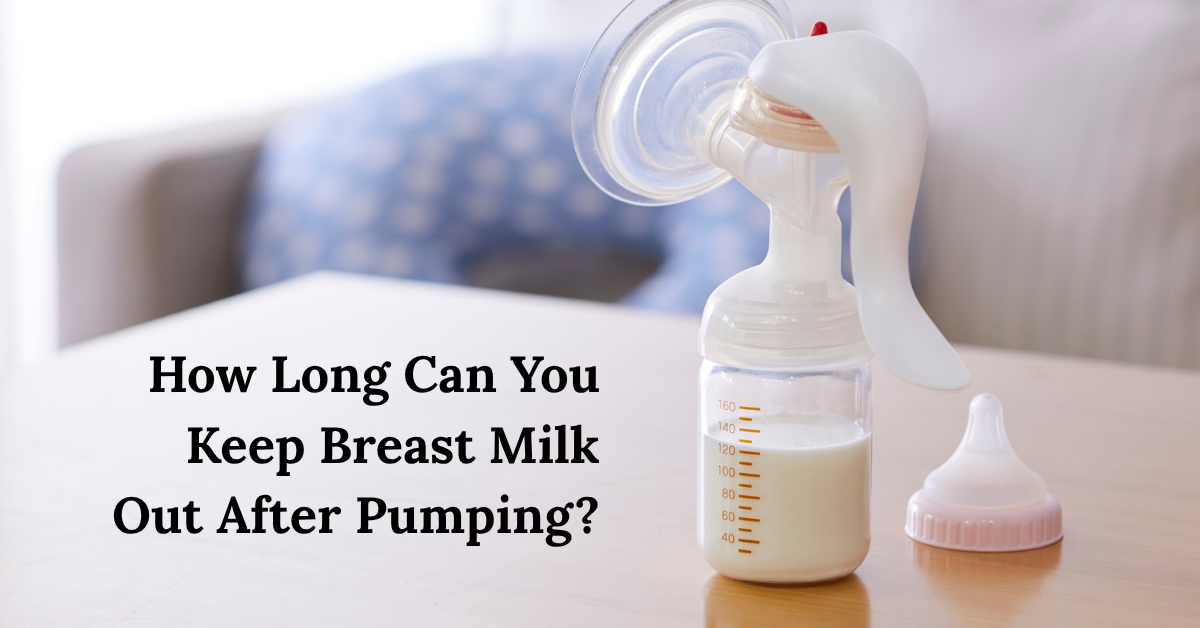
Breast milk can be safely kept at room temperature for up to four hours after pumping.
Understanding Breast Milk Storage
Breast milk is a precious resource for infants, providing essential nutrients and antibodies that support their growth and development. Knowing how to store breast milk properly is crucial for maintaining its quality and ensuring your baby’s health. Many new parents find themselves asking, “How long can you keep breast milk out after pumping?” This question is vital as it impacts both the safety of the milk and the well-being of your child.
When you pump breast milk, it’s important to follow specific guidelines to ensure that the milk remains safe for consumption. The storage duration depends on various factors, including temperature and storage method. Understanding these factors helps parents make informed decisions about how to handle pumped breast milk.
Room Temperature Guidelines
One of the most common scenarios involves keeping breast milk out at room temperature. According to the Centers for Disease Control and Prevention (CDC), freshly expressed breast milk can be left at room temperature for up to four hours. However, this timeframe can vary based on environmental conditions such as heat and humidity.
Keep the 4-hour cap—even in cool rooms. Authoritative bodies such as the CDC and AAP advise discarding or refrigerating freshly expressed milk after 4 hours at ≤ 77 °F / 25 °C. If the room temperature climbs above about 86 °F / 30 °C, shorten that window to 2 hours to curb bacterial growth.
Refrigeration Considerations
If you don’t plan to use the pumped breast milk within four hours, refrigeration is a great option. Once placed in a refrigerator, breast milk can be stored safely for up to four days. It’s crucial to store it in a clean container or a dedicated breast milk storage bag to prevent contamination.
When storing in the fridge, place the containers towards the back where it’s coldest rather than in the door where temperatures fluctuate more frequently. Labeling each container with the date and time of pumping also helps keep track of freshness.
Freezing Breast Milk
For longer-term storage, freezing is an excellent choice. Breast milk can be frozen for up to six months in a standard freezer and up to twelve months in a deep freezer. To freeze effectively, pour the milk into freezer-safe bags or containers, leaving some space at the top since liquids expand when frozen.
Thawing frozen breast milk should be done gradually in the refrigerator or by placing it under warm running water. Never refreeze thawed breast milk; doing so could compromise its quality and safety.
Factors Affecting Storage Duration
While general guidelines provide a solid framework for storing breast milk, several factors can influence how long it remains safe:
- Temperature — The ambient temperature plays a significant role in determining how long breast milk can stay out safely. In warmer conditions above 77 °F (25 °C), it’s best not to leave pumped milk out for more than two hours. Conversely, cooler temperatures may extend this timeframe slightly but should still not exceed four hours.
- Parental illness — Common infections (colds, flu, stomach bugs) do not contaminate breast milk; in fact, antibodies in the milk help protect your baby. Unless you are taking a medication that is contraindicated for breastfeeding or have been advised otherwise by a clinician, expressed milk is safe to store and feed.
- Container type — The type of container used can also influence how long breast milk stays fresh. Glass containers are generally preferred as they are less likely to absorb odors or flavors compared to plastic ones. Ensure that all containers are thoroughly cleaned and sterilized before use.
Table 1 – Quick-look Guide to Storage Containers
| Container type | Key benefit | Quick tip |
|---|---|---|
| Glass bottle / jar | No chemical leaching; resists odours | Use a silicone sleeve to curb breakage risk. |
| BPA-free hard plastic | Lightweight, shatter-proof | Replace at first sign of scratches to avoid bacterial “nests”. |
| Silicone pouch | Flexible, freezer-safe; minimal air space | Freeze flat to save freezer real-estate, then stand upright. |
| Breast-milk storage bag | Pre-sterilised, space-saving | Double-bag if travelling to prevent leaks; remove excess air before sealing. |
| Stainless-steel thermal bottle | Built-in insulation for day trips | Pre-chill with ice water for 10 min to extend cooling time. |
Signs Your Stored Milk Has Spoiled
Look, Swirl, Sniff
- Visual: Fat should separate into a creamy layer on top; any grey or pink discolouration, curd-like clumps that don’t disperse after swirling, or stringy mucus are red flags.
- Smell: A mildly “soapy” scent isn’t harmful—lipase is at work—but a strong sour or rancid odour means discard.
- Taste (last resort): If it immediately tastes sour or metallic, pitch it. Babies often refuse spoiled milk before you even get that far.
Pro tip: Freeze milk in 2–4 oz portions so less is wasted if a batch turns.
Choosing the Right Storage Gear
Glass vs. Plastic vs. Silicone
- Glass keeps flavours intact and withstands high-heat sterilisation, but it is heavier and breakable. A silicone bumper offsets the risk.
- Hard BPA-free plastic is travel-friendly and budget-friendly. Inspect often; micro-scratches can harbour bacteria.
- Silicone pouches collapse as baby drinks, reducing air and oxidation—a plus for nutrient retention. Many plug directly into wearable pumps.
Pump Parts Matter Too
Ill-fitting flanges bruise tissue and reduce output. Measure nipple diameter (in mm) and size up or down in 1-mm increments for comfort and milk flow.
Travel-Day Safeguards
- Pack freshly expressed milk in an insulated cooler bag with fully frozen ice packs; this setup keeps milk at ≈ 4 °C for up to 24 hours.
- TSA treats breast milk and cooling accessories as medically necessary liquids—you may exceed the 3.4-oz limit, but partially melted packs can trigger extra screening. Keep a spare zipper bag to discard meltwater before the checkpoint.
- On arrival, use the oldest container first or shift it straight to the hotel mini-fridge/freezer.
Best Practices for Pumping and Storing Breast Milk
To maximize safety and maintain the nutritional value of pumped breast milk, following best practices is essential:
- Pumping hygiene — Always wash your hands thoroughly before pumping or handling breast milk containers. This simple step significantly reduces contamination risks.
- Use clean equipment — Ensure that all pumping equipment is clean and sterilized before each use. This includes bottles, nipples, and any other accessories involved in the pumping process.
- Avoid direct sunlight and heat sources — When storing breast milk at room temperature or even in the fridge, avoid placing it near direct sunlight or heat sources like stoves or ovens as these can alter its quality over time.
The Importance of Temperature Monitoring
Being aware of temperature variations is crucial when storing breast milk. Using a thermometer can help monitor room temperatures accurately if you’re unsure about how warm it gets in your home environment.
Additionally, if you’re traveling with pumped breast milk—whether by car or plane—investing in insulated bags with ice packs will help maintain appropriate temperatures during transit.
Storage Method Duration
| Storage Method | Duration |
|---|---|
| Room Temperature (up to 77 °F/25 °C) | Up to 4 hours |
| Refrigerator (32 °F-39 °F/0 °C-4 °C) | Up to 4 days |
| Freezer (0 °F/-18 °C) | Up to 6 months (12 months in deep freezer) |
Avoiding Common Mistakes
Many parents unknowingly make mistakes when handling pumped breast milk that could compromise its safety:
- Pumping frequency. Emptying the breasts 8–12 times per 24 h in the early weeks signals the body to keep making high-quality milk. Skipping or spacing sessions too far apart—not pumping “too close together”—is what risks supply dips.
- Mishandling thawed milk. Once thawed, never refreeze any unused portion of previously frozen breast milk; doing so increases bacterial growth risk significantly.
The Role of Breast Milk Composition Changes Over Time
Breast milk composition changes over time based on various factors including maternal diet and infant needs. Initially rich in colostrum—an antibody-rich fluid—it transitions into mature milk within days postpartum, providing optimal nutrition tailored specifically for your baby’s growth stages.
Understanding these changes emphasizes why proper storage methods are vital; as nutritional content shifts so should our approach towards handling it!
Key Takeaways: How Long Can You Keep Breast Milk Out After Pumping?
➤ Room temperature storage: Up to 4 hours after pumping.
➤ Refrigeration: Can be stored for up to 4 days.
➤ Freezing: Safe for 6 months in a standard freezer.
➤ Thawing: Use refrigerator or warm water, never microwave.
➤ Scent and taste: Changes may indicate spoilage; check before use.
Frequently Asked Questions
How long can you keep breast milk out after pumping?
Freshly expressed breast milk can be safely kept at room temperature for up to four hours after pumping. It’s important to monitor the environment, as heat and humidity can affect this duration. After four hours, the risk of bacterial growth increases, which could be harmful to your baby.
What factors affect how long you can keep breast milk out after pumping?
The main factors include room temperature, humidity, and the cleanliness of the storage container. Warmer temperatures may reduce the safe duration, while cooler environments might allow for slightly longer storage. Always adhere to the four-hour guideline to ensure your baby’s safety.
Can I refrigerate breast milk if I don’t use it within four hours?
Yes, if you don’t plan to use the pumped breast milk within four hours, refrigeration is a great option. Once refrigerated, breast milk can be stored safely for up to four days. Make sure to use clean containers and store them in the back of the fridge for best results.
Is freezing breast milk a good option for longer storage?
Absolutely! For longer-term storage, freezing is an excellent choice. Breast milk can be frozen for up to six months in a standard freezer and up to twelve months in a deep freezer. Use freezer-safe bags or containers and leave some space at the top since liquids expand when frozen.
How should I thaw frozen breast milk?
Thawing frozen breast milk should be done gradually. The best methods are placing it in the refrigerator overnight or running it under warm water. Avoid using a microwave as it can create hot spots and damage nutrients. Once thawed, use it within 24 hours and do not refreeze it.
Conclusion – How Long Can You Keep Breast Milk Out After Pumping?
Knowing how long you can keep breast milk out after pumping is essential for every breastfeeding parent. Freshly expressed breast milk should ideally remain at room temperature for up to four hours; after that point, it’s safer stored either refrigerated or frozen based on your future usage plans. By adhering strictly to these guidelines along with the best practices outlined above, parents ensure their little ones receive only high-quality nourishment without compromising safety!