
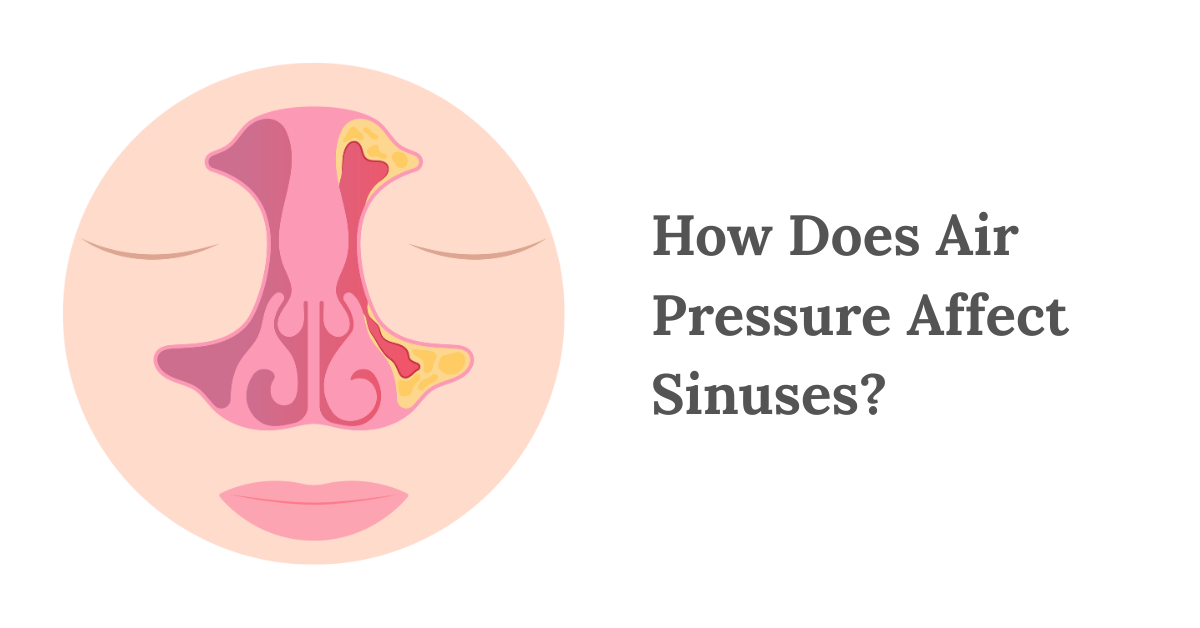
Changes in air pressure can significantly influence sinus health and comfort.
The Basics of Sinus Health
Sinuses are hollow spaces within the bones of the face and skull, lined with mucous membranes. They play a crucial role in respiratory health, helping to humidify and filter the air we breathe. Each sinus cavity is connected to the nasal passages, allowing for drainage and airflow. When everything’s working smoothly, we hardly notice them. However, when disruptions occur—like infections or allergies—things can get uncomfortable fast. Sinus issues can lead to headaches, facial pain, and a general feeling of being unwell.
Understanding how these cavities function is essential for grasping how external factors like air pressure come into play. Sinuses are sensitive to changes in their environment, including temperature, humidity, and notably, air pressure. The balance within these cavities can be disturbed by fluctuations in the atmosphere, leading to discomfort and health issues.
Air Pressure: A Brief Overview
Air pressure is essentially the weight of air molecules pressing down on us. It varies based on altitude, weather patterns, and even temperature changes. At sea level, standard atmospheric pressure is about 1013 hPa (hectopascals). As you ascend in altitude or experience a weather front moving through your area, this pressure can decrease significantly.
When air pressure drops—like during a storm—it can trigger various physical responses in our bodies. Many people report feeling more fatigued or irritable during low-pressure systems. But what’s particularly interesting is how these changes affect our sinuses. The relationship between air pressure and sinus health is complex yet fascinating.
Quick-Look: Barometric Changes & Sinus Response
| Barometric Scenario | Typical Pressure Shift (hPa) | Likely Sinus Reaction |
|---|---|---|
| Sudden thunderstorm onset | ↓ 10–18 in < 6 hrs | Rapid membrane swelling, sharp facial pain |
| Commercial flight ascent to cruising altitude | Cabin drops to ~750 hPa | “Airplane ear,” sinus barotrauma risk, dull ache |
| High-pressure winter day | ↑ 8–12 over 24 hrs | Dry passages, mild relief or dryness-induced irritation |
| Mountain drive (sea level → 2500 m) | ↓ ~240 hPa | Congestion, need for frequent pressure equalization |
| Tropical cyclone approach | ↓ 20–40 in 12 hrs | Throbbing headaches, heightened congestion |
How Air Pressure Influences Sinus Function
The sinuses are designed to equalize pressure with the surrounding environment. When there’s a sudden change in air pressure outside—like during takeoff or landing in an airplane—our bodies must react quickly to maintain that balance. If the sinuses can’t adjust effectively, it can lead to discomfort known as barotrauma.
Barotrauma occurs when there’s a significant difference between the pressure inside the sinus cavities and that of the external environment. This imbalance can cause pain as the tissues swell or become inflamed due to pressure changes. Symptoms often include sharp pain around the eyes or forehead, nasal congestion, and even dizziness.
Understanding how air pressure affects sinuses is crucial for anyone who frequently experiences sinus issues or who travels often. Being aware of these reactions can help manage symptoms more effectively.
Common Symptoms Related to Air Pressure Changes
When air pressure shifts dramatically, several symptoms might arise due to its impact on sinuses:
- Pain: Sharp discomfort around the forehead or cheekbones as the sinus cavities struggle to equalize.
- Congestion: A feeling of blockage occurs as mucous membranes react to changes in pressure.
- Headaches: These may be sharp or throbbing and are often linked to sinus inflammation.
- Dizziness: An imbalance may cause feelings of lightheadedness or vertigo.
| Symptom | Description |
|---|---|
| Pain | Sharp discomfort around facial areas |
| Congestion | Blockage sensation due to swelling |
| Headaches | Throbbing pain linked with inflammation |
| Dizziness | Lightheadedness from sinus imbalance |
Understanding these symptoms helps pinpoint whether they stem from environmental factors like changes in air pressure or other underlying health conditions.
Weather Patterns and Air Pressure Fluctuations
Weather plays a pivotal role in determining air pressure levels. Low-pressure systems usually bring clouds and precipitation, while high-pressure systems tend toward clearer skies and stable conditions. For those sensitive to these changes—especially individuals with pre-existing sinus conditions—the transition between high and low-pressure systems can be particularly challenging.
During low-pressure days, many report increased sinus discomfort due to swelling of mucous membranes triggered by humidity levels that accompany such weather patterns. Conversely, high-pressure days may bring relief as clearer skies often correlate with lower humidity levels.
Being aware of local weather forecasts can be beneficial for managing sinus health effectively. It’s not just about planning outdoor activities; it’s about preparing for potential discomfort caused by shifting atmospheric conditions.
Traveling at High Altitudes: The Impact on Sinuses
Traveling by plane introduces an entirely different set of challenges regarding air pressure and sinuses. As an aircraft ascends through different layers of atmosphere during takeoff and landing, passengers experience rapid changes in cabin pressure that can lead to significant discomfort if not properly managed.
The phenomenon known as “airplane ear” occurs when there’s an inability to equalize internal ear pressures with external pressures—a condition closely related to how air pressure affects sinuses. Many travelers experience this sensation as fullness or popping in their ears but may also feel it manifest as pain or discomfort around their sinus cavities.
To alleviate potential issues while flying, several strategies can be employed:
- Yawning: This simple action helps open up Eustachian tubes for better pressure equalization.
- Chewing gum: The act of chewing encourages swallowing, which aids in balancing internal pressures.
- Hydration: Drinking water helps maintain moist mucous membranes that are less prone to swelling.
These techniques enhance comfort levels during flights while minimizing adverse effects on sinuses.
Proactive Strategies for Frequent Flyers
Even seasoned travelers can run into sinus trouble on long-haul routes or multi-leg journeys. Building a flight-day routine reduces the chance of mid-air misery:
- Pre-flight saline spray (30 minutes before boarding): A quick rinse clears thick mucus and primes the membranes.
- Pressure-regulating earplugs: Designed for gradual air-flow, they soften rapid pressure swings that also influence adjacent sinus cavities.
- Gentle Valsalva manoeuvre during climb and descent: Pinch the nose, close the mouth, and exhale gently—never forcefully—to nudge stubborn passages open.
- Low-dose oral decongestant (if approved by a doctor): Taken an hour before take-off it can reduce mucosal swelling, especially in people with chronic congestion.
- Post-landing steam inhalation: Ten minutes over warm water or a hot shower encourages drainage and quickly restores balance.
Follow these steps consistently and the cabin’s shifting atmosphere becomes far less daunting.
Managing Sinus Health Amidst Pressure Changes
Sinus health management becomes crucial when facing fluctuating air pressures regularly—whether due to weather patterns or travel demands. Here are some practical tips that have proven effective:
- Stay Hydrated: Drinking plenty of fluids keeps mucous membranes moist and functioning optimally.
- Use Humidifiers: Especially during dry seasons or when using heating systems indoors; this adds moisture back into the environment.
- Nasal Irrigation: Saline sprays or neti pots help clear out irritants from nasal passages while providing relief from congestion.
- Monitor Weather Reports: Being aware of impending low-pressure systems allows for proactive management strategies.
- Consult Healthcare Providers: Regular check-ups with healthcare professionals ensure ongoing support for chronic sinus issues.
The Role of Allergies in Sinus Sensitivity
Allergies add another layer of complexity when considering how air pressure affects sinuses. Seasonal allergies exacerbate symptoms during times of high pollen counts, often coinciding with fluctuating temperatures—a scenario common in spring and autumn.
During allergy season, individuals may battle increased nasal congestion alongside heightened sensitivity triggered directly by allergens and indirectly by inflammation within their sinuses. Recognizing this interplay provides valuable insight for targeted treatments tailored to individual needs rather than generic approaches.
Underlying Conditions That Amplify Barometric Sensitivity
Some medical issues make even mild pressure swings feel severe:
- Chronic rhinosinusitis: Persistent inflammation narrows drainage pathways, delaying pressure equalization.
- Deviated septum or narrow osteomeatal complex: Anatomical bottlenecks hinder airflow, so trapped air presses on tender walls during altitude shifts.
- Eustachian tube dysfunction: Although ear-focused, a sluggish tube can echo problems into adjacent sinus cavities.
- Migraine and cluster headaches: Barometric dips are recognized triggers; sinus pain can overlap, confusing diagnosis.
- Asthma and COPD: Airways already inflamed or hyper-reactive leave the upper tract more vulnerable to humidity and pressure fluctuations.
If any of these conditions apply, an ear-nose-throat (ENT) specialist can map structural issues, recommend imaging, and outline personalized pressure-management plans. Early intervention often spares years of avoidable misery.
Key Takeaways: Air Pressure and Sinuses
➤ Sinus Sensitivity: Sinuses react to changes in air pressure, causing discomfort.
➤ Barotrauma Risks: Sudden pressure changes can lead to painful sinus imbalances.
➤ Weather Impact: Low-pressure systems often worsen sinus symptoms and discomfort.
➤ Travel Precautions: Techniques like yawning help manage pressure during flights.
➤ Health Management: Proactive daily habits reduce flare-ups and promote long-term relief.
Frequently Asked Questions: How Does Air Pressure Affect Sinuses?
What happens to sinuses during changes in air pressure?
When air pressure changes, sinuses may struggle to equalize the pressure with the surrounding environment. This can lead to discomfort, pain, and even inflammation. The rapid shifts can trigger symptoms like headaches and congestion as the body attempts to adapt.
How does air pressure impact sinus-related headaches?
Air pressure fluctuations can lead to sinus-related headaches due to the swelling of mucous membranes. When these membranes become inflamed, they create pressure within sinus cavities, resulting in pain that may be felt around the forehead and cheeks.
Can weather patterns influence sinus health due to air pressure?
Yes, weather patterns significantly influence sinus health. Low-pressure systems often bring increased humidity, which can cause mucous membranes to swell. Conversely, high-pressure systems typically lead to drier conditions, potentially providing relief from sinus discomfort.
What techniques help manage sinus issues during air travel?
To manage sinus issues during air travel, techniques like yawning or chewing gum can help equalize ear and sinus pressures. Staying hydrated is also crucial, as it helps keep mucous membranes moist and reduces the likelihood of swelling during altitude changes.
Are there long-term effects of frequent air pressure changes on sinuses?
Frequent exposure to varying air pressures can lead to chronic sinus issues. Over time, this may result in persistent inflammation or sensitivity in the sinuses. Regular management strategies are essential for maintaining healthy sinus function and preventing discomfort.
Conclusion: Understanding Your Sinus Health
Navigating life with sensitive sinuses means staying informed about factors influencing overall wellness—including how air pressure affects sinuses. It’s essential not only for personal comfort but also for maintaining optimal respiratory function over time. By paying attention internally (hydration and nutrition) and externally (weather forecasts and air quality), individuals can reduce the impact of fluctuating environments without compromising daily enjoyment.
Taking proactive steps toward managing one’s health in unpredictable circumstances allows for better control over uncomfortable situations and builds resilience against future episodes.