
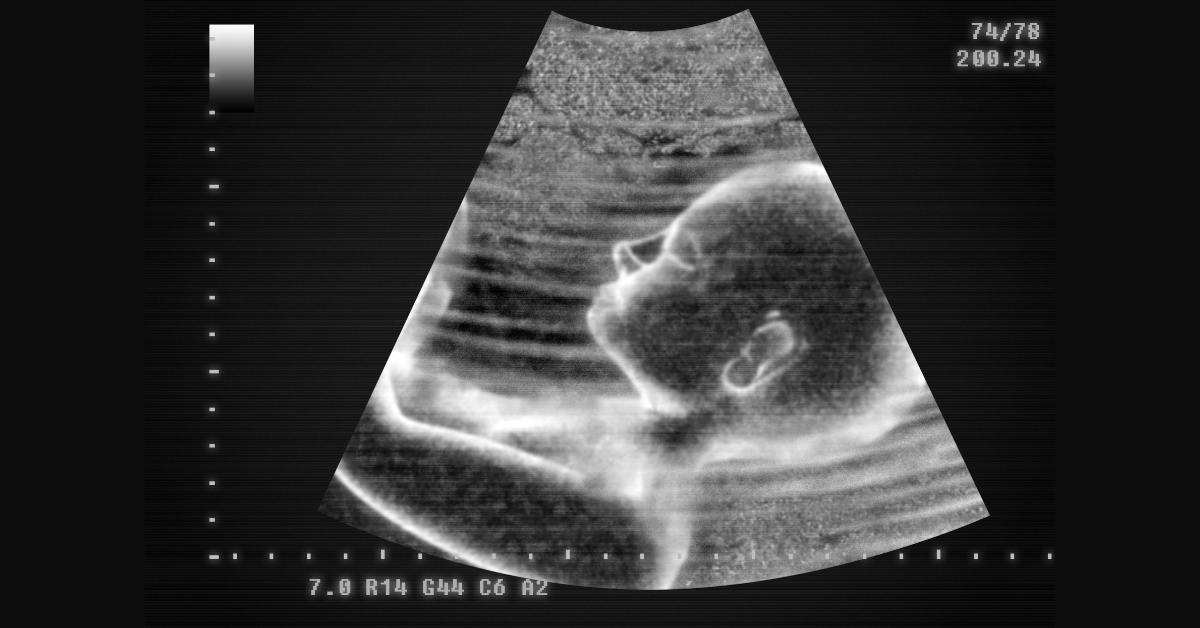
At five months, a fetus is usually around 9 to 10 inches long by the end of the month and weighs roughly 11 ounces to about 1 pound, depending on the exact week and how length is measured.
Understanding Fetal Growth at Five Months
Five months into pregnancy marks a significant period of development for the fetus. This stage is part of the second trimester, which spans from weeks 13 to 26. During this time, the fetus undergoes rapid physical growth and development. In many pregnancy calendars, the fifth month is roughly weeks 17 through 20. By around week 20, the fetus may weigh about 11 ounces, and by the end of the fifth month, many references place fetal size closer to about 9 to 10 inches long and around 1 pound. The exact number can vary because some sources measure crown-to-rump length, while others describe head-to-heel length. Cleveland Clinic’s fetal development timeline explains this month-by-month growth pattern and notes that fetal movement often becomes noticeable around this point.
This growth can be attributed to several factors, including the development of organs, tissues, and systems. The fetal body begins to take shape as limbs elongate and features become more defined. At this stage, you may even be able to feel movements as the fetus becomes more active.
The Size of a Fetus at Five Months
The size of a five-month-old fetus can be likened to that of a large banana, especially when describing the baby’s overall head-to-heel length near the end of the month. To provide a clearer picture, here’s a simple table comparing fetal size with common objects:
| Fetal Size | Comparable Object |
|---|---|
| About 9 to 10 inches by the end of month five | Large banana |
| About 11 ounces to 1 pound near this stage | Small melon or a light can-sized weight |
| Length at Week 20 | Often described as banana-sized, depending on measurement style |
| Length by Week 24 | Closer to month six and often compared with a cucumber or ear of corn |
As you can see from the table above, the dimensions of a five-month-old fetus provide an interesting perspective on its growth journey. These comparisons are helpful, but they are only general guides because fetal size varies from pregnancy to pregnancy.
Physical Development Milestones by Month Five
- Limb Development and Movement
By month five, the limbs are well formed with fingers and toes clearly visible. The fetus starts to move more frequently, often resulting in noticeable kicks, flutters, or rolls felt by the mother. These movements are not just random; they play an essential role in muscle and nervous-system development. - Organ Maturation
The internal organs continue to mature during this stage. The heart is beating steadily and circulating blood, and the lungs are developing further in preparation for breathing air after birth. The digestive system is also starting to function as the fetus swallows amniotic fluid. - Sensory Development
Around this time, sensory development begins to take shape as well. The eyes may respond to light changes, and hearing is developing too; sounds from outside the womb may be perceived by the fetus as pregnancy progresses.
In-Depth Fetal Development Snapshot at Five Months
Brain Development
Neural connections are multiplying rapidly, enabling the brain to begin coordinating simple movements and laying the groundwork for future cognitive milestones.
Skeletal Development
Cartilage is steadily ossifying into bone, giving the tiny skeleton more definition and strength. This hardening process sets the foundation for continued growth and later support after birth.
Circulatory System
The fetal heart is working continuously, circulating blood through the developing body and through the umbilical cord and placenta. This circulation helps deliver oxygen and nutrients needed for continued growth.
Genetic Factors
Inherited traits—from physical features to some possible genetic conditions—are quietly expressing themselves. Routine prenatal screenings and ultrasound exams help monitor development and give healthcare providers a clearer picture of the baby’s progress.
| Week | Approximate Length | Approximate Weight |
|---|---|---|
| 17 | Growing quickly; measurements vary by source | Several ounces |
| 18 | About 5.5 inches crown-to-rump in some medical references | About 7 ounces |
| 19 | Continuing steady growth | Increasing week by week |
| 20 | About 6.3 inches crown-to-rump, or closer to 9 to 10 inches head-to-heel | About 11 ounces to around 1 pound by the end of the month |
| 24 | Month six, not month five; often about 12 inches head-to-heel | Usually over 1 pound |
Nutritional Needs for Optimal Growth
To support fetal growth during this critical stage, proper nutrition is essential for pregnant individuals. A balanced diet rich in vitamins and minerals provides the necessary nutrients for both mother and baby. Guidance from ACOG’s healthy eating during pregnancy resource highlights important nutrients such as folic acid, iron, calcium, vitamin D, choline, omega-3 fatty acids, B vitamins, and vitamin C.
Key nutrients required
- Folic acid – essential for neural-tube development
- Iron – supports increased blood volume and helps prevent iron-deficiency anemia
- Calcium – important for bone and tooth development
- DHA – an omega-3 fatty acid important for brain and eye development
- Protein – necessary for tissue growth
- Vitamin D – aids calcium absorption and supports bone and immune health
Incorporating foods rich in these nutrients can help support healthy fetal growth during this stage. Prenatal vitamins may also be recommended by a healthcare provider to help fill nutritional gaps.
The Role of Prenatal Care During This Period
Regular prenatal check-ups become increasingly important as pregnancy progresses into month five. These visits allow healthcare providers to monitor fetal growth through physical assessments, ultrasound when appropriate, and routine maternal-health checks.
- Ultrasound Imaging
An ultrasound around this stage can provide valuable insights into fetal size and developmental milestones. The mid-pregnancy anatomy scan is commonly performed around 18 to 22 weeks. It allows healthcare providers to check fetal organs and body structures, while also giving many parents a detailed glimpse of their baby. - Monitoring Maternal Health
Maternal health is equally important during this time frame. Healthcare providers will monitor weight gain, blood-pressure levels, symptoms, and overall well-being to help ensure both mother and baby are thriving.
The Emotional Journey Through Month Five
Pregnancy brings about an emotional roller-coaster that can vary significantly from one person to another. As physical changes occur alongside growing anticipation for the baby’s arrival, it’s common to experience a mix of excitement and anxiety.
Support systems play a crucial role during this time
- Meditation – helps manage stress levels
- Taking classes – prenatal classes can prepare parents mentally
- Bonding activities – engaging with your partner or family members about your pregnancy journey fosters connection
These strategies not only enhance emotional well-being but also create an environment that may support healthier pregnancy habits.
The Importance of Movement During Pregnancy
Staying active during pregnancy has numerous benefits that contribute positively to maternal health and overall well-being:
- Tension relief – physical activity may help reduce stress levels
- Circulation improvement – movement supports blood flow, which is important during pregnancy
- Mood enhancement – exercise can release endorphins that improve emotional well-being
However, it’s essential to consult with healthcare providers before starting any new exercise routine during pregnancy, especially if the pregnancy is high-risk or if symptoms such as bleeding, dizziness, chest pain, or contractions occur.
Pregnancy Symptoms Around Month Five
As you reach month five, various symptoms may manifest due to hormonal changes and physical adjustments:
- Aches and pains – increased weight and posture changes may lead to back pain or pelvic discomfort
- Bloating or gas – hormonal fluctuations can slow digestion and cause digestive issues
- Nasal congestion – increased blood flow and hormonal shifts may lead to swelling in nasal passages
While these symptoms can be uncomfortable, they are generally normal parts of pregnancy progression. Severe pain, heavy bleeding, fever, persistent vomiting, or sudden swelling should be discussed with a healthcare provider promptly.
The Anticipation of Gender Reveal at Five Months
By five months gestation, especially around the 18- to 22-week anatomy scan, many parents choose to find out the baby’s sex through ultrasound imaging if the fetus is positioned in a way that allows the technician to see clearly.
- Ultrasound sex determination – during the anatomy scan, trained professionals may be able to identify fetal sex, though accuracy depends on timing, fetal position, and image clarity.
This exciting moment adds another layer of anticipation as families prepare for their new addition. Informal methods, such as guessing based on angles or appearance, should not be treated as medically reliable.
The Role of Partners During Pregnancy
Expectant partners play an integral role throughout pregnancy—especially during month five when emotions can run high. Open communication fosters understanding between partners about needs during this phase.
Your partner’s support matters!
Being present emotionally helps create bonding experiences while easing tension associated with impending parenthood responsibilities. Attending appointments, helping with daily tasks, encouraging rest, and learning about pregnancy together can make this stage feel more supported.
Key Takeaways: How Big Is a 5-Month-Old Fetus?
➤ Size: A 5-month-old fetus is often described as about the size of a large banana near the end of the month.
➤ Weight: It may weigh around 11 ounces at about week 20 and closer to 1 pound by the end of month five.
➤ Development: Major organs and body systems are formed and continue maturing by this stage.
➤ Movement: Fetal movements may start to be felt by the mother around 18 to 22 weeks.
➤ Growth: Rapid growth continues during the second trimester.
Frequently Asked Questions
How big is a 5-month-old fetus compared to common objects?
A 5-month-old fetus is often compared to a large banana, especially near the end of the fifth month. Depending on the exact week and measurement method, the fetus may be around 9 to 10 inches long head-to-heel and may weigh roughly 11 ounces to about 1 pound.
What are the physical development milestones of a 5-month-old fetus?
At five months, a fetus reaches several key milestones in development. Limb formation is well established, with fingers and toes visible. The fetus becomes more active, with noticeable movements such as flutters, kicks, and rolls that contribute to muscle and nervous-system development.
How does organ maturation progress in a 5-month-old fetus?
By five months, the internal organs of the fetus are maturing significantly. The heart continues circulating blood, while the lungs develop further for future breathing. Additionally, the digestive system begins functioning as the fetus swallows amniotic fluid.
What sensory developments occur in a 5-month-old fetus?
Sensory development is also notable at this stage. The eyes may respond to light changes, and hearing continues to develop. Sounds from outside the womb may be perceived as the fetus grows, laying the groundwork for later auditory experiences.
Why is nutrition important for a 5-month-old fetus?
Proper nutrition is crucial for supporting the growth of a 5-month-old fetus. A balanced diet rich in vitamins, minerals, protein, and healthy fats provides essential nutrients that promote healthy development during this critical stage of pregnancy, helping both mother and baby thrive.
The Conclusion – How Big Is a 5-Month-Old Fetus?
In summary, understanding how big a five-month-old fetus is provides insight into its remarkable growth journey. At this stage, the fetus is often described as large-banana sized, with weight commonly around 11 ounces near week 20 and closer to 1 pound by the end of the fifth month.
The exact size depends on the pregnancy week and whether the measurement is crown-to-rump or head-to-heel. That distinction matters because medical sources often use different measurement styles at different points of pregnancy.
Monitoring developmental milestones through prenatal care ensures both the mother’s health and optimal conditions for the baby’s continued progress toward birth day.
References & Sources
- Cleveland Clinic. “Fetal Development: Week-by-Week Stages of Pregnancy.” Supports the corrected month-five fetal size range, movement timing, and second-trimester development details.
- American College of Obstetricians and Gynecologists (ACOG). “Healthy Eating During Pregnancy.” Supports the pregnancy nutrition section, including key nutrients such as folic acid, iron, calcium, vitamin D, and omega-3 fatty acids.