
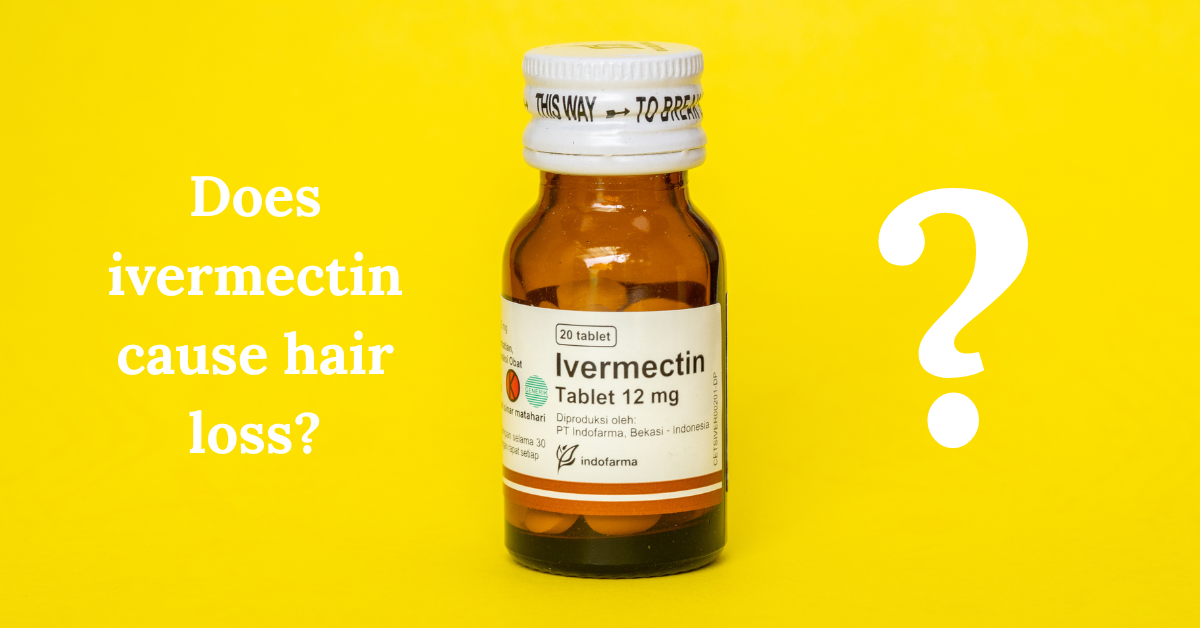
Does ivermectin cause hair loss? This article explores the connection between ivermectin and hair loss.
The Rise of Ivermectin in Medicine
Ivermectin has gained significant attention over the past few years, especially during the COVID-19 pandemic. Originally developed as an anti-parasitic medication, it has been used to treat various conditions, ranging from river blindness to scabies. This drug works by targeting specific parasites and has shown remarkable efficacy in treating these infections. However, as its popularity surged, so did the questions surrounding its side effects. One of the more concerning queries that emerged was: does ivermectin cause hair loss?
The drug’s journey from a veterinary treatment to a human medicine is fascinating. Initially approved for use in animals, it made its way into human medicine due to its success in treating parasitic infections. As doctors began prescribing it for different ailments, patients started reporting various side effects. Some of these were mild and manageable, while others raised eyebrows. Hair loss became a topic of discussion among those who had taken ivermectin, leading many to wonder if there was a direct link.
Understanding Ivermectin’s Mechanism
To grasp whether ivermectin might lead to hair loss, it’s essential to understand how it works within the body. Ivermectin primarily targets parasites by binding to glutamate-gated chloride channels in parasite nerve and muscle cells, forcing the channels open. The resulting chloride influx hyper-polarises the cell membrane, paralysing and eventually killing the parasite. This mechanism is specific to parasites and does not directly affect human cells under normal circumstances. However, any medication can have unintended consequences.
The way medications interact with our body can be complex. While ivermectin is generally well-tolerated, some individuals may experience side effects due to their unique biochemistry or pre-existing conditions. The question remains: does ivermectin cause hair loss in some individuals?
Research into this specific side effect is limited but not nonexistent. Some anecdotal reports suggest that individuals have experienced thinning hair or increased shedding after using ivermectin. However, correlating these experiences with definitive causation is tricky.
Possible Causes of Hair Loss
Hair loss can stem from various factors unrelated to medications. Stress, hormonal changes, nutritional deficiencies, and underlying health conditions are just a few culprits that can lead to thinning hair or bald patches. When someone experiences hair loss after taking ivermectin, it’s crucial to consider these other factors.
For instance, if a person is dealing with a parasitic infection that requires treatment with ivermectin, they might already be under physical stress or experiencing nutritional deficiencies due to their illness. These variables could easily contribute to hair loss independently of the medication itself.
Moreover, some individuals may be predisposed to certain types of hair loss due to genetic factors or existing medical conditions like alopecia areata or telogen effluvium. It’s important not to jump to conclusions without considering the broader context of an individual’s health.
| Diagnostic test | What it evaluates | Typical finding if shedding is drug-triggered |
|---|---|---|
| Serum ferritin | Iron stores vital for anagen phase | Often low-normal; boosting to > 40 ng/mL aids regrowth |
| Thyroid-stimulating hormone (TSH) | Thyroid imbalance, a common mimic of telogen effluvium | Normal or borderline high; correcting restores density |
| Pull-test + 60-second comb test | Proportion of hairs in telogen vs anagen phase | > 10 % telogen hairs suggests acute shedding |
| Trichoscopy | Follicle miniaturisation, scalp inflammation | Uniform telogen plugs without focal scarring |
| Scalp biopsy (4-mm punch) | Distinguishes alopecia areata, scarring alopecias | Increased telogen count, no peri-follicular fibrosis |
| Serum zinc & vitamin D | Micronutrients for keratin synthesis | Sub-optimal levels in ~40 % of TE cases |
| DHEAS / free testosterone | Androgen excess causing thinning | Usually normal in drug-induced shedding |
Deeper Look: How Clinicians Assess Hair Loss After Medication
Step-by-Step Diagnostic Workflow
Clinicians first match timing: telogen effluvium typically surfaces 6–12 weeks after the inciting event or new drug dose. They next perform the pull-test; more than a few hairs sliding free signals active shedding. Baseline photos and trichoscopy images help track progress in follow-ups.
Ruling Out Look-alikes
Drug-related telogen effluvium causes diffuse thinning, whereas alopecia areata shows patchy loss with exclamation-mark hairs. If the scalp shows perifollicular scale or erythema, clinicians suspect seborrheic dermatitis or psoriasis instead of a medication effect.
Lab Benchmarks to Watch
Ferritin < 30 ng/mL, vitamin D < 30 ng/mL, or zinc below 70 µg/dL can all prolong recovery. Correcting these deficits shortens the telogen phase and encourages anagen re-entry.
When a Biopsy Matters
If shedding persists longer than nine months or patches scar, a 4-mm punch biopsy settles the question. Histology confirming miniaturised follicles with intact sebaceous glands supports chronic telogen effluvium rather than scarring alopecia.
Research on Ivermectin and Hair Loss
Scientific literature exploring the direct relationship between ivermectin and hair loss is sparse but worth examining for clarity. A few studies have touched on this topic indirectly by discussing the side effects associated with the drug’s use for various conditions.
One study involving patients treated for scabies noted that while some reported skin irritation and itching post-treatment, there was no significant evidence linking ivermectin use directly with hair loss. Another study focused on patients treated for lymphatic filariasis also did not find substantial reports of alopecia among participants.
Nevertheless, individual case reports continue to surface on forums and social media platforms where users share their experiences with ivermectin treatment and subsequent hair shedding or thinning. These anecdotal accounts raise questions but lack scientific backing needed for conclusive evidence.
Table: Common Side Effects of Ivermectin
| Side Effect | Description | Frequency |
|---|---|---|
| Nausea | Feeling sick or queasy after taking medication. | Common |
| Dizziness | A sense of lightheadedness or unsteadiness. | Common |
| Skin Rash | An allergic reaction resulting in red patches on skin. | Occasional |
| Fatigue | A feeling of extreme tiredness or lack of energy. | Common |
| Hair Loss | A noticeable decrease in hair density or shedding. | Rare / Anecdotal |
This table highlights some common side effects associated with ivermectin usage based on existing literature and patient reports. While most side effects are manageable and relatively mild, it’s essential for anyone considering this medication—especially those concerned about potential risks like hair loss—to have an open dialogue with their healthcare provider.
The Role of Other Medications and Treatments
When examining whether does ivermectin cause hair loss, it’s also vital to consider other medications someone might be taking concurrently. Polypharmacy—taking multiple medications at once—can complicate matters significantly.
For instance, if an individual is using other treatments for skin conditions or infections that also list hair loss as a potential side effect, it becomes challenging to isolate which drug might be responsible for this issue. It’s common for people undergoing treatments for severe infections or illnesses to be prescribed multiple drugs simultaneously; thus attributing any adverse reactions solely to one medication can be misleading.
It’s not uncommon for patients undergoing significant medical treatments—such as chemotherapy—to experience substantial changes in their hair health due not just to one drug but rather a combination of factors including stress levels and nutritional intake during treatment periods.
Nutritional Factors Affecting Hair Health
Nutrition plays an undeniable role in overall health, including that of our precious locks. Deficiencies in vitamins such as biotin (B7), vitamin D3, iron, zinc, and inadequate protein intake can all contribute to thinning or fragile hair.
When someone undergoes treatment—whether it’s antibiotics like ivermectin or something else entirely—their dietary habits may shift dramatically based on how they feel physically during recovery periods, which could inadvertently affect nutrient absorption rates and lead to unwanted shedding.
Incorporating nutrient-rich foods into daily meals becomes vital when trying to combat both illness-related fatigue and potential concerns surrounding thinning tresses. Lean proteins alongside leafy greens packed full of antioxidants support cellular repair processes while promoting a healthier scalp environment conducive to optimal growth cycles.
Supporting Follicle Recovery
Short-term loss rarely turns permanent, but patients can nudge follicles back on track:
- Protein-rich breakfasts – aim for 20 g of complete protein each morning.
- Targeted supplementation – 30 mg zinc gluconate + 2 000 IU vitamin D daily if bloodwork is low (under medical guidance).
- Topical boosters – 2 % minoxidil foam accelerates anagen entry; apply once nightly to the thinning zone.
- Gentle scalp massage – five minutes of fingertip circular motions improves micro-circulation.
- Stress-modulation rituals – mindfulness sessions or brisk walks curb cortisol surges that can stall hair cycling.
- Timeline expectations – visible regrowth typically starts around the three-month mark, with density normalising within six to nine months once the trigger has ceased and nutrients are replete.
Monitoring progress with monthly photographs under identical lighting reassures patients and helps clinicians tweak the plan.
Key Takeaways: Ivermectin and Hair Loss
- Limited evidence: no definitive proof links ivermectin to hair loss.
- Anecdotal reports: some users report hair thinning post-treatment.
- Other factors: stress, illness, or nutrient gaps often explain shedding.
- Consult professionals: always discuss concerns with healthcare providers.
- Nutritional role: deficiencies in iron, zinc, vitamin D, or protein can trigger loss.
Frequently Asked Questions
What is the primary concern regarding ivermectin and hair loss?
The primary concern is whether ivermectin can directly lead to hair loss in some individuals. While anecdotal reports suggest a connection, scientific studies have not established a definitive link. Understanding the broader context of health and other factors is crucial in evaluating this issue.
Are there any known side effects of ivermectin related to hair loss?
While ivermectin is generally well-tolerated, some users have reported hair loss as a rare side effect. Most evidence is anecdotal rather than scientifically validated. Common side effects include nausea, dizziness, and fatigue, but hair loss remains an uncommon report among patients.
How do other medications affect the relationship between ivermectin and hair loss?
The presence of other medications can complicate the assessment of whether ivermectin causes hair loss. Polypharmacy introduces multiple variables affecting hair health. It’s essential to consider all medications being taken concurrently when evaluating potential side effects like hair thinning.
What are some common causes of hair loss unrelated to ivermectin?
Hair loss can result from various factors unrelated to ivermectin, including stress, hormonal changes, and nutritional deficiencies. Conditions like alopecia areata or telogen effluvium might also contribute to hair thinning, making it vital to assess individual health comprehensively.
What should individuals do if they experience hair loss after taking ivermectin?
If someone notices increased hair shedding after using ivermectin, it’s important to consult with a healthcare professional. They can help determine whether the medication plays a role or if other factors contribute to the condition, ensuring proper guidance and support.
The Bottom Line: Does Ivermectin Cause Hair Loss?
After a thorough review, there isn’t straightforward evidence linking ivermectin directly to hair loss, although anecdotal stories suggest some individuals may experience increased shedding following its use. While research remains limited, further studies are needed to explore possible correlations between this anti-parasitic agent and diverse personal biochemistries.
As always, consulting healthcare professionals before making medication decisions remains paramount. They’ll help navigate the complexities of treatment while ensuring all potential risks are fully understood.