
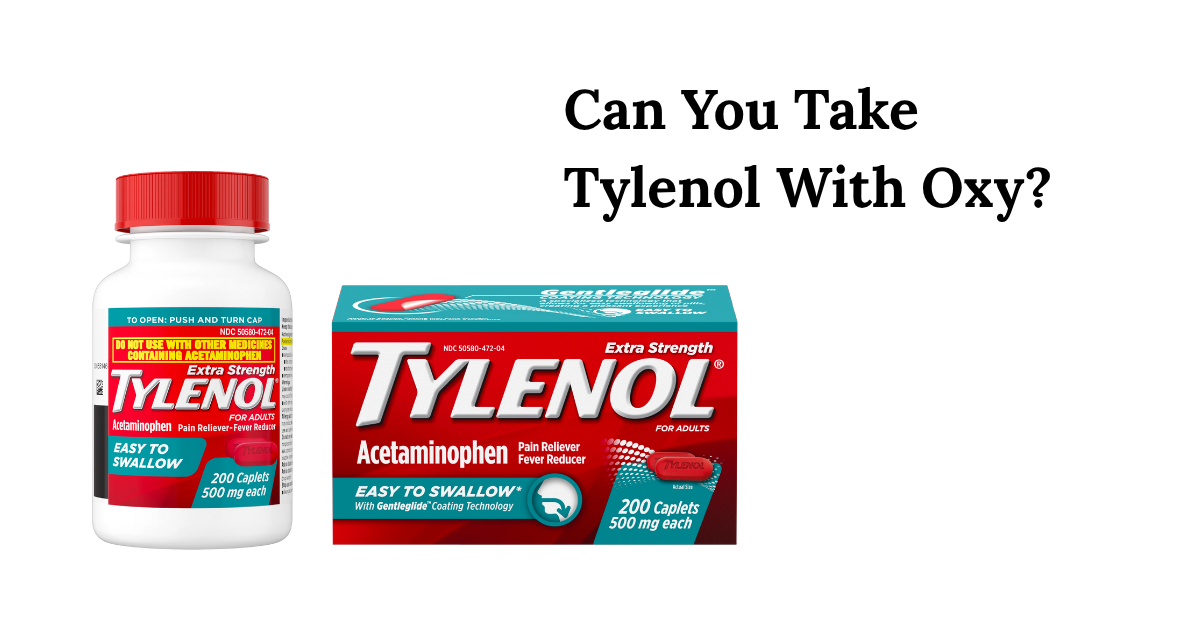
Yes—Tylenol (acetaminophen) and oxycodone can be taken together safely under medical guidance, but the total acetaminophen from all products should generally stay below 4,000 mg daily for most adults, and many people should use a lower limit such as 3,000 mg or less if advised by a clinician.
The Basics of Tylenol and Oxycodone
Tylenol, known generically as acetaminophen, is a common over-the-counter pain reliever. It’s often used to treat mild-to-moderate pain and reduce fever. On the other hand, Oxycodone is a prescription opioid used for more severe pain management. Both medications have their place in pain relief but work differently in the body. Tylenol works mainly in the central nervous system to help alleviate pain and reduce fever, while Oxycodone binds to opioid receptors in the brain and spinal cord, changing how the brain and nervous system respond to pain. Understanding these differences is crucial when considering whether one can safely use both medications together.
Pain management can be tricky. Sometimes, a single medication just doesn’t cut it. In situations where one might be prescribed Oxycodone for serious pain relief, Tylenol might also be suggested to enhance the overall effect. This combination may allow some patients to use lower opioid doses while still achieving effective pain control, which is important given the risks associated with opioid use.
Understanding Drug Interactions
Drug interactions can be a significant concern when combining medications. The question “Can You Take Tylenol With Oxy?” arises because both drugs affect the body differently and could lead to problems if not monitored properly. Generally speaking, there is no direct drug interaction between acetaminophen and oxycodone that automatically makes them unsafe to take together; however, it’s essential to consider dosage, timing, individual health conditions, alcohol use, other sedating medicines, and whether the oxycodone product already contains acetaminophen.
For example, taking too much acetaminophen can lead to severe liver damage. The FDA’s acetaminophen safety guidance says the current maximum recommended adult dose is 4,000 mg per day from all medicines combined, and it warns that acetaminophen is found in many prescription and over-the-counter products. When using Oxycodone alongside Tylenol, it’s crucial to ensure that the total dosage of acetaminophen from every source does not exceed safe limits.
Dosage Considerations
When combining medications like Tylenol and Oxycodone, understanding proper dosages is vital. Here’s a quick breakdown of typical dosages:
| Medication | Common Dosage | Maximum Daily Dose |
|---|---|---|
| Tylenol (Acetaminophen) | 325–1,000 mg every 4–6 hours as needed, depending on product label and clinician advice | Up to 4,000 mg from all acetaminophen-containing products for many adults; some labels and clinicians recommend 3,000 mg or less |
| Oxycodone | Often 5–15 mg every 4–6 hours as needed, depending on prescription and formulation | Varies based on prescription, opioid tolerance, formulation, and medical supervision |
These dosages are general guidelines and may not apply to everyone. Factors like age, weight, liver function, kidney function, breathing problems, other medications, pregnancy, breastfeeding, and overall health play significant roles in determining the appropriate dose for each individual. It’s always best to consult with a healthcare professional before starting any new medication regimen or making changes to existing ones.
Spotlight on Hidden Acetaminophen Sources
Many accidental overdoses happen because people don’t realise how many everyday remedies hide extra acetaminophen. A quick scan of labels before each dose can literally save your liver. Acetaminophen may appear on labels as “acetaminophen,” “APAP,” or shortened forms such as “Acetam,” so checking both prescription and over-the-counter products matters.
| Product Category | Example Brand / Strength | Acetaminophen per Unit (mg) |
|---|---|---|
| Cold & flu combo tablets | DayQuil LiquiCaps | 325 |
| Migraine relief packs | Excedrin Migraine | 250 |
| PM sleep aids | Tylenol PM Caplets | 500 |
| Prescription opioid combos | Percocet 5/325 | 325 |
| “All-in-one” sinus sachets | Sudafed PE NightTime | 325 |
Practical Math: Stay Under the Cap
If you’ve already taken two Percocet 5/325 tablets, that equals 650 mg of acetaminophen total. If you also take one Extra-Strength Tylenol caplet containing 500 mg, you’re at 1,150 mg. That leaves 2,850 mg before reaching a 4,000 mg daily ceiling. However, that does not mean five regular-strength tablets equal 2,850 mg. Five regular-strength 325 mg tablets equal 1,625 mg. A safer approach is to track every acetaminophen-containing product and stop well before your personal daily limit, especially if your clinician has told you to stay at 3,000 mg, 2,000 mg, or another lower amount. Keeping a simple medication log on your phone or fridge can be a lifesaver.
FDA Rules on Combination Tablets
Since 2014, U.S. regulators have pushed prescription combination products to stay at 325 mg of acetaminophen per dosage unit to curb liver-injury cases. The FDA’s rule on prescription combination products explains that manufacturers discontinued products containing more than 325 mg of acetaminophen per tablet, capsule, or other dosage unit because too much acetaminophen can cause severe liver injury. Modern Percocet, Xartemis XR, and their generics generally sit at or below this threshold. Always double-check any older pills hiding in the back of a cabinet, and never use old prescription opioids without a current prescription and medical direction.
Special Populations: Tailoring the Plan
Liver Disease & Heavy Alcohol Use
People with chronic hepatitis, cirrhosis, significant liver disease, or those who drink three or more alcoholic beverages a day should talk to a clinician before taking any acetaminophen. In some cases, even lower daily amounts can be risky for a vulnerable liver. Alcohol also raises concern with oxycodone because it can worsen sedation, slow breathing, and increase overdose risk.
Older Adults (65 +)
Age-related kidney, liver, balance, and medication-sensitivity changes can slow drug clearance and increase side effects. Many clinicians keep acetaminophen at or below 3 g/day in older adults and prescribe the lowest effective oxycodone dose, watching closely for dizziness, falls, confusion, constipation, and breathing changes.
Pregnancy & Breastfeeding
Short-term acetaminophen is commonly used for pain or fever during pregnancy when taken as directed, but pregnant patients should still follow obstetric guidance. Oxycodone is used only when benefits clearly outweigh risks, especially because regular opioid use during pregnancy can cause withdrawal symptoms in the newborn. Breastfeeding parents should speak with a clinician before using oxycodone, because opioids can cause unusual sleepiness or breathing problems in infants.
Recognising Trouble Early
| Symptom Cluster | Possible Cause | Immediate Action |
|---|---|---|
| Nausea, vomiting, abdominal pain, confusion, yellowing skin or eyes, or right-upper-quadrant pain after too much acetaminophen | Possible acetaminophen liver toxicity | Call poison control or go to the ER immediately; the antidote is N-acetylcysteine, and early treatment matters |
| Pinpoint pupils, extreme sleepiness, slow or shallow breathing, long pauses between breaths, or inability to wake up | Possible opioid overdose | Call emergency services immediately; use naloxone if available and stay with the person until help arrives |
Safe Storage & Disposal
Unused opioids are tempting to curious teens and dangerous in accidental ingestions. Lock them up, keep track of how many tablets are left, and store them out of sight and reach of children. For disposal, a DEA Take-Back kiosk, authorised pharmacy drop-box, or take-back programme is usually the best option. If no take-back option is promptly available, follow the product label, pharmacist instructions, or official disposal guidance. Some oxycodone products may be recommended for flushing when take-back is not available because accidental exposure can be deadly. For medicines that are not on a flush list, many disposal instructions recommend mixing them with an undesirable substance such as coffee grounds or cat litter, sealing the mixture, and placing it in the trash.
The Role of Healthcare Providers
Healthcare providers play an essential role when it comes to managing pain effectively and safely. They consider various aspects before prescribing medications like Oxycodone or recommending over-the-counter options like Tylenol. They’ll evaluate medical history and current health status before making decisions about combining these drugs.
It’s important not just to rely on personal judgment when mixing medications. A healthcare provider can provide insights into potential risks based on personal health conditions or other medications being taken concurrently. Always keeping an open line of communication with healthcare professionals ensures safer treatment options.
Pain Management Strategies Beyond Medications
While medications like Tylenol and Oxycodone are effective for managing pain, they aren’t the only tools available. Complementary approaches can enhance pain relief without solely relying on pharmaceuticals. Techniques such as physical therapy, acupuncture, mindfulness meditation, or even yoga can provide additional support in managing chronic pain conditions.
Incorporating lifestyle changes also plays a vital role in managing discomfort long-term. Regular exercise tailored to individual capabilities can improve overall physical health and reduce pain levels over time. Eating a balanced diet rich in anti-inflammatory foods might also contribute positively by supporting overall well-being.
Potential Risks of Combining Medications
Even though many people safely use Tylenol with Oxycodone under medical supervision, some risks still exist that should not be overlooked. Opioids carry a risk of dependency or addiction due to their nature of altering brain chemistry related to pleasure and reward pathways.
Moreover, using multiple drugs increases complexity concerning side effects and interactions that might arise unexpectedly during treatment periods—especially if other substances are introduced later on without proper consultation from healthcare professionals. This includes alcohol, sleep medicines, benzodiazepines, muscle relaxers, sedating antihistamines, certain antidepressants, and other opioids.
Being aware of these potential pitfalls helps individuals make informed decisions regarding their treatment plans while emphasizing the importance of medical guidance throughout this process.
The Importance of Monitoring Side Effects
Monitoring side effects becomes critical when taking multiple medications simultaneously—especially those affecting central nervous system functions like opioids do! Users should remain vigilant about any unusual symptoms or changes experienced during treatment periods involving both Tylenol and Oxycodone together.
Common side effects associated with opioids include drowsiness, dizziness, nausea, and constipation; however, less-common but serious reactions may occur too—such as respiratory depression, which can be fatal if left unchecked.
Reporting any concerning symptoms immediately allows healthcare providers opportunities for interventions, ensuring safety remains paramount throughout treatment journeys involving these powerful substances!
Key Takeaways: Tylenol and Oxy
➤ Consult a Doctor First: Always seek medical advice before combining, especially if your oxycodone product already contains acetaminophen.
➤ Understand Dosages: Stay below 4,000 mg of acetaminophen in 24 h from all products for most adults, or follow a lower limit such as 3,000 mg, 2,000 mg, or another amount if your label or clinician recommends it.
➤ No Direct Interaction: Tylenol and Oxycodone can be taken together safely for many people when used exactly as directed.
➤ Monitor Side Effects: Be vigilant about unusual sleepiness, dizziness, confusion, constipation, nausea, or breathing changes during use.
➤ Explore Alternatives: Consider non-medication strategies for pain management when appropriate.
Frequently Asked Questions: Can You Take Tylenol With Oxy?
Can you safely take Tylenol with Oxycodone?
Yes, it is generally safe for many people to take Tylenol with Oxycodone when a healthcare provider says it is appropriate. However, this should always be done under medical guidance. A provider can assess individual health conditions and ensure that dosages are appropriate to minimize risks while maximizing pain relief.
What are the potential side effects of taking Tylenol with Oxycodone?
When combining Tylenol and Oxycodone, users may experience side effects from either medication. Common side effects include drowsiness, dizziness, nausea, and constipation. Monitoring for severe reactions like respiratory depression is crucial, especially when opioids are involved. Too much acetaminophen can also cause serious liver injury.
How does Tylenol enhance the effects of Oxycodone?
Tylenol can enhance pain relief when taken with Oxycodone because the two medicines work through different mechanisms. This combination may allow for lower doses of opioids while achieving effective pain control in some patients. The goal is not to take more medication, but to use the safest effective plan under medical supervision.
What should I discuss with my doctor before taking Tylenol and Oxycodone together?
Before combining these medications, discuss your medical history, current medications, alcohol use, pregnancy or breastfeeding status, liver disease, kidney disease, breathing problems, sleep apnea, and any existing health conditions with your doctor. This information helps them evaluate potential risks and tailor a safe treatment plan specific to your needs.
Are there alternative pain management strategies besides Tylenol and Oxycodone?
Yes, there are several alternative strategies for managing pain. Techniques such as physical therapy, acupuncture, yoga, and mindfulness meditation can complement medication use. Lifestyle changes like regular exercise, better sleep, pacing activities, and a balanced diet can also contribute positively to overall pain management.
Conclusion: Can You Take Tylenol With Oxy?
In conclusion, the question “Can You Take Tylenol With Oxy?” is answered affirmatively; however, it comes with caveats requiring careful consideration. Combining these two medications under professional supervision can offer enhanced pain relief while minimizing risks associated with opioid dependency, acetaminophen overdose, sedation, and breathing problems.
By maintaining open lines of communication between patients and their healthcare teams throughout treatment journeys involving both options, individuals can navigate complex landscapes surrounding effective yet safe methods aimed at alleviating persistent pains experienced daily.
Making informed choices regarding medication use ultimately leads toward improved quality living experiences despite challenges faced along paths toward optimal wellness!
References & Sources
- U.S. Food and Drug Administration (FDA). “Don’t Overuse Acetaminophen.” Supports the 4,000 mg adult daily acetaminophen limit, the risk of severe liver damage, and the need to check all prescription and over-the-counter products for acetaminophen.
- U.S. Food and Drug Administration (FDA). “All manufacturers of prescription combination drug products with more than 325 mg of acetaminophen have discontinued marketing.” Supports the 325 mg per dosage unit limit for prescription acetaminophen combination products and the reason for that safety action.