
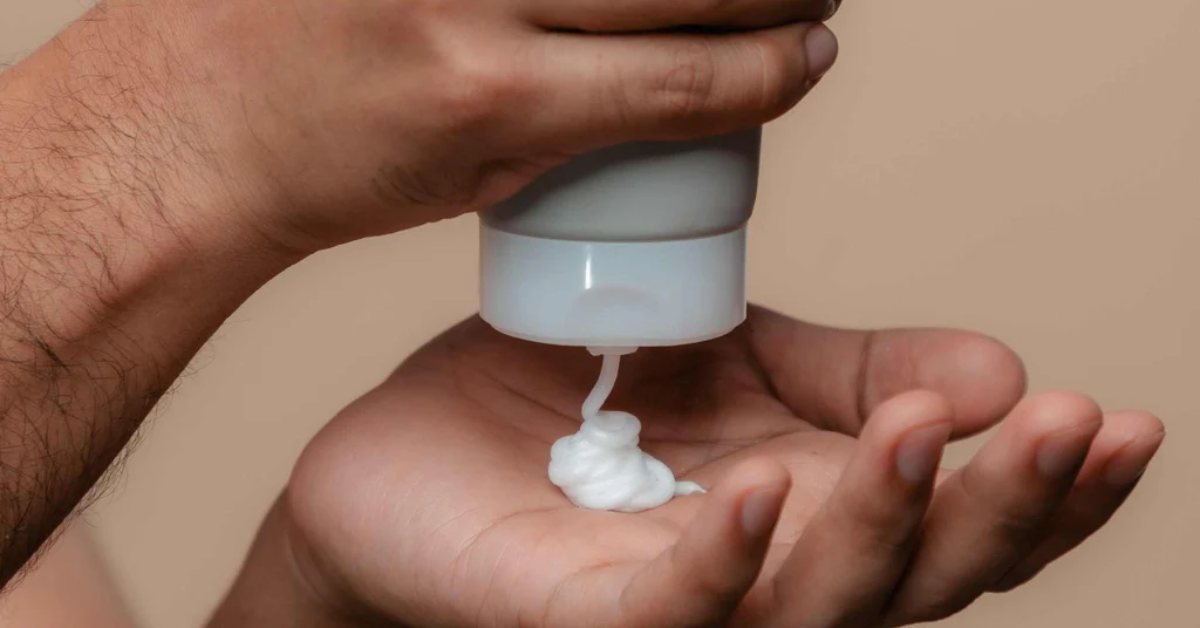
Yes, hydrocortisone can reduce inflammation and soothe sunburn discomfort.
Understanding Sunburn: The Basics
Sunburn is more than just a temporary annoyance; it’s the skin’s response to overexposure to ultraviolet (UV) rays. When the skin absorbs too much sun, it triggers an inflammatory response, leading to redness, swelling, and pain. The severity of a sunburn can vary widely depending on skin type, the duration of sun exposure, and the intensity of UV radiation. For some, it’s just a mild irritation that fades in a few days; for others, it can lead to severe blistering and peeling.
The immediate effects of sunburn are often uncomfortable. Skin can feel hot to the touch and may even sting or itch. Over time, as the body begins to heal itself, you might notice peeling skin as damaged cells slough off. Understanding these dynamics is crucial for effective treatment and prevention.
The Role of Hydrocortisone in Skin Care
Hydrocortisone is a topical corticosteroid used primarily for its anti-inflammatory properties. It works by reducing swelling, redness, and itching associated with various skin conditions like eczema, psoriasis, and dermatitis. Dermatology references list non-prescription 0.5 %–1 % hydrocortisone as an optional short-term remedy for mild, non-blistered sunburn when itching or swelling is prominent. However, controlled studies show that topical steroids provide little additional benefit for some people, so results can vary. Always stop if stinging worsens or after three days without improvement.
In-Depth Remedies & Smart Extras
| Remedy / Tool | Primary Upside | Caution / Pro Tip |
|---|---|---|
| 0.5 % vs 1 % hydrocortisone | Lower potency suits kids & face; 1 % offers stronger itch relief | Apply a thin layer 2–3 × daily for ≤ 3 days |
| Lidocaine-hydrocortisone combo sprays | Dual action: numbs + reduces swelling for small areas | Skip on large burns; may cause allergy |
| Silicone gel sheets | Lock in moisture, curb peeling, may fade post-burn spots | Use only after blisters resolve |
| Oral antihistamines (e.g., cetirizine) | Quiet nocturnal itch so you can sleep | May cause drowsiness—hydrate well |
| Antioxidant serums (vit C/E) | Neutralize free-radical damage, brighten post-burn spots | Wait 24 h until heat subsides; patch-test first |
| Photosensitizing meds check | Flags drugs that intensify sunburn (doxycycline, thiazides, etc.) | Ask your pharmacist about alternatives |
| UPF-rated rash-guard | Blocks > 94 % UV while healing | Choose a loose fit to avoid friction |
Hydrocortisone Strength, Dosing & Safe Application
Hydrocortisone comes in several strengths. For post-sunburn care you only need the mild end of the spectrum—0.5 % for sensitive zones and children, or 1 % for adult limbs and trunk. A pea-sized dollop covers an area roughly the size of two palms (the fingertip-unit rule). Apply a whisper-thin film two to three times per day and cap usage at 72 hours unless a clinician advises otherwise. Longer courses raise the odds of steroid acne and skin atrophy, even with weak preparations.
Pro tip: Store the tube in the refrigerator. A chilled application adds an instant cooling effect without extra ingredients.
If the burn is still fiery after three days, switch to pure moisturizers and consider an oral NSAID; lingering redness may signal a deeper dermal injury that steroids cannot fix.
Spot-Testing
Even OTC steroids can provoke contact dermatitis. Dab a test patch on the inner forearm first—especially if you have a history of eczema or fragrance allergy. Discontinue immediately if you feel increased prickling or see new redness extending beyond the original burn.
When Is Hydrocortisone Appropriate?
Hydrocortisone is typically recommended for mild cases of inflammation or irritation. If someone has a minor sunburn with slight redness but no blisters or severe pain, applying a low-strength hydrocortisone cream may provide some relief. It helps calm down the inflammatory response that leads to discomfort.
However, it’s crucial not to use hydrocortisone on open wounds or blistered skin since this could introduce bacteria and lead to infections. For those with more severe burns—characterized by deep redness, blistering, or intense pain—it’s best to consult a healthcare professional before using any topical treatments.
Alternatives to Hydrocortisone for Sunburn Relief
While hydrocortisone can offer some benefits in specific situations, there are many other remedies available that may be more effective for treating sunburns. Aloe vera is one of the most popular natural treatments known for its soothing properties. It hydrates the skin and provides cooling relief upon application.
Another alternative is over-the-counter pain relievers like ibuprofen or acetaminophen. These medications not only help reduce pain but also lower inflammation throughout the body. Additionally, applying cold compresses or taking cool baths can significantly alleviate discomfort associated with sunburns.
For those who prefer home remedies, oatmeal baths are an excellent option as they can soothe irritated skin while providing moisture. Various creams or lotions containing ingredients like chamomile or calendula may also offer relief without needing corticosteroids.
How Hydrocortisone Works: The Science Behind It
Hydrocortisone functions by mimicking cortisol—a hormone produced naturally by the adrenal glands that helps regulate various bodily functions including inflammation response. When applied topically, it penetrates the outer layer of skin and binds to specific receptors involved in inflammatory processes.
This binding action inhibits the release of substances that cause inflammation and immune responses in the area where it’s applied. As a result, symptoms such as redness and swelling diminish over time. However, while this mechanism works well for certain conditions like eczema or allergic reactions, its efficacy on sunburn should be carefully considered due to potential side effects with prolonged use.
Potential Side Effects of Using Hydrocortisone
Using hydrocortisone cream on sensitive areas like burned skin does come with risks. Prolonged use can lead to thinning of the skin (atrophy), which makes it more susceptible to damage from UV rays in the future—something that’s counterproductive when dealing with sun exposure issues.
Other side effects include increased risk of infections due to altered local immune responses and potential allergic reactions manifested as rashes or worsening irritation upon application. Therefore, moderation is key; using hydrocortisone sparingly may mitigate some risks while still providing benefits.
What to Avoid After a Sunburn
Topical Traps
- Benzocaine and other “-caine” anesthetic gels can trigger allergic reactions; opt for cool compresses instead.
- Petroleum-heavy ointments in the first 24 hours may trap heat—use lightweight, water-based lotions until skin cools.
- Retinoids and strong exfoliating acids accelerate peeling and can sting compromised skin.
Systemic Slip-Ups
- Alcohol or sauna sessions cause vasodilation, intensifying redness and delaying recovery.
- Photosensitizing prescriptions like tetracyclines, thiazide diuretics, and St John’s wort magnify UV damage—ask about temporary alternatives.
Re-Exposure Window
Your skin’s natural UV defenses need 36–48 hours to rebound after a burn. Treat that period as an “automatic shade rule”: full-coverage clothing, hat, and SPF 50+ even if you’re just driving.
The Importance of Prevention
As someone who has dealt with their fair share of sunburns over time, I’ve learned that prevention is always better than treatment after the fact. Wearing sunscreen with broad-spectrum protection against both UVA and UVB rays is essential when spending time outdoors—especially during peak sunlight hours between 10 AM and 4 PM.
Reapplying sunscreen every two hours (or more frequently if swimming or sweating) ensures continuous protection against harmful rays that contribute to skin damage over time—even when cloudy! Wearing protective clothing such as wide-brimmed hats or long-sleeved shirts also adds another layer of defense against harmful UV exposure.
Recognizing Severe Sunburn Symptoms
It’s vital to recognize when a sunburn escalates beyond mild irritation into something more serious that requires medical attention. Severe symptoms include intense pain that doesn’t improve with over-the-counter medications; large blisters covering significant areas of skin; fever; chills; nausea; or signs of dehydration like dizziness or dark urine.
If any of these symptoms occur after excessive sun exposure—especially among children—it’s best not to hesitate seeking professional medical advice! In such cases where hydration levels drop significantly due to fluid loss from damaged tissues—intravenous fluids might even be necessary alongside topical treatments.
What To Do After Getting Sunburned?
After realizing one has been burned by too much sunshine—there are several steps I’ve found helpful in promoting healing while minimizing discomfort:
- Cool Down: Taking cool showers or baths helps lower skin temperature while providing immediate relief from burning sensations.
- Moisturize: Applying fragrance-free moisturizers rich in aloe vera or hyaluronic acid aids hydration levels within damaged tissues.
- Stay Hydrated: Drinking plenty of water replenishes lost fluids due to increased perspiration levels during heat exposure.
- Avoid Further Sun Exposure: Keeping covered until healing occurs protects fragile new layers forming beneath damaged surfaces.
- Consider Pain Relief Options: Non-steroidal anti-inflammatory drugs (NSAIDs) can ease discomfort while reducing inflammatory responses throughout recovery phases.
By following these steps diligently after experiencing a burn incident—it becomes easier not only manage existing symptoms but also promote faster recovery overall!
Key Takeaways: Hydrocortisone and Sunburn
➤ Hydrocortisone eases inflammation and can reduce swelling and pain from mild sunburn.
➤ Use cautiously: avoid on open wounds or severe burns; consult a doctor first.
➤ Explore alternatives: aloe vera, cold compresses, and oral NSAIDs may provide better relief.
➤ Prevention is key: use sunscreen and protective clothing to avoid sunburn.
➤ Watch for severe symptoms: blisters, fever, chills, nausea, or dehydration require medical care.
Frequently Asked Questions: Hydrocortisone and Sunburn
Can hydrocortisone be used for sunburn treatment?
Yes, hydrocortisone can be used for sunburn treatment. It is effective in reducing inflammation and discomfort associated with mild sunburns. However, it should only be applied to areas without blisters or open wounds to avoid complications.
What are the benefits of using hydrocortisone on a sunburn?
The main benefit of using hydrocortisone on a sunburn is its ability to alleviate redness and swelling. It works by reducing the inflammatory response of the skin. This can lead to a decrease in pain and discomfort, helping individuals feel more comfortable during the healing process.
Are there any risks associated with using hydrocortisone on sunburn?
Using hydrocortisone on sunburned skin carries some risks. Prolonged use can lead to skin thinning, making it more vulnerable to UV damage. Additionally, there is a risk of infections if applied to broken skin. Therefore, moderation is key when using this treatment.
How does hydrocortisone compare to other sunburn treatments?
Hydrocortisone is one option among many for treating sunburn. Alternatives like aloe vera gel provide natural soothing effects without potential side effects associated with steroids. Pain relievers such as ibuprofen also help reduce inflammation and discomfort systemically, making them effective as well.
When should I consult a doctor about my sunburn?
If your sunburn is severe, characterized by extensive blistering or intense pain that does not improve with over-the-counter treatments, consult a healthcare professional. Additional symptoms like fever, chills, or dehydration indicate the need for medical attention. Early intervention can prevent complications.
Treatment Method Comparison
| Treatment Method | Effectiveness | Notes |
|---|---|---|
| Aloe Vera Gel | High | Natural soothing properties; hydrates skin. |
| Hydrocortisone Cream | Moderate | Reduces inflammation; avoid on broken skin. |
| Cold Compresses | High | Cools down heat; reduces pain temporarily. |
| Pain Relievers (e.g., Ibuprofen) | High | Eases pain & lowers inflammation systemically. |
| Oatmeal Baths | Moderate-High | Soothes irritated areas; provides moisture. |