
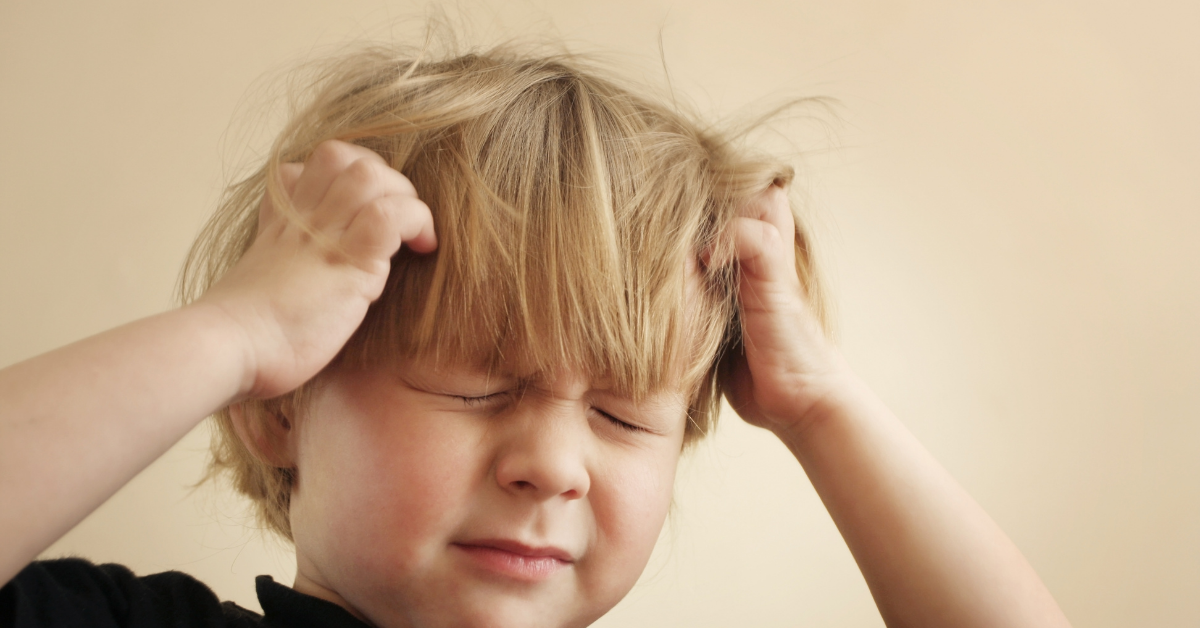
Yes, it is possible to get lice from a hair salon, especially if proper hygiene protocols are not followed.
The Basics of Lice Transmission
Lice are tiny parasitic insects that thrive on human blood. They are most commonly associated with children, but adults can also be affected. Understanding how lice spread is crucial for preventing infestations. Lice can be transmitted through direct head-to-head contact, which is why schools and crowded places often see outbreaks. However, many people wonder about less direct methods of transmission, particularly in settings like hair salons.
Lice do not jump or fly; they crawl from one host to another. They can survive for a short time off the human scalp, usually around 24 to 48 hours. This means that if you visit a hair salon where someone with lice has been recently treated or has used shared equipment, there is a risk of transmission.
Hair Salons and Lice Risk Factors
Hair salons can be a hotspot for lice transmission due to several factors:
Shared Equipment
Salons often use tools like combs, brushes, and scissors that come into direct contact with clients’ hair and scalps. If these tools are not properly sanitized between clients, they can harbor lice or their eggs (nits). While most professional salons adhere to strict hygiene standards, it’s still important for clients to be aware of the risks.
Close Proximity
In a salon environment, clients sit close together during treatments. This proximity increases the likelihood of head-to-head contact, which is one of the primary ways lice spread. If one client has lice and another sits nearby without any protective measures in place, there’s a higher chance of transmission.
Inadequate Cleaning Protocols
Not all salons maintain the same level of cleanliness. Some may cut corners when it comes to cleaning their tools and workspaces. If you suspect that a salon does not follow proper sanitation practices, it might be wise to reconsider your choice.
Salon Tools & Lice Survival Table
| Salon Tool / Surface | Required Disinfection (per state boards & EPA) | Max Lice Survival if NOT Disinfected* |
|---|---|---|
| Combs & Brushes | Wash, then immerse 10 min in EPA-registered solution (e.g., Barbicide 1:16) | ≤ 48 h on bristles |
| Hair-cutting Capes | Launder in ≥ 130 °F water & hot-dry cycle | ≤ 24 h in fabric folds |
| Clipper Guards & Shears | Clean debris, spray or immerse 10 min disinfectant | ≤ 36 h on hard plastic/metal |
| Shampoo Bowls & Chair Headrests | Wipe with EPA surface disinfectant; 2-minute contact time | ≤ 24 h on vinyl |
| Waiting-Area Upholstery | Vacuum; disinfectant fog or wipe daily | Up to 12 h on porous fabric |
*Survival times reflect worst-case laboratory data; real-world viability is often shorter.
Understanding Lice Lifecycles
| Lice Stage | Description | Duration |
|---|---|---|
| Nit (Egg) | Laid by adult female lice near the scalp. | 6 – 9 days before hatching. |
| Nymph (Juvenile) | Matured from nit; begins feeding on blood. | 7 – 10 days before becoming an adult. |
| Adult Louse | Fully grown; capable of laying more eggs. | 30 days on average; can live about 1 – 2 days off the host. |
Understanding this lifecycle helps illustrate why early detection and treatment are crucial. If a salon client unknowingly has nits or nymphs in their hair, they could easily pass them on through shared equipment or close interactions.
Signs and Symptoms of Lice Infestation
Recognizing the signs of lice infestation early can prevent further spread. Common symptoms include:
- Itching: The most noticeable symptom caused by an allergic reaction to louse bites.
- Visible Lice: Adult lice are small (about the size of a sesame seed) and may be seen crawling on the scalp.
- Nits: Tiny white or yellowish eggs attached to hair strands close to the scalp.
- Irritation: Red bumps or sores on the scalp due to scratching.
Preventive Measures at Salons
While the risk of getting lice at a salon exists, there are several preventive measures both clients and salon owners can take:
For Clients:
- Check reviews: Look for salons with positive feedback on cleanliness and hygiene practices.
- Bring your own tools: Consider bringing personal brushes or combs if you’re concerned about shared equipment.
- Inspect your hair: Before leaving the salon, check your hair for any signs of lice or nits.
For Salon Owners:
- Regular sanitization: Implement strict cleaning protocols for all tools used between clients.
- Staff training: Ensure staff members are trained to recognize signs of lice and understand proper sanitation practices.
- Client education: Inform clients about potential risks and encourage them to report any concerns immediately.
State Rules & Science Behind Salon Disinfection
Every U.S. state board of cosmetology spells out exactly how long a tool must stay submerged—or how many minutes a spray must remain wet—to neutralize pathogens, including lice. California, for instance, mandates a 10-minute immersion in an EPA-registered hospital-grade disinfectant for combs, brushes, and clipper guards. Similar regulations exist in Texas, Florida, and New York. When followed, that protocol kills lice and nits left on hard surfaces because the chemicals penetrate the soft exoskeleton and denature proteins in the egg case.
EPA-Registered Products That Work
Look for the blue Barbicide jar or its clear-spray counterpart on the station. Barbicide Concentrate at a 1:16 dilution achieves complete louse mortality within the required 10 minutes. For fabric items (capes, towels), 130 °F (54 °C) washing plus a full hot-air dry cycle is enough to desiccate both adults and nits.
Before Your Appointment: Smart Self-Prep
- Tie long hair up. A tight braid or bun reduces stray strands that might brush another client.
- Pack a personal detangler or comb. If the stylist agrees, swapping in your own tool removes the shared-brush variable entirely.
- Ask to observe their sanitizing routine. Reputable salons are proud to show compliance logs and fresh disinfectant baths; cloudy or hair-filled jars are red flags.
- Schedule off-peak. Mid-week mornings mean fewer heads in close quarters, trimming accidental contact risk.
After-Salon Self-Check: 48-Hour Window
Day 0 – 1
Once home, run a spotlight (or a bright phone torch) along the part line and behind each ear. Those are the warm zones lice settle first. No crawling dots? Great.
Day 2
Because any stray nit needs at least 6 days to hatch, a second check at the 48-hour mark is plenty. Slide a fine-toothed nit comb (metal is best) from scalp to tip. Wipe onto a white paper towel. Zero specks = peace of mind.
Myth-Buster Sidebar
- “Salons must shut down after one lice case.” Not true; most states allow operations to continue once the workstation is thoroughly disinfected and porous items laundered.
- “Chemical fumes alone kill lice.” Dry disinfectant sprays without the stated wet-contact time don’t penetrate the egg case.
- “Colour or perm chemicals kill lice.” While high-pH solutions can stun insects, many adults recover within hours; never rely on bleach or dye as treatment.
Treatment Options for Lice Infestation
Over-the-Counter Treatments
Many effective over-the-counter products contain active ingredients like permethrin or pyrethrin designed to kill adult lice and nits. Follow instructions carefully for optimal results.
Prescription Medications
In cases where over-the-counter treatments fail, prescription medications may be necessary. These often contain stronger active ingredients that target resistant strains of lice.
Nit Removal Combs
Using fine-toothed nit combs after treatment helps remove remaining nits from the hair shaft. This step is crucial since leftover nits can hatch into new lice.
The Role of Schools in Preventing Lice Spread
Schools play an essential role in managing and preventing outbreaks since children often bring lice home from various social settings, including salons. Implementing clear policies regarding head checks and communication with parents about potential infestations can help mitigate risks significantly. Schools should encourage parents to check their children’s heads regularly and report any cases promptly. This proactive approach helps keep outbreaks contained within classrooms.
Key Takeaways: Lice from Hair Salon
- Possible Transmission: Lice can spread in salons without proper hygiene.
- Shared Equipment Risk: Tools like combs can harbor lice if not sanitized.
- Close Proximity: Sitting near others increases the chance of head-to-head contact.
- Signs of Infestation: Look for itching, visible lice, and nits on hair strands.
- Preventive Measures: Follow proper sanitation and personal precautions to lower risk.
Frequently Asked Questions: Can You Get Lice From A Hair Salon?
Can lice be transmitted in hair salons?
Yes, lice can be transmitted in hair salons, especially if hygiene protocols are not strictly followed. Lice primarily spread through direct contact, but they can also be transferred via shared tools that have not been sanitized properly.
What are the signs of lice infestation after visiting a salon?
Common signs of lice infestation include itching, which is caused by allergic reactions to bites. You may also find visible adult lice or tiny nits attached to hair strands close to the scalp. Red bumps or irritation may appear due to scratching.
How long can lice survive off a human host?
Lice can survive for up to 48 hours off a human host. This means they can potentially linger on shared salon equipment, such as combs and brushes, making it important for salons to maintain strict cleaning standards.
What preventive measures can clients take at salons?
Clients can take several preventive measures to avoid lice at salons. Bringing personal tools, like brushes and combs, is advisable. Additionally, checking reviews of the salon’s hygiene practices can provide insights into their sanitation methods.
What should salon owners do to prevent lice transmission?
Salon owners should implement regular sanitization protocols for all tools between clients. Training staff to recognize signs of lice and educating clients about potential risks are also crucial steps in preventing infestations.
Conclusion – Can You Get Lice From A Hair Salon?
Yes, you can get lice from a hair salon if proper hygiene practices aren’t followed. The risk increases with shared equipment and close proximity during treatments. By being aware of this possibility and taking preventive measures—whether as a client or salon owner—you can significantly reduce your chances of experiencing an infestation. Regular checks at home combined with awareness about how lice spread will help keep you safe while enjoying your next visit to the salon!