
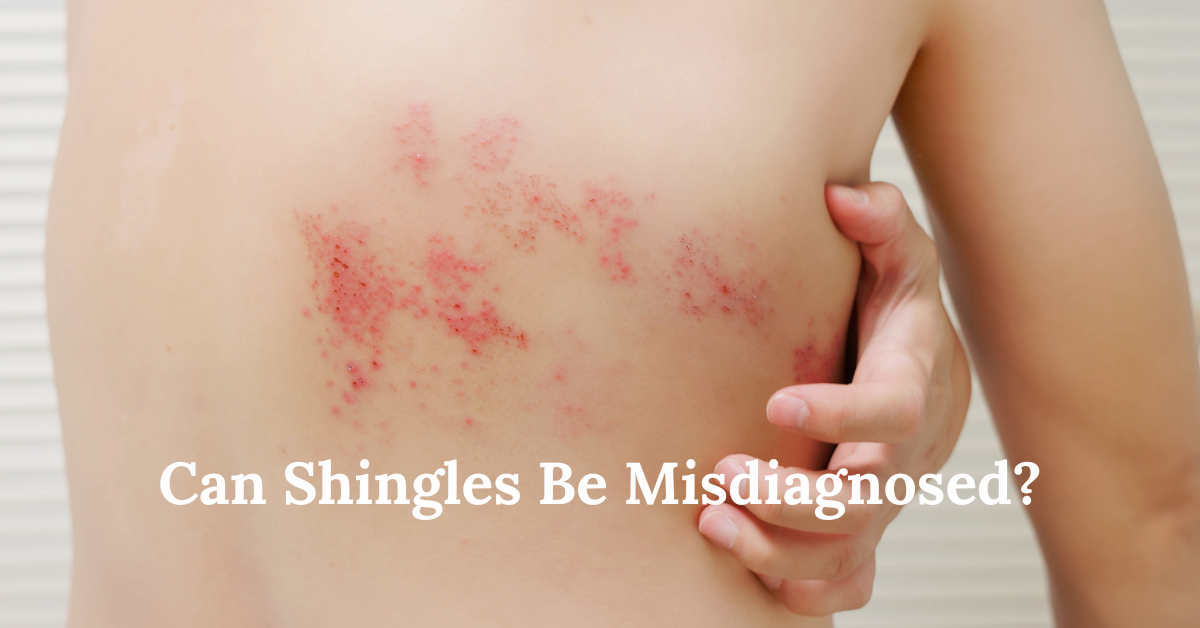
Yes, shingles can be misdiagnosed due to its overlapping symptoms with other skin conditions, making accurate diagnosis sometimes difficult.
The Complexity of Shingles
Shingles, or herpes zoster, is a viral infection that can leave a lasting impact on those who experience it. It’s caused by the reactivation of the varicella-zoster virus, which also causes chickenpox. The symptoms often include a painful rash that typically appears on one side of the body. But here’s where it gets interesting: the symptoms can sometimes mimic other conditions, leading to misdiagnosis. The question arises: can shingles be misdiagnosed? Absolutely. Many people find themselves facing the wrong treatment due to overlapping symptoms with other conditions like herpes simplex, contact dermatitis, or even certain types of eczema.
The complexity of shingles lies not only in its symptoms but also in how individuals react to the virus. Some may experience mild discomfort while others endure severe pain and complications. This variance adds another layer to the potential for misdiagnosis. When healthcare providers encounter a patient with unusual skin symptoms and pain, they might not immediately consider shingles, especially if the patient has not had chickenpox or is younger than 50 years old. This oversight can lead to inappropriate treatments that fail to address the underlying issue.
Other Conditions That Mimic Shingles
| Condition | Key Features That Mimic Shingles | Distinguishing Clues |
|---|---|---|
| Zoster Sine Herpete (Shingles without rash) | Nerve pain, burning or tingling in a dermatomal pattern | No rash; confirmed by PCR or IgM antibody testing |
| Lyme Disease | Nerve pain and occasional skin rashes | Erythema migrans rash; serologic tests |
| Cellulitis or Impetigo | Blisters, redness, pain in affected skin | Bacterial signs (warmth, pus, fever); not nerve-specific |
| Psoriasis/Eczema | Itchy, red, patchy rashes | Often chronic, scaly patches; joint involvement in psoriasis |
| Pityriasis Rosea | Mild itching with “Christmas tree” pattern rash | Herald patch, self-limiting, less painful than shingles |
Common Symptoms of Shingles
Recognizing shingles is crucial for timely treatment and relief from discomfort. The initial signs often include a tingling sensation or pain in a specific area, followed by a rash that develops into fluid-filled blisters. As these blisters burst and crust over, they can cause significant itching and discomfort. The rash usually appears in a band-like pattern on one side of the torso but can also affect other areas such as the face or limbs.
A common misconception is that shingles only affects older adults; however, anyone who has had chickenpox can develop it later in life. Weakened immune systems are clear risk factors for reactivation, and psychological stress may contribute by suppressing immunity—though research is still developing on its exact role. Many people might mistake early shingles symptoms for something less serious, like an insect bite or allergic reaction, which contributes to the question: can shingles be misdiagnosed? The answer is yes; many patients may go weeks without receiving appropriate care due to incorrect diagnoses based on initial symptoms.
Conditions That Mimic Shingles
There are several conditions that can easily be mistaken for shingles due to overlapping symptoms:
| Condition | Key Symptoms | Misdiagnosis Risk |
|---|---|---|
| Herpes Simplex Virus (HSV) | Painful blisters around mouth/genitals | Similar blistering pattern; may confuse diagnosis. |
| Contact Dermatitis | Red rash with itching/burning sensation | Mimics initial rash appearance; often attributed to allergens. |
| Eczema (Atopic Dermatitis) | Itchy patches; dry skin | Persistent itchiness may lead to confusion with shingles. |
| Pityriasis Rosea | Rash in a “Christmas tree” pattern | Similar appearance; considered benign but often misdiagnosed. |
| Bacterial Infections (e.g., Impetigo) | Fluid-filled blisters; redness around sores | Mimics shingles rash; requires different treatment. |
Understanding these conditions helps clarify why someone might ask: can shingles be misdiagnosed? Each condition presents unique challenges in diagnosis due to overlapping characteristics. For instance, while herpes simplex virus infections typically occur around mucous membranes, they share blistering features with shingles that could confuse even seasoned healthcare professionals.
When the Rash Fails to Appear: Hidden Shingles (Zoster Sine Herpete)
Sometimes shingles shows up without any rash—that’s called zoster sine herpete or internal shingles. You’ll still feel nerve pain, tingling, or burning in a dermatome. Since there’s no visible rash, it’s easy to dismiss or mislabel it as muscle strain, neuralgia, appendicitis, or migraine-like symptoms.
Diagnosis requires lab work—PCR or antibody testing for the varicella-zoster virus. Early antiviral treatment and pain control are key because delays can lead to postherpetic neuralgia (PHN), which affects a notable percentage of cases. This makes awareness vital for both patients and clinicians.
The Role of Medical History
A thorough medical history is essential when diagnosing any condition, particularly for something as nuanced as shingles. Patients should provide detailed information about their previous health issues and any recent stressors or illnesses that could have triggered their current symptoms. If someone has experienced chickenpox in childhood or has been vaccinated against it, this history plays a critical role in determining whether shingles is a possibility.
However, many people underestimate how much their medical history matters during consultations. A lack of communication about past illnesses might lead practitioners down an incorrect diagnostic path. For instance, if someone presents with a painful rash but doesn’t mention their history with chickenpox due to embarrassment or forgetfulness, they risk being misdiagnosed entirely. This situation highlights again that yes, indeed—can shingles be misdiagnosed? Definitely.
Less-Common Imposters
Lyme Disease
Lyme disease can sometimes present with nerve pain or a rash and be confused with shingles. One distinguishing factor is the presence of a “bull’s-eye” rash (erythema migrans) and the history of a tick bite. Blood testing is used for confirmation, and the treatment protocol involves antibiotics, not antivirals.
Cellulitis & Impetigo
These bacterial skin infections cause redness, warmth, and pus-filled blisters, often mistaken for shingles. However, their distribution usually doesn’t follow a dermatomal pattern, and the presence of fever or systemic symptoms can help differentiate them. Treatment involves antibiotics, not antivirals.
The Importance of Diagnostic Tests
In some cases where visual examination isn’t enough to confirm a diagnosis, healthcare providers may rely on laboratory tests such as polymerase chain reaction (PCR) tests or direct fluorescent antibody tests (DFA). These tests help identify the varicella-zoster virus specifically and differentiate it from other potential culprits.
While some practitioners may feel confident diagnosing based solely on clinical presentation—especially if classic signs are evident—others may opt for further testing if there’s any uncertainty about whether it’s truly shingles or another condition entirely. This cautious approach is wise given how easily conditions can overlap and lead one down an incorrect treatment path.
If there’s any doubt about what’s causing those pesky blisters and pain, testing provides clarity and ensures appropriate treatment starts right away rather than waiting for trial-and-error methods that could prolong suffering unnecessarily.
Diagnosis Beyond Visual Exam
Dermatomal Pain Without Rash
The telltale “belt” or strip pattern helps, but only if visible. With internal shingles or early-stage cases, lab confirmation is important. PCR from lesion fluid or blood and IgM serology are highly reliable.
When to Consider a Biopsy or Blood Panel
If the rash is atypical, widespread, or accompanied by systemic signs (fever, swollen lymph nodes), blood tests or a skin biopsy may help distinguish shingles from psoriasis, eczema, pityriasis rosea, secondary syphilis, or even drug eruptions.
Treatment Options for Shingles
Once diagnosed correctly as shingles—assuming no complications arise—the focus shifts toward managing symptoms effectively while minimizing the duration of the outbreak itself. Antiviral medications like acyclovir or valacyclovir are commonly prescribed within 72 hours of symptom onset for maximum effectiveness.
Pain management is also crucial since postherpetic neuralgia—a condition where nerve pain persists long after the rash has healed—is common among those who’ve had shingles. Over-the-counter pain relievers such as ibuprofen or acetaminophen help alleviate discomfort during outbreaks while topical treatments provide additional relief from itching sensations associated with rashes.
In more severe cases where pain becomes unbearable despite standard treatments being utilized at home—prescription medications like gabapentin may come into play depending on individual circumstances involved with each patient’s unique case history leading up until diagnosis confirmation.
Treatment Timing & PHN Prevention
Antivirals—acyclovir, valacyclovir, famciclovir—are most effective when started within 72 hours of rash onset. Early treatment can shorten the duration and reduce nerve pain risk.
For moderate to severe cases, add pain relievers like NSAIDs, acetaminophen, gabapentin, or lidocaine patches. Severe pain may require opioids or nerve blocks. Early aggressive pain control lowers the chance of postherpetic neuralgia.
Preventive Measures Against Shingles Misdiagnosis
Taking proactive steps toward prevention makes sense! Awareness around symptoms associated specifically with shingles allows individuals better recognition skills when seeking medical attention should issues arise later down life’s winding road ahead! Education empowers patients enabling them not only advocate effectively during appointments but also communicate openly about concerns needing addressing promptly without hesitation!
Healthcare providers must remain vigilant too! Staying updated regarding emerging research findings related directly back towards accurate diagnostics ensures optimal care delivered consistently across various populations served within communities everywhere! Regular training sessions focusing specifically on recognizing signs/symptoms associated uniquely with herpes zoster could make all difference between timely intervention versus unnecessary delays resulting from misguided assumptions made initially during consultations!
Incorporating vaccination into preventive strategies significantly reduces risks associated directly linked back towards developing future outbreaks altogether! The CDC recommends getting vaccinated against chickenpox early in life followed by subsequent boosters later down line once reaching adulthood ages 50+ years old—this approach effectively lowers chances contracting varicella-zoster virus altogether thus minimizing potential complications arising thereafter including painful episodes related specifically back towards postherpetic neuralgia!
Key Takeaways: Shingles Misdiagnosis
➤ Shingles Symptoms: Shingles can mimic other conditions, complicating diagnosis.
➤ Common Misdiagnoses: Conditions like HSV and eczema often confuse healthcare providers.
➤ Importance of History: A thorough medical history is crucial for accurate diagnosis.
➤ Diagnostic Tests: Tests like PCR can confirm shingles when symptoms are unclear.
➤ Risk Factors: Weakened immunity is a known trigger; stress may contribute indirectly.
Frequently Asked Questions: Can Shingles Be Misdiagnosed?
What are the common symptoms of shingles that could lead to misdiagnosis?
Common symptoms of shingles include a painful rash, tingling sensation, and fluid-filled blisters. These symptoms can be mistaken for conditions like herpes simplex or contact dermatitis. The rash typically appears in a band-like pattern, but its presentation can vary, complicating accurate diagnosis.
How does medical history affect the diagnosis of shingles?
A thorough medical history is crucial in diagnosing shingles. If a patient has had chickenpox or related illnesses, this information helps healthcare providers consider shingles as a potential diagnosis. Omitting such details can lead to misdiagnosis and inappropriate treatment for the actual condition.
What role do diagnostic tests play in confirming shingles?
Diagnostic tests like polymerase chain reaction (PCR) tests are vital for confirming shingles. These tests help differentiate the varicella-zoster virus from other conditions with similar symptoms. When visual examination is inconclusive, testing provides clarity and ensures timely treatment initiation.
What conditions are commonly mistaken for shingles?
Conditions such as herpes simplex virus infections, contact dermatitis, eczema, and pityriasis rosea share overlapping symptoms with shingles. Their similar presentations can confuse both patients and healthcare providers, increasing the risk of misdiagnosis and delaying appropriate care.
How can patients advocate for accurate diagnosis of shingles?
Patients can advocate for accurate diagnosis by being proactive about their health. They should communicate openly with healthcare providers about their symptoms and medical history. Additionally, understanding the characteristics of shingles empowers patients to seek timely evaluation when necessary.
Conclusion: Can Shingles Be Misdiagnosed?
The answer remains clear: yes—can shingles be misdiagnosed? It happens more often than many realize. The overlap of symptoms with other skin and nerve-related conditions makes accurate diagnosis a genuine challenge—even for experienced professionals. Misdiagnosis can delay proper treatment, prolong pain, and increase the risk of complications like postherpetic neuralgia.
That’s why awareness matters. Recognizing the signs of shingles, understanding which other conditions can mimic it, and communicating your full medical history to your provider are essential steps in getting the right care. Likewise, healthcare professionals must remain thorough and open to using diagnostic tools when visual symptoms aren’t definitive.
Ultimately, when patients stay informed and doctors stay attentive, the chances of catching shingles early—and managing it effectively—go way up. That combination of vigilance, clear communication, and timely action can make all the difference in the outcome.