
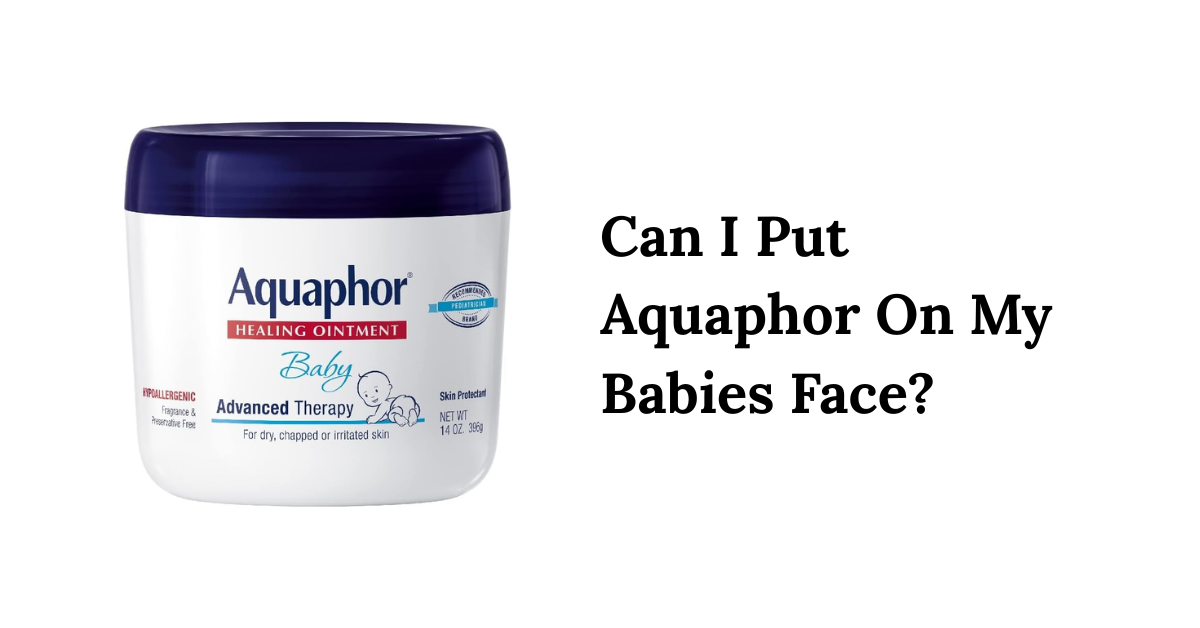
Aquaphor is generally safe for use on babies’ faces to relieve dryness and irritation, but consult your pediatrician for personalized advice.
Understanding Aquaphor: What Is It?
Aquaphor is a widely recognized healing ointment that has been a staple in many households, especially those with babies. Formulated primarily with petrolatum, it works as an occlusive agent, creating a barrier that locks in moisture and protects the skin from external irritants. This makes it particularly effective for treating dry, cracked skin and minor cuts or burns.
The product also contains other beneficial ingredients such as glycerin, which draws moisture to the skin, and panthenol, known for its soothing properties. Because of its gentle formulation, many parents consider Aquaphor a go-to solution for various skin issues their little ones might face.
Why Parents Consider Using Aquaphor on Babies’ Faces
Parents often seek out Aquaphor for their babies due to its versatility. Here are some common reasons:
- Dry Skin Relief
Babies can suffer from dry skin just like adults. Factors such as cold weather, indoor heating, or even certain fabrics can contribute to this condition. Aquaphor’s thick consistency helps to hydrate the skin effectively. - Diaper Rash Prevention
While primarily used on the face, many parents apply it to areas prone to diaper rash. The protective barrier it creates can help prevent irritation from wet diapers. - Eczema Management
Eczema is a common condition in infants characterized by red, itchy patches of skin. Aquaphor can help soothe these areas by keeping them moisturized and protected. - Chapped Lips
Just like adults, babies can experience chapped lips, especially during colder months or when they are teething. A small amount of Aquaphor can provide instant relief.
Quick-Glance Guide to Common Infant Facial Skin Issues
| Condition | What It Looks Like | First-Line Home Care |
|---|---|---|
| Drool Dermatitis | Shiny redness around mouth & chin, sometimes crusty | Pat area dry; apply petrolatum or Aquaphor before feeds |
| Cold-Wind Chapping | Pink to bright-red cheeks that feel rough | Thick occlusive layer before outdoor exposure |
| Seborrheic “Cradle-Cap” on Brows | Yellow, greasy flakes in eyebrows & scalp edge | Gentle shampoo; soft-brush lift; light ointment after bath |
| Milia | Tiny white pearls on nose & cheeks | Leave alone; clears in weeks |
| Impetigo (needs doctor!) | Honey-colored crusts, spreads quickly | See pediatrician; topical antibiotics |
Is It Safe to Use Aquaphor on My Baby’s Face?
The question “Can I Put Aquaphor On My Babies Face?” arises frequently among new parents concerned about their child’s delicate skin. Generally speaking, yes, it is safe to use Aquaphor on your baby’s face; however, there are some considerations to keep in mind.
Skin Sensitivity
Babies have sensitive skin that requires extra care. While most children tolerate Aquaphor well, it’s always best to perform a patch test first. Apply a small amount of the ointment on an inconspicuous area of your baby’s skin and wait 24 hours to see if any adverse reactions occur.
Consulting Your Pediatrician
Before applying any new product on your baby’s face—especially if they have existing skin conditions like eczema or allergies—consulting with your pediatrician is crucial. They can offer tailored advice based on your baby’s specific needs.
How to Apply Aquaphor Safely
If you’ve decided that using Aquaphor is right for your baby’s face, here’s how you can do it safely:
- Clean the Area
Start with clean hands and ensure your baby’s face is free from dirt and other products. Use a gentle cleanser suitable for infants if necessary. - Use a Small Amount
A little goes a long way with Aquaphor due to its thick consistency. Take a pea-sized amount and warm it between your fingers before applying. - Apply Gently
Using your fingertips, gently massage the ointment into the areas needing attention without rubbing too hard. - Monitor for Reactions
After application, keep an eye on your baby’s skin for any signs of irritation or allergic reactions over the next few hours or days.
Aquaphor vs Other Moisturizers: What Sets It Apart?
| Product Type | Main Ingredients | Best For | Texture | Scented/Unscented |
|---|---|---|---|---|
| Aquaphor Healing Ointment | Petrolatum, Glycerin, Panthenol | Dry Skin Relief & Protection | Thick & Greasy | Unscented |
| Cetaphil Moisturizing Cream | Aqua (Water), Glycerin, Petrolatum | Sensitive Skin Hydration | Creamy & Smooth | Slightly Scented |
| Eucerin Baby Cream | Aqua (Water), Glycerin, Mineral Oil | Baby Eczema Treatment | Creamy & Light | Slightly Scented |
Aquaphor stands out due to its unique formulation that provides an effective barrier against moisture loss while also being free from fragrances and dyes that could irritate sensitive baby skin.
The Benefits of Using Aquaphor on Your Baby’s Face
- Versatility in Application
Aquaphor isn’t just limited to facial use; it’s beneficial for various body parts including elbows and knees where dry patches often appear. - Forms a Long-Lasting Barrier
Aquaphor’s petrolatum base sits on top of the skin, creating a protective, slightly greasy film that locks water in for hours. That “slugging” effect is ideal for dry patches—even if it feels tacky to the touch. - Non-Irritating Formula
The absence of fragrances means reduced risk of allergic reactions or irritations—a significant concern when dealing with infant skincare products.
Seasonal Protection Strategies for Baby Faces
Winter (Dec – Feb)
Low humidity strips moisture fast. Apply a pea-sized film of Aquaphor on cheeks, nose tip, and chin 15 minutes before leaving the house. The petrolatum layer keeps water from escaping.
Hot–Humid Months (Mar – Oct)
High sweat rates mean lighter touch. Switch to once-daily application at night so pores aren’t occluded while baby perspires. If heat rash appears, pause ointments and use a breathable cotton bib to wick drool.
Rainy Season & Monsoon Dust
Fine particles stick to moist skin. Cleanse with lukewarm water and mild, fragrance-free cleanser, pat dry, then seal in hydration. Frequent wiping alone can break the barrier; adding ointment afterwards reduces irritant contact time.
How Much Is Too Much? Getting the Dosage Right
Dermatologists describe an easy finger-tip unit (FTU) rule for ointments: squeeze a ribbon that runs from the tip of an adult index finger to the first crease—about 0.3 g. One FTU covers your baby’s entire face. Applying more doesn’t add benefit; it simply transfers onto clothes and may trap heat. For routine moisture, one FTU twice daily is plenty; increase briefly during a flare (e.g., windburn) if pediatrician approves.
Pediatrician Recommendations: When Not To Use Aquaphor?
While most babies can safely use Aquaphor on their faces without issue, there are exceptions where caution should be exercised:
- Open Wounds or Infections
If your baby has open cuts or suspected infections on their face—such as impetigo—it’s best not to apply any ointments until cleared by a healthcare professional. - Known Allergies
If you know that your child has allergies related specifically to any ingredient found in Aquaphor (though rare), avoid using it altogether.
Red Flags That Mean It’s Time to Switch Products
Even the gentlest ointment won’t suit every infant forever. Watch for:
- Persistent bumps or pustules after three days—could signal acne worsening or yeast overgrowth.
- Stubborn oozing patches that don’t dry inside 24 hours—possible impetigo; stop occlusives and call your doctor.
- Lanolin sensitivity signs (red, itchy border where ointment ends). In that case, a pure petrolatum jelly or mineral-oil cream may be safer.
Aquaphor Alternatives: What Else Can You Use?
If you’re looking for alternatives but still want something effective for moisturizing your baby’s face consider these options:
- Coconut Oil: A natural moisturizer known for its antibacterial properties.
- Shea Butter: Rich in vitamins A and E; great for hydration.
- Natural Baby Lotions: Look for those specifically formulated without parabens and sulfates.
Each alternative comes with its own set of benefits, but remember always check with a healthcare provider before making any changes in products used on delicate baby skin.
Moms Share Their Experiences With Aquaphor!
Sarah L., Mom of Two: “Aquaphor saved my daughter during winter months when her cheeks got so chapped! Just a dab before we went outside made all the difference.”
Jessica T., New Parent: “I was hesitant at first because I heard mixed reviews about using ointments on baby faces but after trying it myself I was pleasantly surprised!”
These testimonials highlight how beneficial this product can be when used correctly!
Key Takeaways: Aquaphor on Babies’ Faces
➤ Safe for Use: Aquaphor is generally safe for babies’ faces; consult a pediatrician.
➤ Moisture Barrier: It creates a protective barrier to lock in moisture effectively.
➤ Versatile Application: Suitable for various skin issues like dry skin and diaper rash.
➤ Patch Test Recommended: Always perform a patch test to check for skin sensitivity.
➤ Consult Pediatrician: Seek professional guidance for persistent or severe skin concerns.
Frequently Asked Questions: Can I Put Aquaphor On My Babies Face?
Is Aquaphor safe for all babies’ faces?
Aquaphor is generally safe for most babies. However, skin sensitivity varies among infants. It’s crucial to perform a patch test before widespread application. If your baby has a history of skin issues or allergies, consult your pediatrician first to ensure it’s suitable for them.
Can Aquaphor help with baby acne?
Petroleum-based ointments are not usually recommended for baby acne. They can trap excess oil and make the bumps look redder. Instead, keep the face clean, pat it dry, and let the acne resolve on its own unless your pediatrician suggests otherwise. If hydration is needed around the rash, use a lightweight, non-comedogenic lotion approved by your doctor.
How often can I apply Aquaphor to my baby’s face?
You can apply Aquaphor as needed, typically once or twice daily. Monitor your baby’s skin condition and adjust frequency based on their hydration needs. Avoid overuse to prevent potential buildup on the skin, which could lead to clogged pores.
What are the signs that my baby is having a reaction to Aquaphor?
Signs of a reaction may include redness, swelling, or increased irritation in the applied area. If you notice any of these symptoms after using Aquaphor, discontinue use immediately and consult your pediatrician for further guidance.
Can I use Aquaphor on my baby’s face if they have eczema?
Aquaphor is often recommended for babies with eczema due to its moisturizing and protective properties. However, it’s essential to consult your pediatrician if your baby has severe eczema or other skin conditions before using any new products.
Conclusion – Can I Put Aquaphor On My Babies Face?
In summary, yes—you can safely use Aquaphor on your baby’s face under most circumstances! Its hydrating properties make it an excellent choice for treating dry patches while providing essential protection against environmental factors that could irritate delicate skin surfaces. Always remember, though, that consulting with your pediatrician before introducing new products into their skincare routine ensures you’re making decisions tailored specifically toward what’s best suited for your little one!