
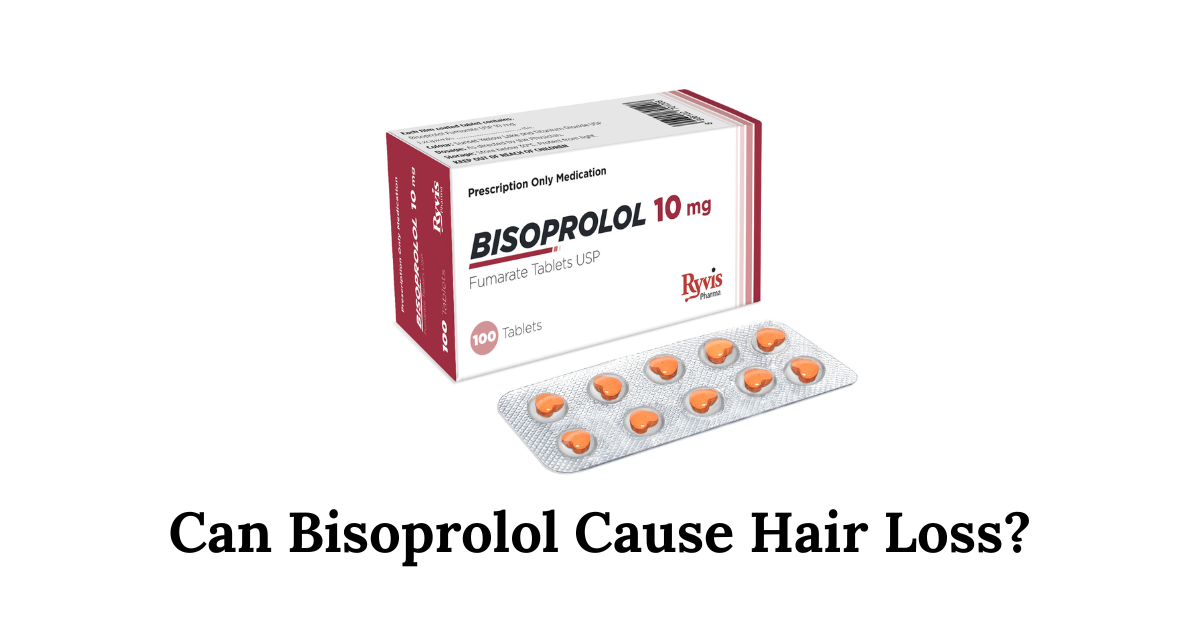
Yes, some individuals may experience hair loss while taking bisoprolol.
Understanding Bisoprolol and Its Uses
Bisoprolol is a medication that belongs to a class of drugs known as beta-blockers. It’s primarily used to manage hypertension and heart-related conditions, such as heart failure and arrhythmias. This medication works by blocking the effects of adrenaline on the heart, leading to a decrease in heart rate and blood pressure. For many people, bisoprolol is a lifesaver, helping them lead healthier lives while managing their cardiovascular issues.
The journey to finding the right treatment can be daunting. Often, patients are prescribed bisoprolol after other medications have failed or when their conditions require more stringent management. While it’s generally well-tolerated, like any medication, it does come with potential side effects. Some of those side effects can be quite concerning, leading individuals to wonder about the long-term implications of their treatment.
The Connection Between Medications and Hair Loss
Hair loss is a distressing issue for many people, and it can stem from various sources. Stress, genetics, hormonal changes, and medical conditions all play significant roles in hair health. Medications are also known culprits; they can affect hair-growth cycles directly or indirectly.
In the realm of pharmaceuticals, certain drugs are notorious for causing hair loss. Chemotherapy agents are perhaps the most well-known examples due to their aggressive action against rapidly dividing cells. However, other classes of medications can also contribute to this issue. Beta-blockers like bisoprolol have been reported in some cases to lead to hair thinning or loss.
Understanding how medications influence hair follicles is crucial. The hair-growth cycle consists of three phases: anagen (growth), catagen (transition), and telogen (rest). Any disruption in this cycle can lead to hair shedding or thinning. So when pondering “Can Bisoprolol Cause Hair Loss?”, it’s essential to consider how this medication might interfere with these natural processes.
Investigating Reports of Hair Loss with Bisoprolol
When delving into reports surrounding bisoprolol and hair loss, it’s vital to examine clinical data alongside anecdotal evidence from patients. Some studies have suggested a correlation between beta-blocker use and alopecia (hair loss). However, these findings are often mixed and sometimes inconclusive.
Anecdotal reports from patients provide insight into personal experiences with bisoprolol. Some individuals have noted noticeable changes in their hair density after starting treatment with this medication. Others report no such issues at all. This variance highlights an essential point: responses to medications can be highly individualistic.
To better understand this phenomenon, researchers often look at the potential mechanisms behind how beta-blockers might impact hair follicles. One theory suggests that these medications could affect blood flow to the scalp or alter hormone levels that influence hair-growth patterns.
The Science Behind Hair Loss Mechanisms
Hair follicles are sensitive structures that respond not only to hormonal fluctuations but also to changes in blood supply and nutrient delivery. Beta-blockers like bisoprolol may potentially affect these factors in several ways.
Beta-blockers such as bisoprolol lower arterial pressure primarily by slowing the heart and decreasing cardiac output, while also suppressing renal renin release; they do not directly dilate peripheral blood vessels the way vasodilators or ACE inhibitors do. Consequently, any impact on scalp perfusion is indirect and usually minimal.
Hormonal balance plays a crucial role too; medications that alter hormone levels might trigger changes in the telogen phase of the hair-growth cycle. In some cases, this could lead to premature shedding of hairs that would otherwise remain healthy for longer periods.
It’s worth noting that not everyone will experience these side effects; many continue taking bisoprolol without noticing any change in their hair health whatsoever. The variability among individuals points toward genetic predispositions or other underlying health factors that could influence how one reacts to the medication.
Common Side Effects of Bisoprolol
| Side Effect | Description |
|---|---|
| Fatigue | Feeling unusually tired or weak. |
| Dizziness | A sensation of lightheadedness or imbalance. |
| Cold Extremities | Hands and feet may feel colder than usual. |
| Bradycardia | A slower-than-normal heart rate. |
| Hair Loss | Possible thinning or shedding of hair. |
The Role of Genetics in Hair Health
Genetics play an undeniable role in determining one’s susceptibility to hair loss. Conditions like androgenetic alopecia—commonly known as male or female pattern baldness—are inherited traits that affect millions worldwide. Those who have family histories of baldness may find themselves more prone to experiencing similar issues regardless of their medication regimen.
Interestingly enough, even if bisoprolol has been linked with hair loss in some cases, individuals who are genetically predisposed may notice these effects more acutely than others who do not share such familial traits.
The interplay between genetics and environmental factors creates a complex web influencing overall health outcomes—including how one’s body responds to medications like bisoprolol. For instance, stress levels can exacerbate genetic tendencies toward thinning hair; thus, someone under significant stress might find themselves losing more hair than usual while on treatment.
Coping Strategies for Managing Hair Loss
For those who suspect that “Can Bisoprolol Cause Hair Loss?” applies to their situation, there are several strategies available for managing this distressing symptom without necessarily discontinuing treatment altogether.
First off, consulting with healthcare providers is paramount before making any changes to medication regimens. They may suggest alternatives if bisoprolol proves problematic concerning hair health or recommend adjunct therapies aimed at promoting regrowth.
Incorporating supplements known for supporting healthy hair growth—such as biotin or zinc—can also be beneficial for some individuals looking for ways around potential side effects associated with beta-blockers.
Moreover, practicing good scalp hygiene can help maintain follicle health while mitigating excess shedding caused by stressors related directly or indirectly linked with medication use.
Stress-management techniques such as yoga or meditation might also prove useful since psychological strain often correlates with increased rates of shedding regardless of underlying causes rooted within pharmacological treatments like bisoprolol itself.
Lastly—and perhaps most importantly—remaining patient throughout this process is crucial; understanding that individual experiences vary widely will help manage expectations during what could otherwise become an anxious time when grappling with unexpected changes in appearance due solely (or partially) upon prescribed treatments taken regularly over months’ timeframes!
Comparing Blood-Pressure Drugs Through a Hair-Health Lens
Hair-Loss Risk Across Common Antihypertensives
| Drug / Class | Hair-Loss Incidence* | Practical Take-away |
|---|---|---|
| Bisoprolol (β-blocker) | Very rare (<0.01 %) | Monitor; reversible on withdrawal. |
| Metoprolol (β-blocker) | Rare case reports | Similar profile to bisoprolol. |
| Amlodipine (Ca-channel blocker) | Scattered reports | Risk lower than β-blockers. |
| Ramipril (ACE inhibitor) | Occasional cases | Usually mild and self-limiting. |
| Losartan (ARB) | Not recognised | Good option if hair loss is a concern. |
*Incidence rounded from prescribing-information and post-marketing data.
Why the Same Drug Affects People Differently
Pharmacogenomics is the wildcard. Tiny variations in genes encoding β-adrenergic receptors or drug-metabolising enzymes (notably CYP2D6) can change how much active drug reaches the follicle, explaining why your neighbour may keep thick hair on bisoprolol while you shed more in the shower. Age, concomitant medicines, thyroid status, and iron stores add further layers. Mapping these factors with your clinician often uncovers a reversible trigger long before you need to abandon a lifesaving therapy.
Evidence-Based Lifestyle Tweaks That Complement Medication
- Protein-rich breakfasts: Hair shafts are 90 % keratin; starting the day with 20–30 g of lean protein (egg whites, Greek yoghurt) supports anagen activity.
- Stress dosing: A ten-minute daily mindfulness or breathing drill dampens cortisol spikes that can shove follicles into telogen.
- Ferritin check-up: Serum ferritin below ~30 ng/mL correlates with diffuse shedding in women; correcting iron stores often reverses loss even when the original trigger is a drug.
Collectively, these tweaks give follicles the best possible substrate while pharmacological kinks are ironed out.
Switch, Pause, or Persist? A Decision Matrix
- Mild, early shedding (< 50 hairs/day, < 8 weeks): Document, reassure, re-evaluate in one hair-growth cycle (≈ 3 months). No adjustment usually needed.
- Moderate loss with psychological impact: Discuss dose reduction or switching to an ARB such as losartan, which carries virtually no documented alopecia risk.
- Severe or scarring alopecia: Fast-track dermatology referral; topical minoxidil or intralesional corticosteroids may be warranted alongside cardiology input.
Shared decision-making matters: the cardiovascular benefit often dwarfs cosmetic downside, but quality of life counts too. A brief, structured consultation—blood-pressure targets on one side, mirror concerns on the other—usually lands on a compromise both heart and hair can live with.
Consulting Healthcare Professionals About Concerns
Whenever questions arise regarding potential side effects from any prescribed medication—including whether “Can Bisoprolol Cause Hair Loss?”—it’s always wise to reach out directly to healthcare professionals familiar with one’s specific case history beforehand!
Doctors possess invaluable insights regarding not just standard protocols surrounding common prescriptions but also alternative options available should adverse reactions manifest unexpectedly during ongoing treatments involving various classes including beta-blockers like bisoprolol itself!
Open discussions about concerns surrounding side effects foster better relationships between patients and providers alike, leading ultimately toward improved outcomes overall since proactive measures taken early often yield positive results long term down the road ahead!
In conclusion: navigating through complexities associated with both cardiovascular-health management and maintaining optimal aesthetic appearance presents unique challenges requiring careful consideration every step of the way along the journey itself!
Key Takeaways: Bisoprolol and Hair Loss
➤ Bisoprolol may cause hair loss: Some individuals report hair thinning on this drug.
➤ Individual responses vary: Not everyone experiences hair loss while taking bisoprolol.
➤ Genetics play a role: Family history can influence susceptibility to hair loss.
➤ Medication affects hair growth: Bisoprolol may disrupt the natural hair-growth cycle.
➤ Consult healthcare providers: Discuss concerns about side effects with your doctor.
Frequently Asked Questions: Can Bisoprolol Cause Hair Loss?
Can bisoprolol lead to hair loss in all patients?
Not all patients taking bisoprolol will experience hair loss. The response to this medication varies significantly among individuals. Factors such as genetics, overall health, and concurrent medications can influence whether someone might experience this side effect. While some anecdotal reports link bisoprolol to hair thinning, clinical studies have not definitively established a direct cause-and-effect relationship. Thus, it is essential for patients to monitor their own experiences while on the medication.
If hair loss occurs, consulting with a healthcare provider is crucial for evaluating the situation and discussing potential alternatives or solutions.
What are the common side effects of bisoprolol besides hair loss?
In addition to potential hair loss, bisoprolol can cause several other side effects. Commonly reported issues include fatigue, dizziness, cold extremities, and bradycardia (slower heart rate). These side effects arise from the medication’s action on the cardiovascular system, where it reduces heart rate and blood pressure.
Patients should be aware of these effects as they may impact daily activities. It is advisable to report any concerning symptoms to a healthcare provider for proper management.
How does bisoprolol affect the hair-growth cycle?
Bisoprolol may influence the hair-growth cycle by affecting blood flow and hormonal balance. The medication’s primary action is to lower blood pressure and heart rate. This reduction in blood flow could potentially limit nutrient delivery to hair follicles over time.
Moreover, alterations in hormone levels caused by beta-blockers might disrupt the natural phases of hair growth—specifically the telogen phase—leading to premature shedding of hairs that would typically remain healthy longer.
Are there any strategies for managing hair loss associated with bisoprolol?
For those experiencing hair loss while taking bisoprolol, several strategies can help manage this issue without necessarily stopping the medication. First, consulting with a healthcare provider is essential; they may suggest alternative treatments or adjunct therapies aimed at promoting hair regrowth.
Incorporating supplements like biotin or zinc may also support healthy hair growth. Additionally, practicing good scalp hygiene and employing stress-management techniques can mitigate shedding caused by stressors related to medication use.
Should I stop taking bisoprolol if I notice hair loss?
No patient should stop taking bisoprolol without first consulting their healthcare provider. Hair loss can be distressing but may not warrant discontinuing an effective cardiovascular treatment. A healthcare professional can assess whether the benefits of continuing bisoprolol outweigh potential side effects like hair loss.
If necessary, they may recommend alternative medications or additional therapies that address both heart health and concerns about hair thinning.
Conclusion: Can Bisoprolol Cause Hair Loss?
Bisoprolol can trigger hair loss, but it does so only in a small minority of users—and even then the shedding is often mild and reversible. The real takeaway is individuality: genetics, hormone levels, nutrition, stress, and companion drugs all shape how your follicles respond. Track any changes, rule out other causes, and keep an open line with your doctor. Together you can weigh the cardiovascular benefits of bisoprolol against cosmetic concerns, explore dose tweaks or alternative medications, and land on a plan that protects both your heart and your hair.