
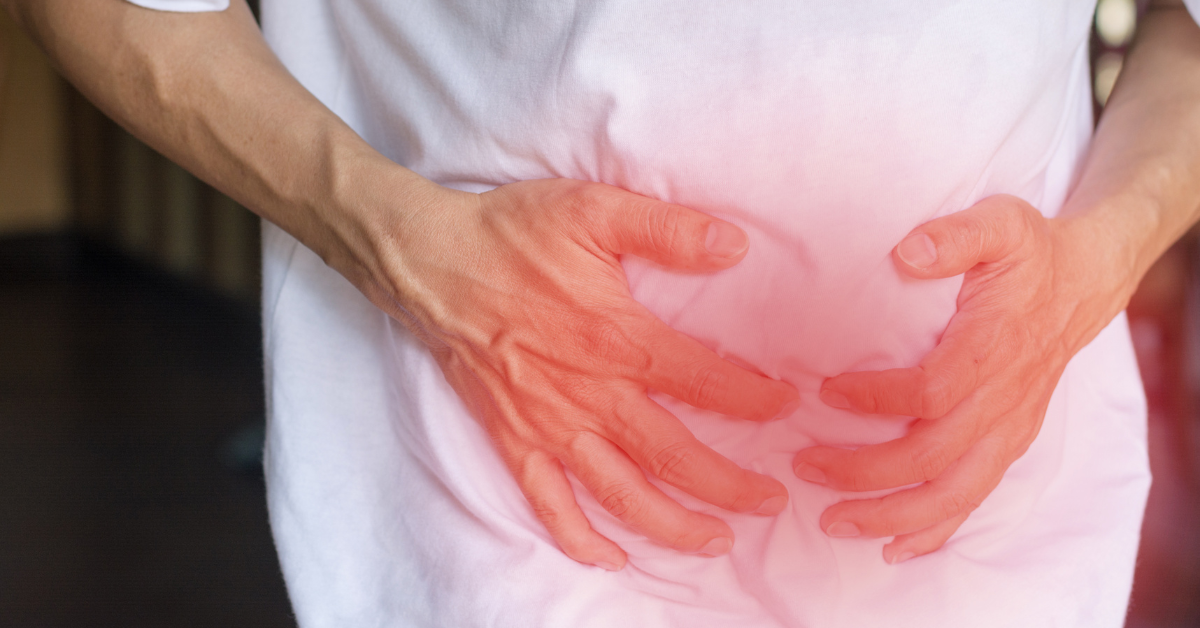
Yes, a hernia can affect testicles by causing pain and discomfort in the groin area.
Understanding Hernias
Hernias are more common than one might think. They occur when an organ or fatty tissue pushes through a weak spot in the surrounding muscle or connective tissue. The most prevalent types of hernias include inguinal, femoral, umbilical, and hiatal hernias. Among these, inguinal hernias are particularly relevant when discussing the connection between hernias and testicular health. They happen in the groin area and can extend into the scrotum, where the testicles reside. This condition can lead to a variety of symptoms, including pain, swelling, and even complications that may require medical intervention.
The mechanics of a hernia are fascinating. When an inguinal hernia occurs, part of the intestine or abdominal tissue bulges through the abdominal wall or into the inguinal canal. In males, this canal carries spermatic cords to the testicles. If a hernia develops in this region, it can create pressure on surrounding structures, including the testicles themselves. Understanding how these dynamics work is crucial for anyone experiencing symptoms related to this condition.
Symptoms of a Hernia
Identifying a hernia isn’t always straightforward. Symptoms can vary significantly from person to person. The most common signs include a noticeable bulge in the groin area, which may become more prominent when standing up or straining during activities like lifting heavy objects. Pain or discomfort is often associated with this bulge and can be exacerbated by physical activity or prolonged standing.
In some cases, individuals may experience a dull ache or sharp pain that radiates to nearby areas, including the testicles. This raises an important question: Can a hernia affect testicles? The answer is yes; when an inguinal hernia occurs, it can lead to referred pain that feels as if it originates from the testicular region. This phenomenon happens because nerves in the groin area communicate with those in the scrotum.
Quick-Reference Diagnostic Toolkit
| Diagnostic Test | What It Reveals | Best Used When |
|---|---|---|
| High-resolution groin ultrasound | Real-time view of hernia sac, size, and reducibility; 96 % sensitivity, 85 % specificity | First-line if bulge is equivocal or appears only during Valsalva |
| CT scan (abdomen & pelvis) | Cross-sectional anatomy, occult/complex hernias, concomitant bowel obstruction | Obese patients, recurrent hernia after prior repair, or unclear pain source |
| MRI pelvis | Excellent soft-tissue contrast, detects small femoral or occult inguinal defects | Athletes with chronic groin pain or when radiation avoidance is preferred |
The Connection Between Hernias and Testicular Pain
The relationship between hernias and testicular discomfort isn’t merely coincidental; it’s anatomical. The spermatic cord contains blood vessels, nerves, and lymphatics that supply blood to the testicles and provide sensation. When an inguinal hernia develops, it may compress these structures or irritate nearby nerves.
The sensation of pain can manifest as a sharp jolt when moving suddenly or as a persistent dull ache during daily activities. In some cases, individuals might even experience swelling in one side of the scrotum due to fluid accumulation or pressure from the herniated tissue. This swelling can be alarming and often prompts further investigation into whether there’s an underlying issue affecting reproductive health.
Potential Complications of Hernias
Ignoring symptoms related to a hernia can lead to severe complications over time. One significant risk is incarceration—when part of the intestine becomes trapped in the abdominal wall defect—leading to strangulation if blood flow is cut off completely. Strangulated hernias present as severe pain and require immediate surgical intervention.
In addition to these acute complications, chronic issues may arise from living with an untreated hernia for extended periods. Persistent discomfort can impact daily activities and overall quality of life. For men experiencing referred pain in their testicles due to an inguinal hernia, it’s essential not only to address potential surgical options but also to consider how this condition affects their reproductive health.
Diagnosing an Inguinal Hernia: What to Expect
A Hand-On Clinical Exam Still Comes First
Your doctor palpates the groin while you cough or bear down, feeling for a spurting bulge along the inguinal canal. A reducible hernia slips back with gentle pressure; a stuck one does not.
Imaging Steps In When The Exam Is Murky
Ultrasound is the work-horse: it detects up to 97 % of inguinal hernias and can distinguish them from look-alikes such as varicoceles, hydroceles, or lipomas. CT or MRI add three-dimensional detail—helpful for large, recurrent, or bilateral bulges, and for surgical planning in heavily muscled or obese patients.
Differential Diagnoses You Don’t Want to Miss
Testicular torsion, epididymitis, and femoral hernia sit on the same symptom spectrum. Rapid ultrasound or Doppler flow studies are critical when acute scrotal pain enters the story.
Fertility & Long-Term Sexual Health
Early fears that mesh repairs might block the vas deferens or reduce sperm counts have largely been dispelled. Large cohort studies report no meaningful drop in paternity rates after either open Lichtenstein or laparoscopic total-extraperitoneal (TEP) repairs. A 2024 meta-analysis pegged permanent infertility at < 1 % and usually linked it to complex bilateral cases rather than the mesh itself.
That said, transient reductions in sperm motility are common in the first 48 hours post-op, so urologists often recommend delaying fertility testing for at least three months after surgery. Worried about sensation? Most men regain full sexual function within four weeks as nerve irritation settles.
Red-Flag Signs That Need the ER — Fast
A groin lump that suddenly turns hard, red, and exquisitely tender is bad news. Combine that with nausea, vomiting, or fever, and you may be looking at strangulation: blood supply to the trapped tissue—and sometimes the testicle—has been cut off. Delay here can mean bowel necrosis or testicular compromise; surgeons consider it a true emergency.
Act Immediately If You Notice
- Bulge cannot be pushed back in
- Pain intensifies hour by hour
- Skin over bulge darkens or turns purple
- Scrotum swells or feels markedly colder/warmer than usual
Call emergency services or head straight to the hospital; rapid repair saves tissue and, in rare cases, fertility.
Treatment Options for Hernias
If symptoms are minimal, a surgeon may recommend active monitoring, a structured form of watchful waiting that includes scheduled reviews to reassess pain, hernia size, and complication risk. However, if significant discomfort arises or if there’s concern about complications like incarceration or strangulation, surgical options become necessary.
Surgery for inguinal hernias generally falls into two categories: open surgery and laparoscopic surgery. Open surgery involves making an incision near the site of the bulge while laparoscopic surgery utilizes smaller incisions with specialized instruments for repair through minimally invasive techniques.
Both approaches aim to push back any protruding tissue into place while reinforcing weakened areas with mesh material for added support—a crucial step in preventing recurrence post-surgery.
Post-Surgical Recovery
Recovery after surgery varies based on individual circumstances but typically involves rest followed by gradual reintroduction of physical activity over several weeks. Pain management is essential during this period; doctors often prescribe medications tailored to minimize discomfort without compromising healing processes.
During recovery from surgery for an inguinal hernia—especially one affecting surrounding structures such as testicles—it’s vital to communicate openly about any lingering symptoms like pain radiating toward that region post-surgery since they could indicate complications needing further evaluation.
The Importance of Seeking Medical Advice
Recognizing symptoms early on plays an invaluable role in addressing potential issues related not only to general health but also reproductive well-being specifically tied back into our earlier discussion regarding whether a hernia affects testicles directly.
Men experiencing unusual sensations around their groin area should consult healthcare professionals promptly rather than waiting until things worsen before seeking help; proactive measures often yield better outcomes than reactive ones down the line.
It’s worth noting that while many men successfully navigate through diagnosis and treatments without long-term repercussions concerning fertility health—it’s still prudent practice engaging with specialists familiar with male reproductive systems alongside general surgeons specializing in abdominal surgeries.
Inguinal Hernia vs Other Types of Hernias
| Type of Hernia | Location | Common Symptoms | Potential Impact on Testicles |
|---|---|---|---|
| Inguinal Hernia | Groin area (can extend into scrotum) | Bulge in groin, pain, swelling | Yes – direct pressure/nerve irritation possible |
| Femoral Hernia | Upper thigh (below groin) | Bump near thigh, pain, discomfort | No – less likely unless complications arise |
| Umbilical Hernia | Around belly button | Bump near navel, pain during coughing/lifting | No – unrelated anatomical structures involved |
| Hiatal Hernia | Stomach (through diaphragm) | Heartburn, chest pain, difficulty swallowing | No – does not affect testicular function |
Lifestyle Changes Post-Hernia Diagnosis
After addressing any immediate concerns, it’s wise to consider lifestyle changes aimed at minimizing future risks. Maintaining a healthy body weight reduces strain on abdominal walls, while engaging regularly in strength-training exercises enhances overall muscular support throughout core regions, leading to improved stability.
Dietary habits also play crucial roles; incorporating fiber-rich foods aids digestion and reduces constipation, which could otherwise exacerbate existing issues surrounding the gastrointestinal tract, leading to increased pressure on weakened areas. Staying hydrated remains fundamental too; ensuring adequate fluid intake promotes optimal bodily function while supporting general health and wellness overall.
The Role of Regular Check-ups
Regular medical check-ups serve as preventive measures against potential future complications stemming from previously diagnosed conditions, including those relating back to concerns regarding whether a hernia can affect testicles. Routine evaluations allow healthcare providers to monitor progress post-surgery, ensuring no new developments arise unexpectedly.
Establishing open lines of communication between patients and providers remains paramount throughout the entire journey of navigating diagnosis and treatments, allowing individuals to feel empowered in taking charge of their health outcomes effectively. Building relationships based on trust fosters environments conducive to productive conversations addressing concerns openly without fear of judgment—ultimately ensuring everyone involved feels supported.
Key Takeaways: Hernia and Testicles
➤ Hernias can cause pain: They may lead to discomfort in the groin and testicles.
➤ Inguinal hernias are common: These occur in the groin and can affect testicular health.
➤ Symptoms vary widely: Look for bulges, pain, or swelling in the groin area.
➤ Surgical options exist: Treatments include open and laparoscopic surgery for hernias.
➤ Seek medical advice early: Early intervention prevents serious complications.
Frequently Asked Questions: Can A Hernia Affect Testicles?
Can a hernia cause testicular pain?
Yes, a hernia can cause testicular pain. This is particularly common with inguinal hernias. The pain may radiate from the groin area to the testicles due to nerve connections. The sensation can vary from sharp to dull and may worsen with physical activity or prolonged standing.
What are the symptoms of a hernia affecting testicles?
Symptoms of a hernia affecting the testicles include a noticeable bulge in the groin, discomfort or pain in the groin area, and swelling in the scrotum. Individuals may also experience referred pain that feels like it originates from the testicular region, often linked to nerve irritation.
How is a hernia diagnosed?
A hernia is typically diagnosed through a physical examination by a healthcare professional. They will assess for bulges in the groin area and inquire about symptoms. In some cases, imaging tests like ultrasound or CT scans may be used for further evaluation if necessary.
What are the risks of untreated hernias related to testicles?
Untreated hernias can lead to serious complications, including incarceration and strangulation of tissue. These conditions can cause severe pain and potentially affect blood flow to surrounding structures, including the testicles, which could have significant health implications if not treated promptly.
What lifestyle changes can help prevent hernias?
To help prevent hernias, maintaining a healthy body weight is crucial. Regular strength-training exercises can enhance core muscle support. Additionally, consuming fiber-rich foods aids digestion and minimizes constipation, reducing pressure on abdominal areas that could lead to hernias.
The Bottom Line: Can A Hernia Affect Testicles?
In summary—yes—a confirmed diagnosis involving any inguinal hernia can lead to various forms of discomfort experienced within regions surrounding male reproductive organs, including the testes themselves. Understanding the anatomy behind these relationships empowers individuals to make informed decisions regarding seeking timely interventions necessary to minimize risks associated with developing further complications later on. Taking proactive steps today ensures brighter futures tomorrow; embracing healthy lifestyles coupled with regular check-ups ultimately paves the pathway to success, fostering overall well-being throughout the life journey ahead!