
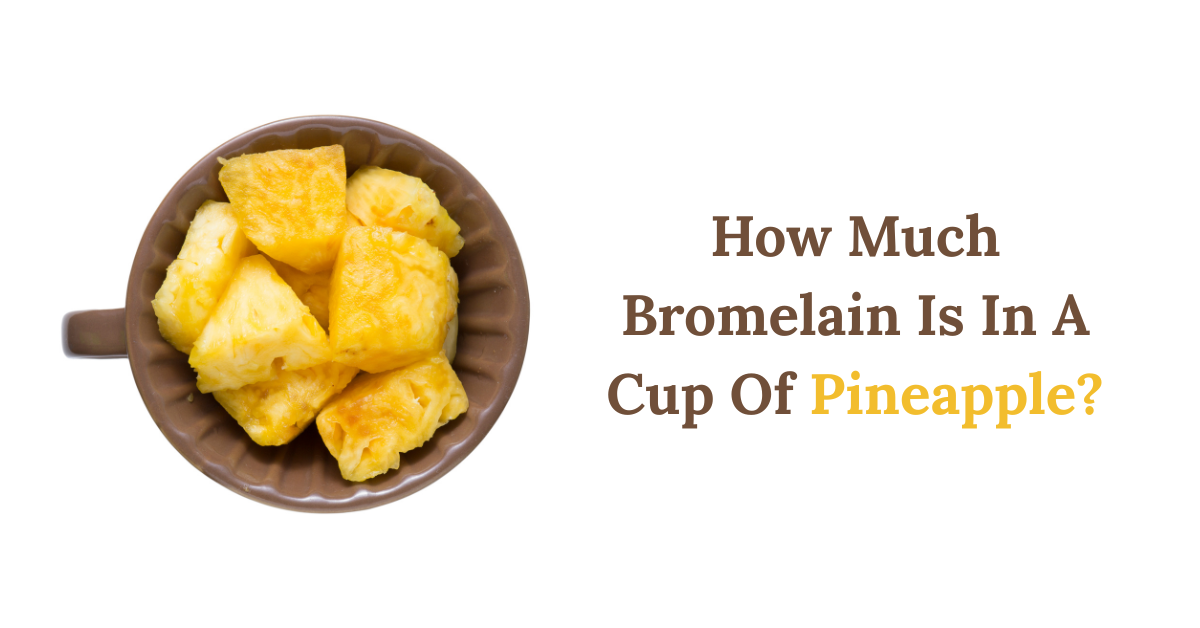
A cup of fresh pineapple contains approximately 40–120 mg of bromelain.
The Fascinating World of Pineapples
Pineapples are more than just a tropical delight; they’re a powerhouse of nutrients. This sweet, juicy fruit has captured hearts and taste buds worldwide. But what really sets pineapples apart is their unique enzyme called bromelain. This enzyme is known for its numerous health benefits, from aiding digestion to reducing inflammation. As I dig deeper into the world of bromelain, I’m often left wondering: How much bromelain is in a cup of pineapple? Understanding the concentration of this enzyme can help appreciate the health benefits packed in each bite.
Bromelain is primarily found in the stem and fruit of the pineapple plant. This enzyme has been used for centuries in traditional medicine, particularly in regions where pineapples are abundant. People have relied on it for various ailments, including digestive issues and inflammatory conditions. The more I learn about bromelain, the more I realize how essential it is to our health.
The Nutritional Breakdown of Pineapple
Pineapple isn’t just delicious; it’s also loaded with vitamins and minerals that contribute to overall health. A single cup of fresh pineapple chunks (165 g) contains roughly 82 calories and a wealth of nutrients. Here’s a quick breakdown:
| Nutrient | Amount per Cup (165 g) |
|---|---|
| Calories | 82 |
| Carbohydrates | 22 g |
| Fiber | 2.3 g |
| Sugar | 16 g |
| Vitamin C | 79 mg (88% DV) |
| Manganese | 1.5 mg (66% DV) |
| Bromelain | ~40–120 mg* |
*The amount of bromelain can vary widely based on factors like ripeness, preparation methods, and pineapple variety.
This breakdown shows that while pineapple is sweet and tasty, it also provides significant health benefits through its vitamins and minerals. The vitamin C content alone makes it an excellent choice for boosting immunity.
Comparative Bromelain Activity in Pineapple Parts
| Pineapple Part | Approx. Activity (GDU/g) | Estimated Bromelain per 100 g (mg) |
|---|---|---|
| Stem | 1,000–2,000 GDU/g | 150–200 |
| Core | 800–1,500 GDU/g | 80–120 |
| Flesh | 450–900 GDU/g | 40–80 |
Bromelain: The Enzyme Superstar
Bromelain isn’t just any enzyme; it’s a proteolytic powerhouse that helps break down proteins into smaller peptides or amino acids, making digestion smoother and nutrient uptake more efficient. Research shows fresh pineapple chunks may contain 40–120 mg of bromelain per cup (165 g), though activity is most reliably measured in gelatin-digesting units (GDU) and can swing higher or lower depending on ripeness, processing, and which part of the plant you’re using.
Beyond digestion, bromelain shines for its anti-inflammatory action—helping to dial down swelling after injuries or surgery—and has even shown promise in preliminary studies for supporting respiratory health by thinning mucus. It’s pretty amazing that a simple fruit enzyme can have such wide-ranging effects!
The Health Benefits of Bromelain
The health benefits associated with bromelain are numerous and varied. As I dive deeper into its properties, I find myself amazed at how many ways this enzyme can support well-being.
One significant benefit is its anti-inflammatory properties. Research indicates that bromelain can help reduce swelling associated with injuries or surgeries, making recovery more manageable. For those who suffer from chronic inflammation conditions like arthritis or sinusitis, incorporating pineapple into their diet could be a tasty way to find relief.
Another fascinating aspect is bromelain’s potential role in combating cancer cells. Some studies suggest that bromelain may inhibit tumor growth and enhance the effectiveness of certain chemotherapy drugs. While more research is needed in this area, it’s encouraging to see natural compounds like bromelain being explored for their therapeutic potential.
Furthermore, bromelain may aid in weight management by improving digestion and promoting satiety after meals. When digestion works efficiently, the body can better utilize nutrients while preventing unnecessary cravings—something many people struggle with daily.
Pineapple Recipes That Maximize Bromelain Intake
Incorporating pineapple into meals can be both fun and delicious! There are countless recipes that allow you to enjoy this tropical fruit while maximizing your intake of bromelain.
One favorite recipe is a refreshing pineapple smoothie that combines fresh pineapple chunks with yogurt or almond milk, spinach for added nutrients, and a banana for sweetness. Blending these ingredients creates a creamy drink that’s not only delicious but also packed with vitamins—and lots of bromelain!
Another great option is grilled pineapple slices served as a side dish or dessert. Grilling enhances the natural sweetness while caramelizing the sugars within the fruit—a perfect complement to savory dishes like grilled chicken or fish.
For those looking for something heartier, how about adding diced pineapple to stir-fries? The sweetness pairs beautifully with savory sauces and adds an unexpected twist to traditional recipes.
These recipes are just starting points; there’s no limit to how one can incorporate pineapple into their diet! By enjoying these dishes regularly, one can easily ensure they’re getting enough bromelain—making each meal both nutritious and delightful.
The Science Behind Bromelain Concentration Variability
Understanding how much bromelain is in a cup of pineapple requires diving into several variables affecting its concentration levels. Factors such as ripeness at harvest time play a significant role; ripe pineapples tend to have higher concentrations compared to unripe ones due to increased enzymatic activity as they mature.
Additionally, processing methods impact bromelain levels significantly too—cooked or canned pineapples generally contain far less than fresh ones because heat destroys enzymes during cooking processes. Therefore opting for fresh over processed versions maximizes nutrient intake!
Storage also matters! If fresh pineapples sit around too long before consumption—especially once cut—they lose some enzymatic potency over time due to oxidation exposure from air contact, ultimately resulting in lower amounts available when consumed days after cutting.
So next time pondering “how much bromelain is in a cup of pineapple?” remember these factors contribute greatly towards determining exact amounts present within each serving!
Optimizing Bromelain Activity at Home
Selecting and Storing Pineapple
Pick pineapples that smell sweet at the base and yield slightly when squeezed—that’s your cue for peak enzyme levels. Once cut, store chunks in an airtight container in the fridge and enjoy within 2 days; air exposure can knock enzyme activity down by up to 30%.
Preventing Enzyme Loss During Preparation
Heat and excessive acid zap bromelain fast. To keep it alive and kicking, add fresh pineapple at the end of cooking—think a garnish on sautéed chicken or fish—rather than simmering it for long periods.
DIY Bromelain Extraction Technique
You can extract a simple at-home “bromelain concentrate” by blending the core (it’s richer than the flesh) with a splash of cool water, straining through cheesecloth, and using the juice in marinades or smoothies. This quick trick boosts your enzyme punch right away.
Bromelain-Based Culinary Applications
Marinating and Tenderizing Meat
Thanks to bromelain’s protein-breaking power, pineapple juice makes a stellar meat marinade. For best results, cover your meat in fresh or homemade core juice and marinate 15–30 minutes—longer risks a mushy texture. Keep the acidity in check by diluting 1:1 with water or pineapple purée.
Incorporating Bromelain in Smoothies and Salads
Drop fresh chunks or a spoonful of your DIY extract into smoothies right before blending to preserve enzymes. In salads, toss pineapple on at the last minute so you get that zingy enzyme boost without it “cooking” other ingredients.
Understanding Bromelain Potency and Supplements
GDU vs. mg: Measuring Bromelain Activity
Supplement labels often list GDU (gelatin-digesting units) rather than milligrams. A powder with 2,400 GDU/g might only weigh 1 mg but digest as much protein as 10 mg of raw fruit extract. When comparing products, focus on GDU per capsule to match therapeutic doses.
Choosing and Using Bromelain Supplements Safely
If you opt for a pill, look for standardized GDU and take it on an empty stomach to avoid competition with dietary proteins. Watch out for blood-thinners, as bromelain can amplify their effects; always check with your healthcare provider before adding high-dose enzymes to your routine.
Pineapple Supplements: An Alternative Source of Bromelain?
With all these benefits associated with consuming fresh pineapples rich in bromelain content—it’s no surprise many people turn towards supplements promising concentrated doses instead! While supplements provide convenience—there are pros & cons worth considering before making decisions regarding supplementation versus whole food sources directly from nature itself.
On one hand—supplements typically contain higher concentrations allowing targeted therapeutic applications (like reducing inflammation). On another hand though—they lack additional nutrients found naturally occurring alongside enzymes within whole foods! Whole foods offer synergistic effects enhancing overall absorption rates & providing complementary benefits beyond just isolated compounds alone.
It’s essential weighing these factors carefully before deciding whether relying solely upon supplementation makes sense personally based upon individual needs/goals surrounding health objectives desired long term.
Ultimately—while supplements may serve useful purposes—they shouldn’t replace enjoying delicious fruits like pineapples themselves which offer diverse range flavors alongside powerful nutritional profiles supporting overall wellness naturally every day life!
Key Takeaways: Bromelain in Pineapple
➤ Bromelain Content: A cup of pineapple contains approximately 40–120 mg.
➤ Health Benefits: Bromelain aids digestion and reduces inflammation effectively.
➤ Nutritional Value: Pineapple is rich in vitamins, especially Vitamin C and manganese.
➤ Fresh is Best: Fresh pineapple offers higher bromelain than cooked or canned versions.
➤ Incorporate Easily: Incorporate pineapple into smoothies, salads, and marinades for a simple bromelain boost.
Frequently Asked Questions: How Much Bromelain Is In A Cup Of Pineapple?
What is bromelain and why is it important in pineapple?
Bromelain is a proteolytic enzyme found in pineapple stems and fruit that helps break down proteins. This enzyme is crucial for digestion, enhancing nutrient absorption from food. Additionally, bromelain has anti-inflammatory properties, which can aid in recovery from injuries and surgeries, making it a valuable component of pineapple.
How does the ripeness of pineapple affect bromelain content?
The ripeness of a pineapple significantly influences its bromelain levels. Ripe pineapples generally contain higher concentrations due to increased enzymatic activity. Conversely, unripe pineapples may have lower amounts. Therefore, choosing ripe fruit maximizes the potential health benefits associated with bromelain consumption.
Can cooking pineapple affect its bromelain levels?
Yes, cooking pineapple can drastically reduce its bromelain content. Heat denatures enzymes, rendering them inactive. Thus, fresh pineapple is recommended for those seeking to maximize bromelain intake. Canned or cooked varieties typically have much lower levels of this beneficial enzyme.
Are there any side effects associated with consuming too much bromelain?
While bromelain is generally safe for most people, excessive consumption can lead to side effects such as digestive disturbances or allergic reactions. It’s important to consume pineapples in moderation and consult a healthcare professional if considering high-dose supplements or if you have specific health concerns.
What are some other sources of bromelain besides pineapple?
Bromelain is unique to pineapples—particularly the stem and core. While other fruits like papaya contain proteolytic enzymes (such as papain), true bromelain is only found in pineapple. Supplements containing concentrated bromelain are typically derived from pineapple stems.
Conclusion: Embracing Pineapple’s Nutritional Power
The journey through understanding how much bromelain is in a cup of pineapple reveals so much more than just numbers—it uncovers an entire world filled with health benefits waiting to be explored! From aiding digestion to reducing inflammation—this tropical fruit packs quite the punch when it comes down nourishing our bodies effectively every day!
Incorporating fresh pineapples into meals isn’t merely about enjoying their delightful taste; it’s about embracing their nutritional power fully! Whether through smoothies or grilled delights—the opportunities are endless when it comes leveraging all goodness offered within nature itself!
So next time reaching for snack options—consider choosing fresh pineapples instead! Not only will they satisfy cravings but also nourish body mind spirit alike—all thanks incredible bounty gifted us by nature itself through simple yet profound tropical treasures like these amazing fruits we call “pineapples” today!