
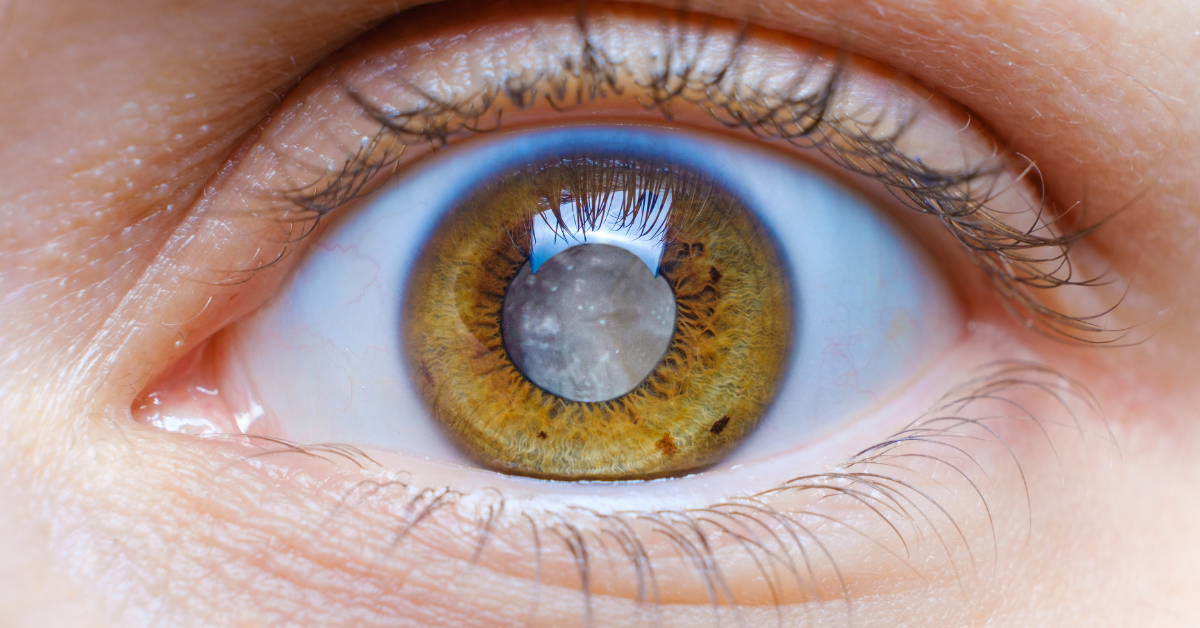
Yes—though it’s uncommon. Certain traumatic injuries or sudden blood-sugar swings can cloud the lens within days, while age-related cataracts still develop slowly.
The Basics of Cataracts
Cataracts are a common eye condition that affects many people, especially as they age. They form when the lens of the eye becomes cloudy, leading to blurred vision and other visual disturbances. The lens is supposed to be clear, allowing light to pass through and focus on the retina. However, when proteins in the lens start to clump together, they create a cloudy area that interferes with this process. It’s fascinating how something so small can have such a profound effect on one’s quality of life.
Cataracts typically develop slowly over time. Most people notice gradual changes in their vision, like difficulty seeing at night or needing brighter light for reading. But there’s a lingering question that often arises: Can cataracts come on suddenly? This concern is valid and worth exploring in depth.
Table – How Different Cataracts First Show Themselves
| Cataract type | Onset speed | Earliest giveaway symptom |
|---|---|---|
| Nuclear-sclerotic | Slow (years) | Subtle yellow/brown tint; sudden “second sight” for reading |
| Cortical | Months – years | Radiating glare & halos that worsen at night |
| Posterior sub-capsular | Faster (months) | Hazy vision in bright light; difficulty reading small print |
| Traumatic | Hours – months | Localised clouding or double vision after injury |
| Congenital | Birth / infancy | Lack of visual fixation or nystagmus |
| Posterior-capsule opacification (PCO) | Months – years post-surgery | Blurred, “smoky” vision similar to the pre-op cataract |
The Types of Cataracts
Ophthalmologists group cataracts by cause and lens layer. Age-related (nuclear, cortical, posterior-subcapsular) forms dominate. Traumatic cataracts follow injury, congenital ones appear at or soon after birth, and posterior-capsule opacification (PCO)—often nicknamed a “secondary cataract”—is a post-surgical clouding of the capsule behind the artificial lens, not a new cataract inside the lens itself.
Understanding these types helps demystify the condition. For example, congenital cataracts might appear sudden if they develop after birth rather than gradually over time. Secondary cataracts can also seem sudden if they arise from an underlying health issue that has recently worsened.
Symptoms of Cataracts
The symptoms of cataracts can vary widely from person to person. Some might experience mild blurriness or a slight haze over their vision, while others might find it challenging to see colors vividly or navigate in low-light conditions. It’s not uncommon for someone with cataracts to feel as though their glasses prescription is constantly changing.
One day you might wake up and notice that your vision has significantly altered overnight. While most cases are gradual, some individuals may experience rapid changes due to factors like trauma or other eye conditions compounding existing issues.
Risk Factors for Developing Cataracts
Several risk factors contribute to the development of cataracts. Age is certainly the most prominent factor; as people grow older, their risk increases significantly. Other factors include genetics, prolonged exposure to UV rays from sunlight, smoking, diabetes, obesity, and certain medications like corticosteroids.
Interestingly enough, lifestyle choices play a significant role too. For instance, maintaining a healthy diet rich in antioxidants can potentially delay the onset of cataract formation. Regular eye exams are crucial for catching any changes early on—especially since some individuals might wonder if they’re experiencing sudden symptoms related to cataract development.
Preventive Strategies and Lifestyle Tweaks
Keeping cataracts at bay isn’t all about luck of the draw—everyday choices matter. Scrap the smokes; tobacco doubles or even triples cataract risk by bombarding the lens with free radicals. Block UV A and UV B with wrap-around sunglasses (the lens absorbs that radiation for life). Control blood sugar tightly; each decade of uncontrolled diabetes can bring cataracts up to ten years earlier.
Nutrition plays a subtler role. Cross-sectional studies link diets rich in lutein, zeaxanthin, and omega-3s to a lower cataract burden, yet randomised trials of vitamin pills alone show little benefit. Translation? Plate-up spinach, salmon, eggs, and orange-fleshed veg, but don’t rely on capsules alone.
Finally, steroid stewardship matters. Long-term systemic or high-dose topical corticosteroids accelerate posterior-subcapsular cataracts; use the lowest effective dose and schedule regular slit-lamp checks.
Advances in Intra-ocular Lens (IOL) Technology
Cataract surgery success now hinges on the type of artificial lens chosen—patients are no longer limited to a one-size-fits-all option.
- Monofocal IOLs – the stalwart choice, tuned for one distance (usually far). Glasses remain necessary for near work.
- Multifocal & extended-depth-of-focus (EDOF) IOLs – concentric rings or wavefront-shaping extend focus, trimming spectacle time but can create halos at night.
- Accommodating IOLs – hinged haptics that flex with ciliary-muscle effort, restoring a measure of zoom. Evidence shows mixed long-term gain but technology is maturing.
- Toric IOLs – carved to neutralise corneal astigmatism; alignment marks ensure the cylinder lands dead-on.
- Light-adjustable IOLs – a newer polymer that the surgeon fine-tunes post-op with UV light, hitting refractive targets within ±0.25 D in most cases.
Choosing the right lens is a candid chat between patient and surgeon, balancing glare tolerance, night-driving needs, budget, and how comfortable someone is slipping on reading specs for tiny print. With modern biometry and micro-incision phacoemulsification, final uncorrected 20/40 vision or better is achieved in most uncomplicated eyes.
The Connection Between Diabetes and Cataract Development
Diabetes is a well-known risk factor for developing various eye conditions, including cataracts. Elevated blood sugar levels can lead to swelling in the lens of the eye and cause it to become cloudy more quickly than it would through normal aging processes alone. This relationship raises an important question: Can cataracts come on suddenly for diabetic patients?
Indeed! Diabetic patients may notice faster progression of their cataract symptoms compared to those without diabetes. It’s essential for individuals with diabetes to monitor their blood sugar levels closely and have regular eye check-ups since early detection can lead to timely intervention.
How Are Cataracts Diagnosed?
Diagnosing cataracts typically involves a comprehensive eye exam conducted by an optometrist or ophthalmologist. During this exam, various tests measure visual acuity and assess how well light passes through the lens of the eye. The doctor may use special instruments like a slit lamp or ophthalmoscope for closer examination.
It’s important not only for those experiencing gradual changes but also for anyone who feels their vision has changed abruptly—this could indicate sudden-onset cataracts or another eye condition requiring attention.
Treatment Options for Cataracts
When it comes to treating cataracts, options depend on how much they affect daily life activities. Initially, doctors may recommend updating glasses prescriptions or using brighter lighting when reading or engaging in other tasks requiring clear vision.
| Treatment Option | Description |
|---|---|
| Regular Eye Exams | Monitoring changes in vision. |
| Updated Prescription | New glasses or contacts. |
| Surgery | Removal of cloudy lens; replacement with IOL. |
However, surgery becomes necessary when everyday activities become challenging due to impaired vision caused by cataracts. During this procedure—known as phacoemulsification—the cloudy lens is removed and replaced with an artificial intra-ocular lens (IOL). This surgery is quite common and generally safe; millions undergo it every year with excellent outcomes.
Post-Surgery Care and Recovery
After undergoing cataract surgery, recovery typically involves following specific care instructions provided by the surgeon. Patients often need someone to drive them home post-surgery since their vision will be temporarily affected by anesthesia or sedatives used during the procedure.
It’s crucial during recovery not only to attend follow-up appointments but also to adhere strictly to prescribed medications—like antibiotic eye drops—to prevent infection and promote effective healing. Most people notice significant improvements within days after surgery; however, some may take longer depending on individual circumstances.
Many patients report feeling as though they’ve regained youthful clarity in their sight! But even after successful surgery, especially for those who’ve wondered if they might experience sudden-onset symptoms, it’s wise always to keep an open line with healthcare providers regarding any new visual changes post-op.
The Importance of Regular Eye Exams
Regular eye exams serve as key preventive measures against conditions like cataracts—even if one feels perfectly fine! Many issues can develop silently without noticeable symptoms until they’ve reached advanced stages where treatment options become limited or more complicated.
For anyone concerned about whether they might experience sudden-onset symptoms related specifically to cataract development—it’s essential not only for personal peace of mind but also overall health management strategy. Getting eyes checked regularly ensures any potential problems are caught early before causing significant disruptions in daily life.
Living with Cataracts: Emotional Impact
Living with visual impairments caused by conditions like cataracts can take an emotional toll—not just physically but mentally as well. Individuals may feel isolated simply because everyday tasks become increasingly challenging without clear sight.
The emotional aspects shouldn’t be overlooked; feeling frustrated due to the inability to see clearly impacts overall quality of life significantly. Seeking support from family members or joining local groups where others share similar experiences can provide comfort during difficult times.
Moreover, understanding what options exist regarding treatment empowers individuals facing these challenges; knowledge fosters confidence moving forward knowing steps necessary toward regaining clarity exist!
Key Takeaways: Cataracts
➤ Cataracts can develop suddenly in specific circumstances such as trauma or rapid blood-sugar changes.
➤ Types of cataracts vary: age-related, congenital, traumatic, and posterior-capsule opacification.
➤ Diabetes accelerates cataract progression; tight glucose control is essential.
➤ Regular eye exams enable early detection and timely treatment.
➤ Surgery (phacoemulsification with IOL replacement) is safe and highly effective for restoring vision.
Frequently Asked Questions: Cataracts
Can cataracts come on suddenly?
Yes, cataracts can develop suddenly in certain situations. While most cases progress gradually, factors such as eye trauma or rapid changes in health conditions (notably uncontrolled diabetes) can lead to quick onset of lens clouding. Individuals may notice significant changes in their vision seemingly overnight.
What are the common symptoms of sudden cataracts?
Symptoms of sudden cataracts may include rapid blurriness, increased difficulty seeing at night, a noticeable haze over vision, sudden change in color perception, or feeling as if your glasses prescription is frequently changing.
How do diabetes and cataracts relate to sudden onset?
Diabetes significantly increases the risk of developing cataracts. Elevated blood-sugar levels can accelerate the clouding of the lens, leading to faster progression of symptoms. Diabetic patients often experience more rapid changes in vision compared to non-diabetics.
What types of cataracts can develop suddenly?
Cataracts can be classified into several types, including age-related and congenital. Congenital cataracts may appear suddenly if they develop shortly after birth. Traumatic cataracts can arise quickly after an eye injury, and posterior-capsule opacification (a post-surgical clouding) can also develop relatively swiftly.
What steps should I take if I notice sudden changes in my vision?
If you experience sudden changes in your vision, schedule an eye exam promptly. A comprehensive examination by an optometrist or ophthalmologist will help determine whether you’re dealing with cataracts or another eye condition requiring attention.