
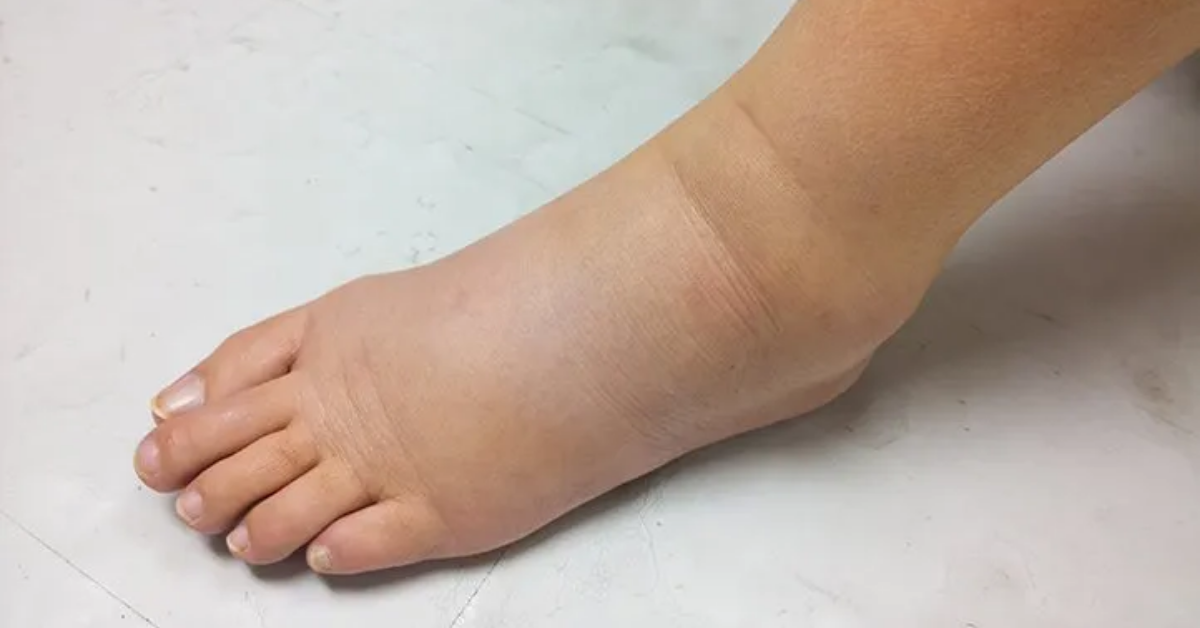
Hypernatremia can lead to fluid imbalance, but it doesn’t directly cause edema.
Understanding Hypernatremia
Hypernatremia is a term that refers to an elevated sodium concentration in the blood. It’s not just a fancy word; it’s a serious condition that can arise from various causes, including dehydration, excessive salt intake, or certain medical conditions. When the body loses more water than sodium, the sodium level rises, leading to hypernatremia. This condition can be particularly dangerous for vulnerable populations like the elderly or those with chronic illnesses. It’s crucial to recognize the symptoms early on—thirst, confusion, muscle twitching, and even seizures can occur if levels get too high.
The body’s response to hypernatremia is complex. The kidneys play a significant role in regulating sodium and water levels. When sodium levels rise, the kidneys attempt to excrete excess sodium while retaining water. However, if there’s an underlying issue affecting kidney function or fluid balance, this process can become impaired. The result? An imbalance that can lead to various complications.
Understanding hypernatremia is essential for anyone interested in health or medicine. It lays the groundwork for recognizing how sodium levels can impact overall bodily functions and how they might relate to conditions like edema.
Clinical Volume-Status Patterns in Hypernatremia
A quick way to predict complications—including edema—is to match the cause of hypernatremia with the patient’s volume status.
| Scenario | Typical volume status | Edema risk & clinical clues |
|---|---|---|
| Profound water loss (fever, diarrhea, burns) | Hypovolemic | Dry mucous membranes, orthostatic hypotension; edema absent |
| Central / nephrogenic diabetes insipidus | Euvolemic (or mild hypovolemia) | Huge dilute urine output, polydipsia; edema essentially nil unless water replaced excessively |
| Iatrogenic sodium load (hypertonic saline, bicarbonate) | Hypervolemic | Rapid weight gain, ankle or periorbital swelling, crackles; high risk of pulmonary edema |
| Primary hyperaldosteronism / glucocorticoid excess | Mild hypervolemic | Resistant hypertension, subtle lower-limb edema, metabolic alkalosis |
Early Warning Signs & Home Monitoring
- Rapid daily weights: Use the same scale each morning after voiding. A jump of 500 g or more can precede visible swelling.
- Urine spotlight: A sudden drop in output or a change from straw-coloured to dark, syrup-like urine hints that water losses are outpacing intake—even before serum sodium climbs.
- Simple neuro-check: Fleeting confusion, slurred words, or myoclonic twitches often appear hours before seizures in fast-rising sodium states.
Pre-emptive Strategies for At-Risk Groups
- Older adults & those with limited thirst – Follow a “water schedule” (about 150 mL every waking hour) and review medications that blunt thirst or promote diuresis.
- Hospitalised patients on diuretics or tube feeds – Keep free-water flush charts and order twice-daily sodium checks; hypernatremia plus net-positive fluid balance is a red flag for impending edema.
- Mineralocorticoid excess – Early endocrine referral and a low-sodium diet (under 2 g/day) can curb both sodium rise and ankle swelling.
- Post-resuscitation with hypertonic solutions – Switch to 5 % dextrose in water for deficit replacement and add a loop diuretic if crackles or jugular venous distension appear.
What is Edema?
Edema refers to swelling caused by excess fluid trapped in the body’s tissues. It can occur in localized areas, such as the feet and ankles, or it may be more generalized throughout the body. Various factors can contribute to edema: heart failure, kidney disease, liver issues, and even prolonged standing or sitting. The condition itself isn’t a disease but rather a symptom of an underlying issue.
The mechanisms behind edema are fascinating yet complicated. When fluid leaks out of blood vessels into surrounding tissues, it creates that noticeable swelling we associate with edema. This fluid shift often results from changes in pressure within blood vessels or an imbalance of proteins that help retain fluid within them.
In many cases, edema is harmless and temporary; however, it can signal more serious health problems that require medical attention. For instance, persistent swelling might indicate heart failure or renal issues that need immediate intervention. Understanding edema’s nature helps in recognizing when it’s merely an inconvenience versus a potential health risk.
Linking Hypernatremia and Edema
Hypernatremia pulls water out of cells, so most patients present dry rather than swollen.
The exception is hypervolemic hypernatremia—an uncommon form caused by massive sodium gain (for example, hypertonic saline, sodium bicarbonate infusion, or mineralocorticoid excess). Here, extracellular fluid expands and classic dependent or even pulmonary edema can appear alongside the elevated sodium. In everyday dehydration-driven hypernatremia, true interstitial edema is rare; any “puffiness” usually reflects relative fluid shifts, not frank fluid overload.
To illustrate this relationship further, let’s consider how hypernatremia might indirectly contribute to conditions where edema could develop:
- Dehydration: As cells lose water due to high sodium concentrations, they may trigger compensatory mechanisms in other areas of the body.
- Kidney Function: Impaired kidney function due to underlying causes may alter fluid regulation and contribute to swelling.
- Compensatory Mechanisms: The body might retain more water in response to perceived dehydration from hypernatremia—this could lead to swelling in some cases.
In summary, while hypernatremia doesn’t directly cause edema per se, its effects on hydration status and kidney function could create scenarios where swelling occurs.
The Physiology Behind Sodium Levels
Sodium plays a vital role in maintaining fluid balance within the body. It regulates blood pressure and volume by controlling how much water is retained or excreted by the kidneys. When sodium levels become elevated (hypernatremia), several physiological changes occur.
The hypothalamus senses changes in osmolarity—the concentration of solutes like sodium—in the blood and signals thirst when levels rise too high. This mechanism encourages individuals to drink more fluids in hopes of diluting excess sodium concentrations.
However, if someone cannot access fluids—due to illness or other reasons—the situation worsens quickly. Elevated sodium concentrations lead not only to dehydration but also disrupt normal cellular functions across various organs and tissues.
Physiological Effect | Description
Thirst Mechanism The hypothalamus triggers thirst responses when osmolarity increases.
Kidney Response Under high serum osmolality, arginine vasopressin triggers the kidneys to retain free water and produce maximally concentrated urine; significant sodium excretion generally waits until fluid deficits are corrected or diuretics are used in hypervolemic states.
Cerebral Effects High sodium levels can lead to neurological symptoms like confusion.
Fluid Shift Water moves from cells into extracellular spaces due to osmotic pressure.
This table illustrates key physiological effects associated with hypernatremia and provides insight into how these processes might relate indirectly back to edema development.
Symptoms of Hypernatremia
Recognizing symptoms of hypernatremia is crucial for timely intervention before complications arise—especially considering its potential link (albeit indirect) with conditions like edema.
Common signs include:
- Increased Thirst: A primary response as the body attempts self-correction.
- Dry Mouth: Lack of moisture due to dehydration.
- Fatigue: General tiredness stemming from cellular dysfunction.
- Confusion: Elevated sodium affects brain function.
- Muscle Twitching: Electrolyte imbalances influence muscle contractions.
If left unchecked or untreated, severe cases may lead to seizures or even coma—a sobering reminder of why monitoring electrolyte levels is vital for overall health management.
Treatment Approaches for Hypernatremia
Addressing hypernatremia effectively hinges on understanding its underlying cause while carefully managing electrolyte levels without causing rapid shifts that could lead to further complications such as cerebral edema—a condition characterized by excessive brain swelling due primarily to rapid correction of sodium levels after prolonged elevation.
Treatment typically involves:
- Fluid Replacement: Administering fluids either orally (if mild) or intravenously (for severe cases) helps dilute elevated serum sodium concentrations.
- Gradual Correction: Healthcare providers aim for slow reductions in serum sodium—often no more than 10 mEq/L per day—to avoid adverse effects.
- Monitoring Electrolytes: Regularly checking electrolyte panels ensures treatment effectiveness while minimizing risks associated with rapid shifts.
- Identifying Underlying Causes: Addressing any contributing factors such as medication side effects or chronic illnesses ensures comprehensive care beyond just correcting numbers on a lab report.
Navigating treatment requires collaboration between patients and healthcare teams; understanding individual circumstances allows for tailored approaches leading toward optimal outcomes without unnecessary risks.
The Role of Edema Management
Though we’ve established that hypernatremia doesn’t directly cause edema—it’s still important for individuals experiencing both conditions concurrently (especially those with chronic illnesses) to understand how best they can manage their symptoms effectively without exacerbating either situation further down the line.
Management strategies might include:
- Dietary Adjustments: Reducing salt intake helps control overall sodium levels while minimizing risks associated with both conditions simultaneously.
- Diuretics Use: In some instances where volume overload occurs alongside elevated serum sodium, diuretics may assist by promoting urine output and reducing excess fluid retention.
- Regular Monitoring: Keeping track of daily weight changes provides insight into any sudden shifts indicating potential issues needing immediate attention.
By staying proactive about managing both aspects together, individuals empower themselves toward better health outcomes while mitigating risks associated with both conditions coexisting simultaneously.
Key Takeaways: Hypernatremia and Edema
➤ Hypernatremia Defined: It refers to elevated sodium levels in the blood.
➤ No Direct Link: Hypernatremia does not directly cause edema or swelling.
➤ Fluid Imbalance: High sodium can lead to dehydration and fluid shifts.
➤ Kidney Role: Impaired kidney function can affect fluid regulation and swelling.
➤ Management Strategies: Dietary changes and vigilant monitoring are key for both conditions.
Frequently Asked Questions: Hypernatremia and Edema
What is the relationship between hypernatremia and edema?
Hypernatremia refers to an elevated sodium level in the blood, while edema is characterized by swelling due to excess fluid in body tissues. Although hypernatremia does not directly cause edema, it can influence fluid distribution. Elevated sodium levels draw water out of cells into the bloodstream, leading to dehydration at the cellular level. This dehydration can trigger compensatory mechanisms that may result in fluid retention elsewhere in the body. Therefore, while they are not causally linked, hypernatremia can create conditions where edema-like symptoms might manifest.
Can hypernatremia lead to symptoms similar to edema?
Yes, hypernatremia can lead to symptoms that may resemble those of edema. As sodium levels rise, water shifts from cells into the extracellular space, which might create a sensation of swelling or fullness. This process does not constitute true edema but can mimic its appearance. Individuals may experience localized swelling due to fluid shifts caused by dehydration at the cellular level. Understanding this distinction is crucial for accurate diagnosis and treatment.
How does dehydration from hypernatremia affect kidney function?
Dehydration resulting from hypernatremia puts significant stress on kidney function. The kidneys play a critical role in regulating sodium and water balance. When sodium levels rise, the kidneys attempt to excrete excess sodium while retaining water. If dehydration persists, kidney function can become impaired, leading to further complications such as reduced urine output or fluid overload in other areas of the body. This highlights the importance of monitoring both sodium and hydration status in affected individuals.
What are common causes of hypernatremia?
Common causes of hypernatremia include excessive salt intake, dehydration due to inadequate fluid consumption, or loss of fluids from diarrhea or vomiting. Certain medical conditions such as diabetes insipidus or chronic kidney disease can also contribute to elevated sodium levels. Identifying these underlying causes is essential for effective treatment and management of hypernatremia. Addressing these factors helps prevent complications associated with both hypernatremia and potential fluid imbalances like edema.
What treatment options are available for managing hypernatremia?
Treatment for hypernatremia focuses on restoring normal sodium levels while addressing underlying causes. Fluid replacement therapy is often used; this may be done orally for mild cases or intravenously for severe situations. Gradual correction of sodium levels is crucial—typically no more than 10 mEq/L per day—to avoid complications like cerebral edema. Monitoring electrolyte levels regularly ensures effective management and minimizes risks associated with rapid shifts in sodium levels.
Conclusion: Does Hypernatremia Cause Edema?
To wrap things up—does hypernatremia cause edema? The answer remains nuanced; while elevated sodium concentrations don’t directly trigger swelling per se, they certainly influence hydration dynamics within our bodies, which could create scenarios where localized swellings arise primarily through compensatory mechanisms rather than direct causation itself.
Understanding this relationship allows individuals navigating their health journeys greater clarity around managing symptoms effectively without focusing solely on one aspect over another, leading toward holistic wellness approaches tailored around personal needs.
By grasping these concepts surrounding both conditions’ interconnections, one gains valuable insights necessary toward achieving better quality living experiences free from unnecessary discomforts stemming from untreated imbalances lurking beneath surface-level perceptions alone!