
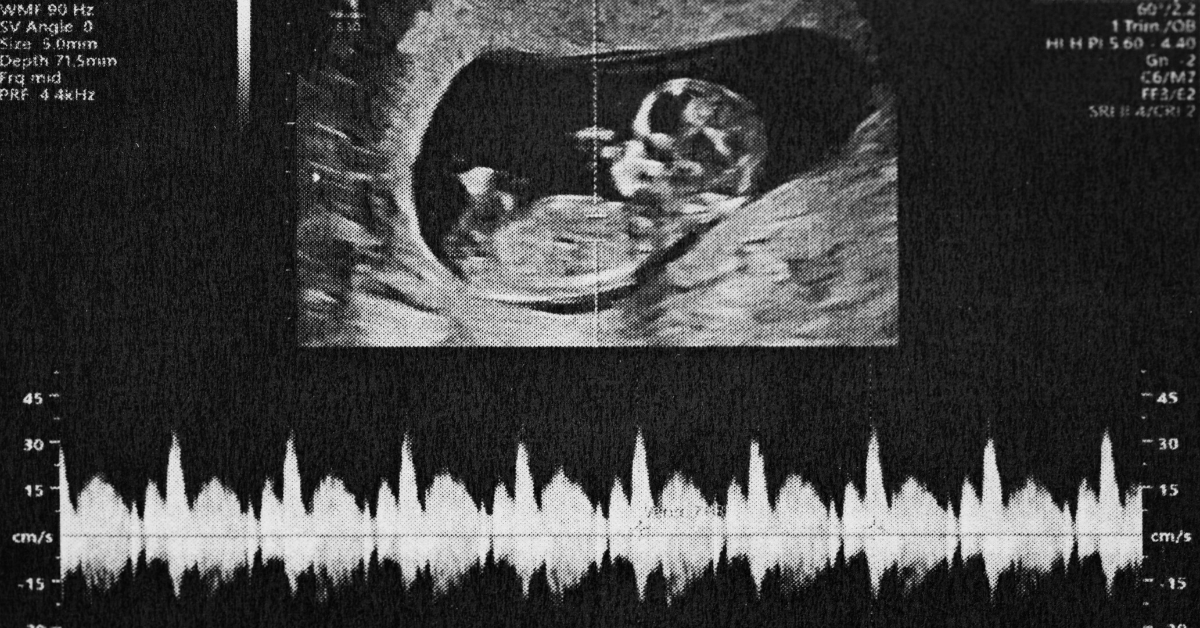
Many believe that a baby’s movements can hint at their gender, but scientific evidence is limited.
The Fascination with Baby Movements and Gender Prediction
The anticipation of welcoming a new baby brings a whirlwind of emotions and questions. Among these, one intriguing query often arises: “Can my baby’s movements predict if I’m having a boy or a girl?” Expecting parents frequently find themselves pondering whether the intensity, frequency, and type of fetal movement might offer clues about the baby’s gender. This curiosity stems from age-old folklore and cultural beliefs that suggest distinct differences in how boys and girls move in the womb.
As I navigate through this fascinating topic, it becomes clear that while many anecdotal stories exist, scientific evidence remains scarce. The notion that fetal movements could indicate gender is more rooted in tradition than in fact. Yet, the journey through pregnancy is filled with wonder, and understanding fetal movements can be both informative and reassuring.
Understanding Fetal Movements
Fetal movements typically begin to be noticeable around 18 to 25 weeks of pregnancy. Initially described as gentle flutters, these movements evolve into more pronounced kicks and rolls as the baby grows. As I reflect on my own experiences or those shared by friends, it’s evident how unique each pregnancy can be.
Fetal movement is crucial for the baby’s development and well-being. It indicates that the baby is active and healthy. The frequency and strength of these movements can vary widely among individuals. Factors such as maternal health, placental location, and even time of day influence how often one feels their baby moving.
Types of Fetal Movements
Fetal movements can be categorized into several types:
- Kicks – strong jabs felt in various parts of the abdomen.
- Rolls – a sensation of the baby shifting position.
- Hiccups – rhythmic jerks caused by diaphragm contractions.
- Swims – soft movements resembling gliding or floating.
Each type of movement can convey different messages about the baby’s activity level and comfort within the womb.
Factors Influencing Fetal Movement Patterns
A variety of factors can influence how often a mother feels her baby move:
- Gestational Age: As pregnancy progresses, movements become more pronounced due to increased size.
- Maternal Activity: A busy day may lull a baby to sleep; quiet moments often prompt more activity.
- Food Intake: Certain foods or drinks may stimulate increased movement due to changes in blood sugar levels.
Interestingly, some believe that boys are generally more active than girls during pregnancy. However, studies haven’t conclusively supported this notion.
Tracking Movement for Peace-of-Mind
Quick-look Trimester Guide
| Trimester | What you’ll likely feel | Smart check-in |
|---|---|---|
| First (≤ 12 wk) | Too small to notice; ultrasound spots tiny jolts | Focus on nutrition & prenatal visits |
| Second (≈ 16-27 wk) | Flutters grow into distinct kicks; pattern still erratic | Start noting timing—many parents feel 10+ kicks after dinner |
| Early third (28-34 wk) | Regular rolls, swishes, and hiccups most evenings | Begin daily kick counts (10 moves ≤ 2 h is usual) |
| Late third (≥ 35 wk) | Space’s tight, so movements feel slower but stronger pushes | If pattern drops, lie on your left side and re-count—call if still quiet |
Kick-count Basics—No Gadgets Required
Pick an hour when baby is normally lively (post-meal works for many). Sit or lie on your left side—this boosts blood flow to the uterus—then time how long it takes to feel ten distinct movements. Most healthy babies hit that mark in well under an hour, but anything up to two hours is still within range.
If you come up short, drink a glass of cold water, change position, and try again. Still fewer than ten? Ring your midwife or OB straight away; prompt monitoring can make all the difference.
Day-to-Day Factors You Can Control
- Meal Timing: Spikes in blood sugar after a snack often wake baby, yet very low glucose may lull them.
- Activity Bursts: A brisk walk rocks the uterus like a hammock, so little ones tend to snooze until you sit down. That’s why counts are best done at rest.
- Sleep Position: Regular side-sleeping—especially on the left—keeps oxygen-rich blood flowing smoothly and is tied to both stronger movement perception and lower stillbirth risk late in pregnancy.
When to Pick Up the Phone
Call your provider if you notice:
- A sudden, sustained drop in your baby’s usual rhythm (e.g., fewer than ten moves in two hours on two attempts).
- Intense, frantic movement followed by silence—an abrupt burst can precede distress.
- Any gut feeling that something’s off. Your instincts and real-time data work hand in hand.
Folklore vs. Science
Cultural beliefs abound regarding predicting a baby’s gender based on movement patterns. For instance, some say if a mother carries low or feels stronger kicks on one side, it might indicate a boy; whereas softer movements might suggest a girl. These beliefs are often passed down through generations but lack scientific backing.
While folklore offers an element of fun during pregnancy, it’s essential to approach such claims with skepticism. Scientific research has yet to establish any concrete relationship between fetal movement patterns and gender prediction.
The Science Behind Gender Prediction
The determination of a baby’s sex occurs at conception when sperm fertilizes an egg carrying either an X or Y chromosome. This genetic makeup is fixed from that moment onward; however, understanding why certain traits manifest remains an area of ongoing research.
Studies investigating fetal development have focused on various aspects—such as hormone levels and physical characteristics—rather than movement patterns as indicators of gender. For instance:
- Hormonal Differences: Research suggests that males may produce higher levels of testosterone during gestation compared to females.
- Physical Development: Boys may develop slightly larger structures during specific gestational stages than girls.
Yet none of these factors directly correlate with observable movements in utero.
Research Findings on Fetal Movement Patterns
Current literature primarily emphasizes monitoring fetal movement for health rather than gender prediction. Research on maternal mood and fetal movement is mixed. Some data show that heightened anxiety can increase a mother’s perception of kicks, likely because she is more alert to subtle flutters, while other work finds no measurable change in objective movement counts. What’s consistent is this: any sustained reduction in your baby’s usual pattern—regardless of mood—deserves a prompt call to your care provider.
| Type of Study | Focus Area | Findings |
|---|---|---|
| Fetal Activity Monitoring | Health Indicators | Increased activity linked to better health outcomes. |
| Maternity Stress Studies | Anxiety Effects | Perception of movement may increase or show no change; patterns still under study. |
| Hormonal Research | Sex Differences | Males show higher testosterone levels during gestation. |
| Ultrasound Studies | Developmental Health | No correlation found between movement patterns and gender. |
This table highlights key research areas related to fetal movement while reinforcing that no conclusive evidence supports using these patterns for gender prediction.
The Emotional Aspect of Pregnancy Movements
Feeling those first flutters transforms into something magical as time passes by; every kick serves as a reminder that life is growing within me (or any expecting parent). The emotional connection deepens with each movement—a gentle reassurance that all is well inside.
In moments when anxiety creeps in—perhaps after feeling fewer kicks—it’s natural to worry about the baby’s well-being rather than their gender. Monitoring these movements becomes vital not only for assessing health but also for fostering emotional bonds between parent and child.
It’s essential to remember that every pregnancy journey is unique; what works for one person may not apply to another. Keeping track of patterns can help identify any significant changes warranting medical attention without fixating solely on what those movements might mean regarding gender.
The Role of Medical Professionals
Healthcare providers play an invaluable role throughout pregnancy by offering guidance on monitoring fetal health—which includes assessing movement patterns. Regular check-ups provide opportunities for expectant parents to express concerns about both health and any myths surrounding gender predictions based on movement alone.
Ultrasounds offer further insight into development while allowing parents glimpses into their baby’s world before birth—often revealing critical information regarding growth rather than focusing solely on sex determination at this stage.
Ultimately, engaging openly with healthcare professionals helps demystify concerns while reinforcing trust in medical knowledge over folklore beliefs surrounding fetal movements predicting gender outcomes.
Conclusion – Can My Baby’s Movements Predict If I’m Having A Boy Or A Girl?
The belief that a baby’s movements can predict gender persists despite limited scientific backing. While cultural folklore adds excitement during pregnancy discussions about potential names or nursery themes, it’s crucial not to overlook the genuine purpose behind monitoring those precious kicks.
Fetal movements serve primarily as indicators of health rather than predictors of sex—and understanding this distinction fosters emotional connections while ensuring proper care throughout this transformative journey into parenthood!