
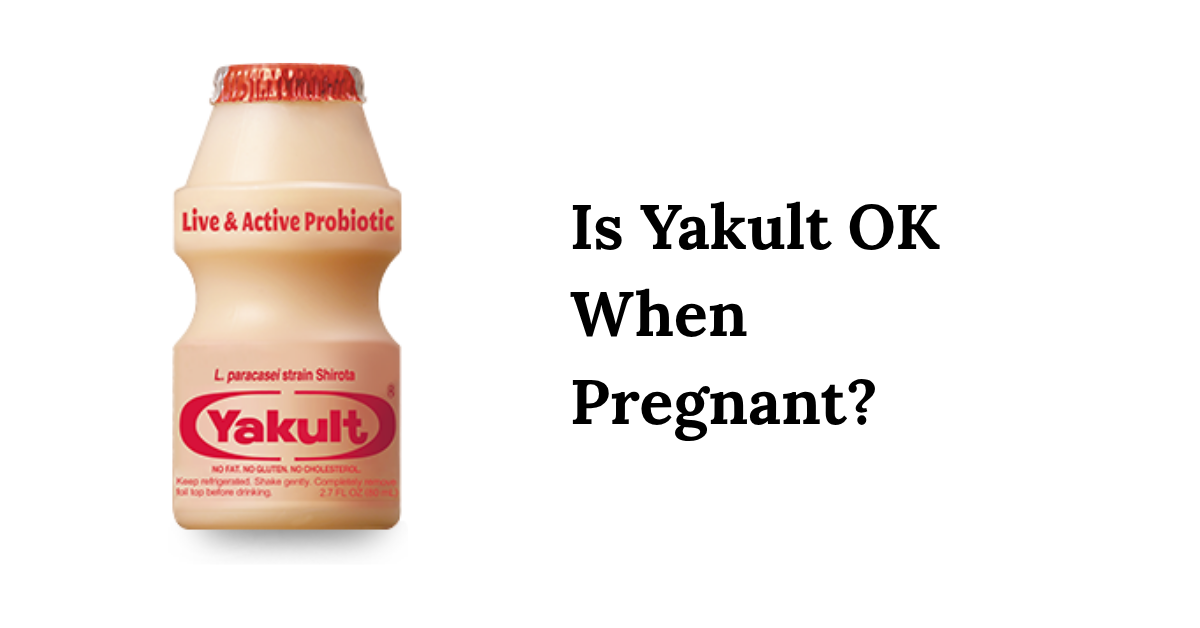
Yakult is generally considered safe during pregnancy, providing beneficial probiotics that support digestive health.
The Role of Probiotics During Pregnancy
Probiotics are live microorganisms that can confer health benefits when consumed in adequate amounts. During pregnancy, maintaining a healthy gut flora is crucial. The body undergoes numerous changes, and hormonal fluctuations can affect digestion. Probiotics can help balance the gut microbiome, potentially reducing issues like constipation and bloating. They may also play a role in enhancing the immune system, which is vital for both the mother and the developing fetus.
Research has indicated that probiotics may help prevent certain complications during pregnancy, such as gestational diabetes and preeclampsia. These benefits arise from their ability to modulate inflammation and improve metabolic health. However, not all probiotics are created equal, and the choice of probiotic strains can significantly influence their efficacy.
Understanding Yakult
Yakult is a popular probiotic drink containing the strain Lactobacillus casei Shirota. This strain is known for its resilience in the gastrointestinal tract and its ability to survive stomach acid. Each bottle of Yakult contains billions of these beneficial bacteria, which can help promote gut health.
The drink is often praised for its taste and ease of consumption, making it a favored choice among those looking to incorporate probiotics into their diet. However, it’s essential to consider whether it’s suitable for pregnant women.
Nutritional Profile of Yakult
Examining the nutritional content of Yakult provides insight into its suitability during pregnancy. Below is a table summarizing its key components:
| Nutrient | Per 100ml Serving |
|---|---|
| Calories | 50 kcal |
| Sugars | 11 g |
| Protein | 0.9 g |
| Fat | 0 g |
| Lactobacillus casei Shirota | 6.5 billion CFU |
This table illustrates that while Yakult contains sugars, it also offers a significant amount of probiotics per serving. The low-calorie count makes it an appealing option for those monitoring their weight during pregnancy.
Benefits of Yakult During Pregnancy
Incorporating Yakult into a pregnant woman’s diet can yield several benefits. Firstly, the probiotics in Yakult may aid digestion by promoting regular bowel movements and reducing constipation—common complaints during pregnancy due to hormonal changes and increased pressure on the intestines.
Moreover, consuming probiotics like those found in Yakult has been linked to improved immune function. This can be particularly important for pregnant women as their immune systems adapt to protect both themselves and their developing babies.
Research has also suggested that probiotics may help reduce the risk of certain infections during pregnancy, such as urinary tract infections (UTIs). Given that UTIs are more prevalent during this time due to physiological changes, incorporating probiotic-rich foods or drinks can be beneficial.
Potential Risks of Consuming Yakult While Pregnant
While many studies support the safety of consuming probiotics during pregnancy, some concerns exist regarding specific formulations or excessive intake. It’s vital to consider individual health conditions or allergies before adding new foods or beverages to one’s diet.
For instance, women with lactose intolerance may experience discomfort when consuming dairy-based products like Yakult. Although it’s low in lactose, some individuals may still react negatively. Additionally, those with compromised immune systems should consult healthcare providers before incorporating any probiotic products.
Overconsumption could also lead to gastrointestinal upset in some cases. Moderation is key; one bottle per day is generally recommended unless otherwise advised by a healthcare professional.
Consulting Healthcare Providers About Probiotics
Before introducing any new food or supplement into a diet during pregnancy, consulting with healthcare providers is always wise. They can provide personalized advice based on individual health profiles and dietary needs.
Healthcare professionals may recommend specific strains or dosages tailored to address particular concerns such as digestive issues or immune support. They can also monitor any potential interactions with prenatal vitamins or other supplements being taken.
Discussing dietary choices openly ensures that both mother and baby receive optimal nutrition without unnecessary risks. This proactive approach helps maintain peace of mind throughout the pregnancy journey.
The Bottom Line: Is Yakult OK When Pregnant?
The question remains: Is Yakult OK when pregnant? Based on current understanding and research findings, it appears safe for most pregnant women when consumed in moderation. The benefits associated with its probiotic content make it an attractive option for supporting digestive health and overall well-being during this critical time.
However, personal circumstances vary widely; what works for one person might not suit another’s needs or preferences. Therefore, listening to one’s body and seeking professional guidance remains paramount in making informed dietary choices throughout pregnancy.
In conclusion, integrating Yakult into a balanced diet offers potential advantages without significant risks for most expectant mothers—provided they remain mindful of their unique health considerations and consult healthcare professionals as needed. So yes—Yakult can indeed be part of a healthy pregnancy diet!