
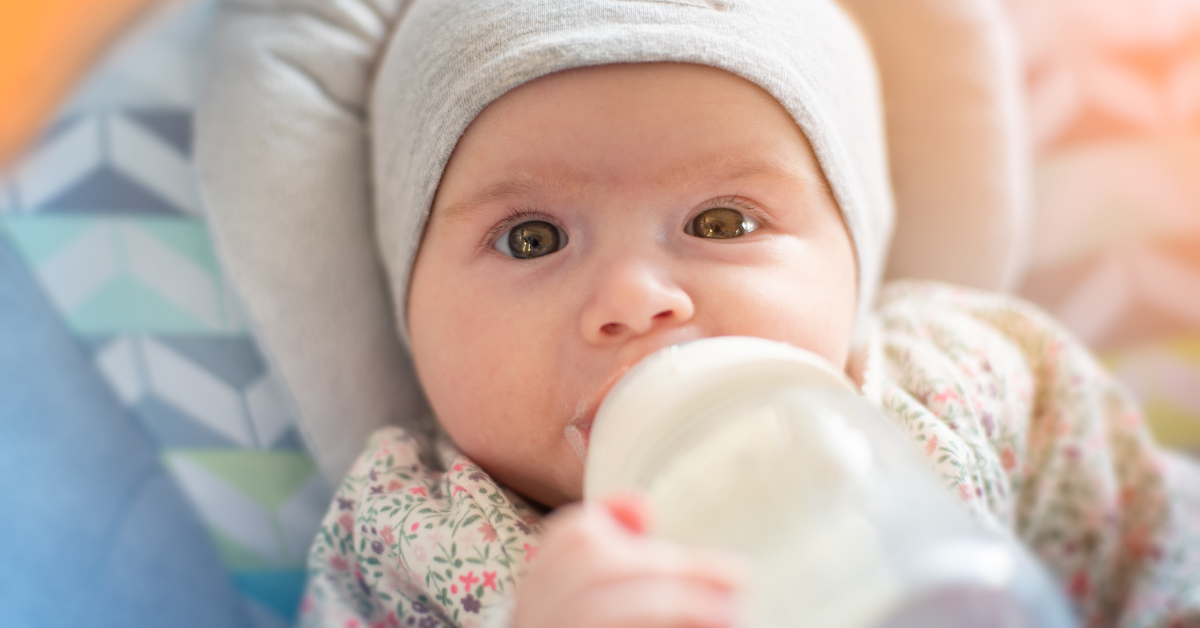
A 2-week-old typically drinks about 2 to 3 ounces per feeding, roughly every 2 to 3 hours.
Understanding Newborn Feeding Needs
Feeding a newborn can feel overwhelming, especially for first-time parents. Understanding how much your baby should eat is crucial for their growth and development. At two weeks old, infants are still adjusting to life outside the womb. Their stomachs are tiny, which directly impacts how much they can consume at each feeding.
Newborns have a natural instinct to feed frequently. This is essential for their nourishment and helps establish a healthy feeding routine. The amount of milk they consume will vary based on individual needs, but there are general guidelines that can help you track your baby’s intake.
The Basics of Newborn Feeding
During the first few weeks of life, babies typically feed every 2 to 3 hours. This means that in a 24-hour period, they might eat about 8 to 12 times. The frequency of feedings is influenced by several factors, including the baby’s weight, growth spurts, and whether they are breastfed or formula-fed.
For breastfed babies, it’s important to note that they may nurse for longer periods but still consume smaller amounts than formula-fed infants due to the nature of breast milk digestion. On average, a two-week-old will drink around 2 to 3 ounces per feeding.
Quick-Check Output Table
A fast visual of what “normal” looks like at two weeks—and when to ring the doctor.
| Indicator | Healthy Range @ 2 Weeks | Call Your Pediatrician If… |
|---|---|---|
| Wet diapers | 6 – 8 + per day, pale-yellow urine | Fewer than 6, or very dark urine |
| Stools | 1 – 3 + mustard-yellow (breastfed) or tan/green (formula) daily | Hard, dry pellets; blood; white/clay stool |
| Weight gain | ≈ 0.7 – 1 oz (20 – 30 g) daily after birth-weight regained | No gain over 48 h or continued loss beyond day 14 |
| Mood after feeds | Relaxed, sleepy, or quietly alert within 5 min | Inconsolable crying right after most feeds |
| Fontanel (soft spot) | Flat or slightly curved inward while calm | Persistently sunken or bulging |
Why Frequent Feedings Matter
Frequent feeding helps stimulate milk production in breastfeeding mothers. It also ensures that the baby receives adequate nutrition during this critical growth phase. Newborns grow rapidly in their first few weeks; hence, consistent feeding is essential for their overall health.
Parents often worry about whether their baby is getting enough milk. A good indicator is the number of wet diapers—around six or more per day is considered normal for a well-fed newborn.
How Much Should a Baby Drink? A Closer Look
| Age (Weeks) | Average Ounces per Feeding | Feedings per Day | Total Daily Intake (Ounces) |
|---|---|---|---|
| 1 – 2 | 1.5 – 3 | 8 – 12 | 16 – 36 |
| 3 – 4 | 3 – 4 | 7 – 9 | 21 – 36 |
| 1 month | 4 – 5 | 6 – 8 | 24 – 40 |
This table illustrates how feeding amounts and frequency evolve as your baby grows. In the first two weeks, the focus is on establishing a routine and ensuring your little one is getting enough nourishment.
The Type of Milk Matters: Breast Milk vs. Formula
The type of milk your baby consumes can also affect how much they drink at each feeding. Breast milk has unique properties that cater specifically to an infant’s needs, including antibodies that help build their immune system.
Breastfed babies may consume smaller amounts more frequently because breast milk digests faster than formula. Formula-fed babies might take larger quantities at less frequent intervals since formula is designed to be more filling.
When considering “How Many Oz Does A 2 Week Old Drink?”, it’s essential to factor in these differences between breastfeeding and formula-feeding practices.
The Role of Growth Spurts in Feeding Frequency
Growth spurts are common during infancy and usually occur around two weeks old, among other milestones. During these phases, you may notice your baby wanting to feed more often. This increased demand signals your body (if breastfeeding) to produce more milk and ensures that your little one gets the nutrients needed for rapid growth.
Being responsive to these cues is vital; if your baby seems hungrier than usual, offer them the breast or bottle without hesitation.
The Importance of Monitoring Your Baby’s Health
As parents or caregivers, keeping an eye on your baby’s health indicators is crucial during these early weeks. Besides monitoring feeding patterns and diaper output, pay attention to weight gain as well.
Most newborns drop a little weight the first few days but usually regain their birth weight by day 10–14. Ideally, babies should gain about half an ounce to an ounce per day during this time frame.
If you have concerns about whether your baby is eating enough or gaining weight properly, consult with your pediatrician for personalized advice tailored to your child’s specific needs.
Signs Your Baby Is Hungry or Full
Hunger Cues:
- Rooting reflex (turning head toward anything that touches their cheek)
- Smacking lips
- Sucking on hands or fingers
- Fidgeting or becoming restless
Fullness Cues:
- Turning head away from the bottle or breast
- Slowing down sucking
- Closing mouth tightly
- Relaxed body posture
Understanding these cues allows you to respond appropriately without forcing feedings when they’re not needed.
Decoding Diapers: Why Output Beats Ounces
A two-week-old can’t tell you numbers, but their diapers speak volumes. Wet diapers confirm hydration, while stool color and texture reveal digestion efficiency. Paired with steady weight gain, these signs trump obsessing over exact ounces—especially for direct-breastfeeding families who can’t “see” intake.
Sample 24-Hour Feeding Log (And How to Read It)
| Time | Intake | Output | Parent Notes |
|---|---|---|---|
| 02 : 00 a.m. | Left + right breast, ~15 min total | Wet | Quick latch, calm |
| 04 : 30 a.m. | 2 oz expressed milk | Wet + stool | Yellow seedy stool |
| 07 : 00 a.m. | 2.5 oz formula | Wet | Spit-up dime-size |
| 10 : 00 a.m. | Left breast, 10 min | Wet | No issues |
| 12 : 30 p.m. | 3 oz formula | Wet | |
| 03 : 00 p.m. | Left + right breast, 20 min | Wet | |
| 06 : 00 p.m. | 2 oz expressed milk | Wet + stool | Tan paste stool |
| 08 : 30 p.m. | 3 oz formula | Wet | |
| 11 : 00 p.m. | Right breast, 12 min | Wet | Settled quickly |
Keeping a brief log for just a few days can uncover patterns—cluster-feeding hours, spit-up triggers, or a sudden drop in diapers that might hint at dehydration. Bring the log to check-ups; pediatricians love real data.
Safe Bottle Preparation & Storage Tips
- Formula math: Aim for roughly 2½ oz per pound of body weight per day, not exceeding about 32 oz in 24 hours.
- Fresh breast-milk rules: Room-temperature up to 4 h, fridge 4 days, freezer 6 months. Thaw in the fridge—never microwave—to preserve antibodies.
- Powder hygiene: Use boiled, cooled water within 30 minutes of boiling. Discard any mixed formula left at room temperature for longer than 2 h.
- Night prep hack: Pre-measure powder into sterile dispensers so you only add water during those 3 a.m. feeds.
- Nipple flow check: Too-fast flow can cause gulping and gas; too-slow leads to frustration. Swap sizes as baby grows.
Responsive, safe prep keeps milk nutrient-rich and cuts contamination risk—crucial for brand-new immune systems.
Navigating Common Concerns About Feeding Amounts
Concern: My Baby Seems Hungry All The Time
It’s normal for newborns to want frequent feedings—this helps stimulate growth and ensure proper nutrition. As long as they’re gaining weight appropriately and producing enough wet diapers, you’re likely doing just fine!
Concern: My Baby Spits Up After Feedings
Spitting up can be common among infants due to their immature digestive systems. If spitting up occurs occasionally and doesn’t seem distressing for your baby, it’s usually not a cause for concern. However, if it becomes excessive or is accompanied by other symptoms like fussiness or poor weight gain, consult with a healthcare provider.
Concern: How Do I Know If I’m Overfeeding?
Overfeeding can lead to discomfort for babies; signs may include excessive spit-up or fussiness after meals. It’s important not only to measure ounces but also to pay attention to how your baby responds during feedings—if they seem uncomfortable after eating what you believe is an appropriate amount, consider reducing the quantity slightly next time.
The Role of Pediatricians in Your Feeding Journey
Regular check-ups with a pediatrician are vital during these early months as they provide guidance tailored specifically for your child’s growth patterns and nutritional needs. They can help assess whether you’re on track with feeding amounts based on factors like age and weight-gain progressions.
Pediatricians often recommend keeping a record of feedings along with diaper changes—this data can be invaluable during appointments since it provides concrete information regarding your baby’s habits over time.
Coping Strategies for New Parents During Feeding Times
Create a Calm Environment
Establishing a peaceful space free from distractions helps both you and your baby focus on bonding during feedings—soft lighting and gentle music can create a soothing atmosphere conducive to relaxation.
Stay Flexible
While routines matter greatly for infants’ development, staying flexible allows room for adjustments based on daily fluctuations in hunger levels, developmental milestones, or even environmental changes (like teething).
Seek Support
Don’t hesitate to reach out to friends or family members who have experience with newborn care! They may offer helpful insights into managing challenges faced while navigating this new chapter together.
Key Takeaways: How Many Oz Does A 2 Week Old Drink?
- Newborns typically drink 1.5 to 3 ounces per feeding.
- Feeding frequency is usually every 2 to 3 hours.
- Growth spurts may increase appetite temporarily.
- Always consult a pediatrician for personalized advice.
- Watch for signs of hunger and fullness in your baby.
Frequently Asked Questions
How many ounces does a 2-week-old drink at each feeding?
A 2-week-old typically drinks about 2 to 3 ounces per feeding. This amount can vary slightly based on the baby’s individual needs and whether they are breastfed or formula-fed. Understanding these needs is crucial for ensuring your newborn receives adequate nutrition.
How often does a 2-week-old drink?
Newborns, including those who are 2 weeks old, usually feed every 2 to 3 hours. This frequency ensures they get enough nourishment during their rapid growth phase. On average, a baby may feed about 8 to 12 times in a 24-hour period.
What factors influence how much a 2-week-old drinks?
Several factors can affect how much a 2-week-old drinks, including the baby’s weight, growth spurts, and whether they are breastfed or formula-fed. Each baby is unique, so it’s important to observe their hunger cues and adjust feeding accordingly.
How can I tell if my 2-week-old is getting enough milk?
A good indicator that your 2-week-old is getting enough milk is the number of wet diapers. Typically, six or more wet diapers per day suggest adequate hydration and nutrition. Monitoring weight gain during pediatric visits also helps assess their intake.
Does the type of milk affect how much a 2-week-old drinks?
Yes, the type of milk can influence how much a baby consumes at each feeding. Breast milk is digested differently than formula; thus, breastfed infants may nurse longer but consume smaller amounts compared to formula-fed babies. Each method has its own benefits.
Conclusion – How Many Oz Does a 2 Week Old Drink?
Most two-week-olds thrive on 2–3 oz of breast milk or formula every 2–3 hours. Watch for six or more wet diapers a day, steady weight gain, and a calm, content baby after feeds—those simple cues confirm you’re on track. Pair these daily checks with regular pediatric weigh-ins, adjust amounts as growth spurts hit, and you’ll keep your little one well-nourished through this early, lightning-fast stage of development.