
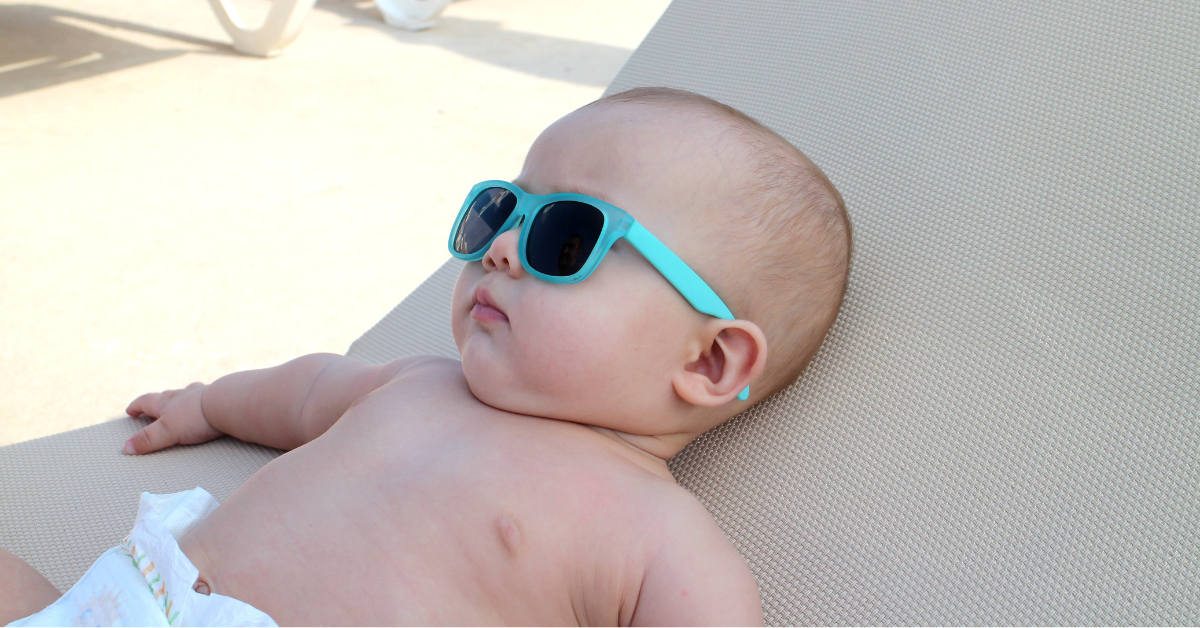
Yes, you can take your three-month-old to the pool, but you must control water temperature, limit time in the water, and stay within arm’s reach at all times.
Understanding the Basics of Infant Swimming
Taking a three-month-old to the pool is a decision many parents contemplate. Infants are naturally drawn to water, often displaying a calm demeanor when submerged. However, it’s crucial to understand that while babies can enjoy water, their safety and comfort should always come first. Babies at this age are still developing their immune systems, and exposure to public pools can sometimes introduce them to germs and bacteria.
Swimming can be beneficial for infants in various ways. It helps with muscle development, coordination, and even social skills when interacting with other children. The buoyancy of water can provide a unique sensory experience that is both soothing and stimulating. However, parents need to take specific precautions before diving in.
Health Considerations Before Swimming
Consulting a Pediatrician
Always consult your pediatrician before introducing your baby to swimming. They can provide personalized advice based on your child’s health history and development. Some infants may have conditions that make swimming inadvisable at this age.
Assessing Immunity
At three months old, babies have limited immunity. Public pools can harbor bacteria like E. coli or cryptosporidium, which can cause gastrointestinal issues or infections. Ensure your baby is healthy and has received any necessary vaccinations before visiting crowded places.
| Waterborne Germ | Common Symptoms in Babies | Prevention Quick-Win |
|---|---|---|
| Cryptosporidium | Watery diarrhea lasting up to two weeks, low-grade fever | Bathe baby before entry; change swim diaper every 30 min; stay home if any GI upset |
| Pseudomonas (hot-tub rash) | Red, itchy bumps that form within 24 h | Skip poorly chlorinated spas; rinse baby within five minutes post-swim |
| Adenovirus | Pink eye, sore throat | Avoid crowded pools during outbreaks; don’t share towels |
Skin Sensitivity
Infants have delicate skin that is more susceptible to irritation from chlorine or other chemicals found in pool water. Always check for any skin reactions after swimming sessions and consider using a swim diaper designed for infants.
Choosing the Right Pool Environment
Temperature Regulation
For babies under six months, aim for 89 °F to 94 °F (32 °C – 34 °C)—warm enough to prevent rapid heat loss yet below hot-tub range. Water that’s too cold can shock their system, while excessively warm water can lead to overheating. If the pool is outdoors, consider the surrounding weather conditions as well.
Cleanliness of the Pool
Choose a well-maintained pool that adheres to health regulations regarding cleanliness and chemical balance. Look for signs that the pool is regularly tested for pH levels and chlorine content.
Adequate Supervision Areas
Ensure there are designated areas for families with young children. Shallow pools or sections specifically designed for infants are ideal as they provide a safe space where parents can comfortably supervise their babies.
Safety Gear for Infants
Swim Diapers
Invest in swim diapers designed specifically for swimming activities. Regular diapers will absorb water and become heavy, which could be uncomfortable for your child.
Sun Protection
If you’re swimming outdoors, protect your baby’s delicate skin from harmful UV rays by dressing them in lightweight long-sleeve swimsuits or rash guards with UPF protection. Don’t forget a wide-brimmed hat and baby-safe sunscreen on exposed areas of skin.
Life Jackets
US Coast Guard–approved infant PFDs rarely fit swimmers under about 18 lb (8 kg), and none are designed for casual pool play. In the water, your arms are the safest “flotation device”: keep your baby within reach at all times. Reserve well-fitting PFDs for boating or open-water trips.
Spotting Temperature Trouble
Even in warm water, babies shed body heat four times faster than adults. Watch for glazed eyes, bluish lips, or trembling limbs—classic cues your little swimmer needs an immediate cuddle-wrap and warm drink. Conversely, flushed cheeks, rapid breathing, or lethargy in very warm pools signal overheating. Two minutes out of the water usually re-balances them; if not, end the session and call your pediatrician.
After-Swim Skin Care
A quick, tepid shower (60 seconds is enough) washes off chlorine and urine by-products that sap natural oils. Pat—never rub—skin dry, then seal moisture with a fragrance-free emollient. If your baby has eczema, pick a cream containing ceramides and dress them in breathable cotton to calm post-swim flare-ups.
Pool-Day Packing List
- Two swim diapers per 30 minutes
- Rash guard with UPF 50+ and a soft-brim sun-hat
- Insulated bottle of room-temperature breast milk or formula
- Compact microfiber towel for rapid dry-offs
- Travel-size baby wash and moisturizer to neutralize chlorine on the spot
Introducing Your Baby to Water: Tips & Techniques
Start by allowing your baby to explore the water gradually. Hold them close while sitting on the pool’s edge or in shallow areas where they feel secure. Let them splash their feet in the water before fully submerging them.
Use Gentle Movements
When you’re ready to introduce them to deeper water, use slow movements while holding them securely under their arms or supporting their head if they’re not yet able to hold it up independently.
| Age Group | Recommended Activities | Safety Tips |
|---|---|---|
| 0-6 Months | Splashing feet; gentle floating; tummy time on floating devices | Avoid deep waters; always hold baby securely; watch for signs of discomfort |
| 6-12 Months | Splashing; playing with floating toys; short dips | Introduce parent-child water classes; ensure proper flotation devices are used |
| 1 Year+ | Paddling; basic swim skills; group play | Supervise constantly; encourage safe practices like holding onto edges |
The Importance of Supervision While Swimming
Your Role as a Parent or Guardian
Stay within arm’s reach at all times when your baby is in or near water. Even if they’re in shallow areas, accidents can happen quickly. Being vigilant allows you to react promptly if needed.
Avoid Distractions
It’s easy to get distracted by conversations or phone notifications while at the poolside. Make it a point to remain focused on your child during swimming sessions so you don’t miss any potential hazards.
The Benefits of Early Swimming Experiences
Cognitive Development
Water play stimulates cognitive growth through sensory experiences—feeling different textures, temperatures, and movements enhances neural connections in developing brains.
Physical Coordination & Strengthening Muscles
Swimming promotes physical activity that strengthens muscles and improves coordination from an early age. The resistance provided by water encourages babies to move more actively than they might on land alone.
Pacing Your Baby’s Swimming Sessions
Keep sessions short initially—around 10–15 minutes—to avoid overwhelming them with sensory overload or fatigue.
Acknowledge Their Cues
Pay attention to signs of tiredness or discomfort such as fussiness or turning away from the water—these signals indicate they may need a break or want out of the pool altogether!
When to Skip the Pool
Postpone splash-day if your baby has a fever, skin infection, new vaccination soreness, or visible diarrhea. Stay away for two weeks after the last loose stool to help prevent pool-borne outbreaks. Any open skin—such as a healing umbilical stump or eczema flare—also warrants clearance from your pediatrician before returning to the water.
The Role of Swim Lessons for Infants
Selecting Qualified Instructors
Look for certified instructors who specialize in teaching infants so you know they’ll employ proper techniques suited for young children’s developmental stages.
The Focus on Safety Skills
Before the first birthday, classes should focus on gentle water-familiarisation—singing, splashing, and parent bonding—while formal survival-skill lessons generally start after 12 months.
Coping With Common Concerns
Panic Over Water Safety
Many parents fear potential drowning risks associated with introducing babies too soon—but remember: accidents happen primarily due to lack of supervision! By staying vigilant during swim time and following established guidelines, you significantly reduce the risks involved.
Key Takeaways: Can I Take My Three-Month-Old to the Pool?
- Consult your pediatrician before taking your baby to the pool.
- Choose a warm pool to keep your baby comfortable and safe.
- Limit exposure time to prevent overheating or chilling.
- Use swim diapers to ensure hygiene and prevent accidents.
- Always supervise your baby closely while in or near water.
Frequently Asked Questions
Can I take my three-month-old to the pool safely?
Yes, you can take your three-month-old to the pool, but safety is paramount. Ensure that you are vigilant about their comfort and health. Always consult your pediatrician to ensure your baby is ready for this experience. It’s essential to monitor water temperature and cleanliness when choosing a pool for your infant.
What health considerations should I keep in mind when taking my three-month-old to the pool?
Before taking your three-month-old to the pool, consider their limited immunity. Public pools can expose them to harmful bacteria. Ensure your baby is healthy and has received necessary vaccinations. Consulting a pediatrician is vital to assess any specific health concerns before swimming.
How can I ensure my three-month-old is comfortable at the pool?
To keep your three-month-old comfortable at the pool, maintain a water temperature between 89 °F and 94 °F (32 °C – 34 °C). This range helps prevent shock from cold water or overheating from warm water. Additionally, consider using swim diapers designed specifically for infants to prevent any messes while enjoying the water.
What should I look for in a pool environment for my infant?
Selecting the right pool environment is crucial when taking your three-month-old swimming. Look for well-maintained pools that adhere to health regulations regarding cleanliness and chemical balance. A clean pool with regularly tested pH levels and chlorine content will help ensure a safer swimming experience for your baby.
Are there any benefits of taking my three-month-old to the pool?
Yes, there are several benefits to taking your three-month-old to the pool. Swimming can aid in muscle development, coordination, and social skills as they interact with other children. The buoyancy of water provides a unique sensory experience that can be both soothing and stimulating for infants.
Your Child’s Comfort Is Key
Ultimately, ensuring comfort matters most when engaging little ones with aquatic environments. If they show signs of distress—such as crying—remove them immediately from situations causing anxiety! Encouragement goes further than pressure; allow exploration without forcing participation beyond what feels right. Your child’s happiness matters most.
Incorporating fun games into playtime encourages positive associations toward future visits. For instance, blowing bubbles together creates laughter while fostering confidence within watery surroundings. Remember: every child develops differently—what works best varies individually. If one method doesn’t seem effective, try another approach until finding something enjoyable together. This sets up future successes beyond infancy into toddlerhood!
This journey toward aquatic familiarity begins now. The earlier we start our little ones off right—the more comfortable they’ll be down the road. Your efforts today lay groundwork for tomorrow. If you’re still asking yourself “Can I take my three-month-old to the pool?” rest assured: yes—you absolutely can do so safely. Your child deserves every chance possible to enjoy life’s simple pleasures, including splashing around happily. When done thoughtfully, it becomes an adventure worth sharing time after time again. If all precautions are taken into account, the joy experienced far outweighs initial concerns faced along the way. The journey toward aquatic familiarity begins now, and your child will thank you later.