
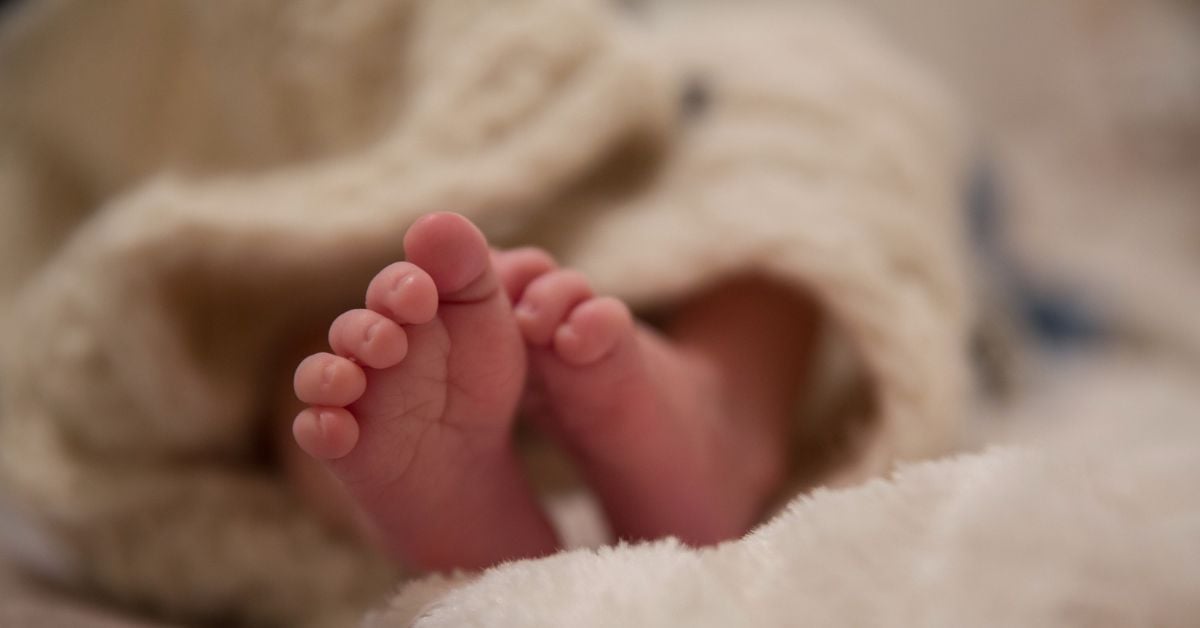
Babies kick their legs often due to natural reflexes, muscle development, or excitement, reflecting their growth and exploration.
Kicking is a common sight when observing babies. It’s fascinating to watch how their little legs move with such enthusiasm. But what drives this behavior? Why does my baby kick his legs so much? Understanding the reasons behind this can shed light on a baby’s development, comfort level, and emotional state.
| Kick Type | Age Range | Possible Reason | Parent Response |
|---|---|---|---|
| Reflexive Startle Kicks | 0–6 months | Moro, or startle, reflex | Provide gentle support; swaddle safely if needed |
| Stepping (Dance) Reflex | 0–2 months | “Walking” reflex when feet touch a surface | Hold upright with full support; allow brief safe floor contact |
| Tummy-Time Practice Kicks | Newborn months and beyond | Muscle strengthening and motor practice | Encourage short supervised sessions daily |
| Excitement Kicks | 2–8 months | Joy, curiosity, and social response | Engage with play, talking, songs, or toys |
| Gas-Relief Kicks | Any age | Digestive discomfort | Try bicycle-leg motion or gentle tummy rubs |
| Sleep-Related Twitching | 0–12 months | Active sleep movements | No action needed if baby is otherwise well |
| Standing/Balance Kicks | 9–12 months | Balance practice | Offer hands-on support as baby pulls up or stands |
The Reflexive Nature of Kicking
Newborns are equipped with a range of reflexes that help them navigate their new environment. One of these is the startle reflex, known as the Moro reflex. When a baby feels a sudden change in position or hears a loud noise, they may kick their legs, fling their arms, or cry briefly. This response is normal in young babies and typically fades as the nervous system matures. Cleveland Clinic’s overview of the Moro reflex explains that this startle response is usually gone by about 6 months.
As I observed my own child, I noticed that every time there was a loud noise or an unexpected movement, those little legs would go into action. It’s almost like an instinctual response. This reflex not only helps babies react to their environment but also shows how their nervous system is developing.
Developing Muscle Strength and Coordination
Kicking is also an essential part of developing muscle strength and coordination. Babies spend a lot of time lying on their backs, and kicking helps them build the muscles they need for future milestones like rolling, crawling, standing, and walking. Each kick strengthens those tiny leg muscles, preparing them for more complex movements down the line.
I remember watching my baby kick vigorously during tummy time. It was as if he was practicing for some future athletic event! Those moments of kicking are vital; they encourage not just muscle strength but also coordination between limbs.
Exploring Emotions Through Movement
Kicking can be an expression of emotion as well. Babies often kick when they’re excited or happy. Whether it’s during playtime or when they see a familiar face, those little legs start moving in delight. It’s heartwarming to see how much joy can be expressed through such simple movements.
During playdates with other babies, I noticed that when they were engaged with toys or each other, the kicking intensified. It seemed like a language of its own—one that conveyed excitement and curiosity about their surroundings.
Recognizing Discomfort
Sometimes, kicking can signal discomfort or frustration. If a baby is gassy or has an upset stomach, they might kick their legs more frequently as a way to respond to that discomfort. In these instances, it’s essential to observe other signs that may accompany the kicking.
For instance, if my baby was kicking along with fussiness, crying, pulling the legs toward the belly, or arching the back, I would consider checking for gas, diaper irritation, hunger, or tiredness. It’s intriguing how babies communicate through movement; those kicks often tell us something about their physical state.
Differentiating Emotional Expression from Discomfort
Emotional & Excitement Kicks
When babies see a favorite face, toy, or bottle, kicks can ramp up to show delight. These lively, rhythmic kicks often come with coos, smiles, wide-eyed attention, or reaching movements. In that setting, kicking is usually a healthy sign of engagement.
Discomfort & Gas-Relief Kicks
Rapid, urgent leg flails accompanied by crying, a tight belly, squirming, or arching the back can signal gas or tummy pain. A gentle bicycle-leg motion, tummy massage, burping, or a short cuddle break may offer relief. If discomfort seems severe, persistent, or unusual, contacting a pediatrician is the safer choice.
Stress & Overstimulation Signals
If kicks become frantic or prolonged without other joyful cues, your baby might be overwhelmed. In those moments, a quiet, dim environment often calms them down. Babies can become overstimulated from bright lights, loud sounds, too many visitors, or too much handling.
The Role of Stimulation
Babies thrive on stimulation—visuals, sounds, and textures all play a role in how they interact with the world around them. Kicking can be a response to stimulation as well as excitement. Bright colors and interesting sounds can prompt those little legs to move in delight.
I learned quickly that introducing new toys could lead to some serious leg action! Whether it was a colorful rattle or an engaging mobile overhead, each new stimulus seemed to elicit enthusiastic kicking. The key is balance: enough stimulation to encourage curiosity, but not so much that the baby becomes overwhelmed.
When to Seek Professional Advice
Recognizing Atypical Movement
Most baby kicking is normal, especially when it appears during play, excitement, stretching, gas, or sleep. However, very stiff movements, repeated jerking that does not stop, unusual limpness, one-sided weakness, or movements that come with color change, poor feeding, fever, or loss of responsiveness should be discussed with a pediatrician promptly.
Red Flags in Kicking
- Absent Moro reflex in a newborn or a very weak response early in life
- Moro reflex that remains strong beyond about 6 months
- Hyper-tonic, rigid, or very stiff kicks that do not relax
- Persistent asymmetry, such as one leg always moving much less than the other
- Repeated jerking with concerning symptoms, especially if the baby seems unresponsive or unwell
These signs do not automatically mean something serious is happening, but they do warrant a pediatric evaluation.
Talking to Your Pediatrician
Bring notes on frequency, timing, and any associated behaviors. Video clips can be especially helpful for specialists to observe firsthand. Try to record when the kicking happens, whether it occurs during sleep or wakefulness, and whether it appears with crying, feeding problems, fever, stiffness, or developmental concerns.
The Influence of Sleep Patterns
Sleep is another factor influencing how much babies kick their legs. During active sleep, babies may twitch, jerk their arms or legs, make small facial movements, or shift around. This behavior is usually normal and often reflects a developing brain and nervous system.
There were nights when I’d hear soft thuds coming from the crib only to find my baby kicking away in his sleep! These movements are usually part of normal sleep activity. If the movements are rhythmic, forceful, prolonged, or paired with breathing trouble, color change, or difficulty waking, it is worth getting medical advice.
Creating a Safe and Stimulating Environment
Choosing the Right Play Mat & Gear
A firm, non-slippery surface prevents sliding during kicks. Avoid loose blankets that could bunch up under little legs, especially during sleep. For awake play, a clean floor mat gives babies room to stretch, kick, roll, and practice early body control.
Age-Appropriate Toys for Leg Workouts
- Soft balls just out of reach encourage stretching
- Activity gyms with hanging toys invite coordinated kicks and reaches
- Infant-safe mirrors motivate head-lifting and core engagement
- Crinkle toys introduce sound and texture during supervised play
Incorporating Movement into Daily Routine
- Diaper-change leg lifts: gently lifting legs in sync builds coordination
- Holding baby upright: brief “standing” kicks against your hand can support balance practice when the baby is developmentally ready
- Music play: singing or clapping softly can encourage rhythmic movement
- Face-to-face play: smiling, talking, and responding to kicks helps babies connect movement with social interaction
How Parents Can Encourage Healthy Kicking
Encouraging healthy kicking habits can be beneficial for overall development. Tummy time is one effective way to promote leg movement while strengthening upper body muscles too. By providing opportunities for your baby to kick freely on safe surfaces like blankets or mats during supervised awake time, you’re fostering both physical and cognitive growth.
Incorporating music during playtime can also stimulate those little feet! Babies often respond positively to rhythm and sound; moving along with music encourages them not just to kick but also to develop coordination as they learn to move in time with beats.
Enhancing Muscle Development with Tummy Time
Why Tummy Time Matters
Performing tummy time daily helps babies build strength in their neck, shoulders, arms, core, and legs—foundational for rolling, crawling, sitting, and eventually walking. It also gives babies a break from always lying on the back of the head while they are awake and supervised.
Getting Started Safely
Start tummy time as soon as you bring baby home, as long as the baby is awake and supervised. Begin with short sessions and gradually increase as your baby tolerates it. The American Academy of Pediatrics’ HealthyChildren guidance says parents can begin with tummy time 2 to 3 times each day for 3 to 5 minutes, then build up as the baby gets stronger.
Always supervise tummy time and avoid placing the baby on the stomach for sleep. If your baby gets frustrated, try shorter sessions more often, place the baby on your chest, or use a rolled towel under the chest for brief support while watching closely.
Tips to Keep It Fun
- Use a mirror or bright toys to captivate their gaze.
- Lie face-to-face and talk or sing—it builds core strength and bonding.
- Try a rolled towel under their chest for extra support at first.
- Keep sessions short and positive so tummy time feels less frustrating.
Understanding Developmental Milestones
As babies grow older, kicking transitions into more advanced movements like rolling, crawling, pulling up, cruising, and eventually walking. Each phase builds upon the last; understanding this progression helps parents appreciate why kicking plays such an important role early on.
Tracking milestones can provide reassurance regarding your baby’s development journey. It’s fascinating how those initial kicks lead up to significant achievements like taking first steps!
A Closer Look at Leg Kicking Patterns
| Age Range | Kicking Behavior | Possible Reasons |
|---|---|---|
| 0–3 Months | Frequent random kicks | Reflexes, stretching, active sleep, and early muscle development |
| 4–6 Months | Kicks during excitement, playtime, and tummy time | Emotional expression, strengthening, and exploration |
| 7–12 Months | Kicks while sitting, playing with toys, or practicing balance | Increased coordination, stronger muscles, and engagement |
| 12+ Months | Kicks while standing, walking, or playing more actively | Maturing motor skills, balance development, and purposeful play |
The Joyful Side of Baby Kicks!
Watching my baby express himself through kicks brings immense joy—the sheer delight on his face while he discovers his power over movement is contagious! Each kick represents growth: physically, emotionally, and cognitively.
Celebrating these moments can strengthen bonds between parent and child while fostering confidence in exploring the world around them!
The Connection Between Kicking and Bonding Time
Engaging in activities that promote kicking not only aids physical development but also creates opportunities for bonding between parent and child. Simple games like gentle leg lifts during diaper changes can turn into cherished moments filled with laughter!
Incorporating playful interactions fosters trust while encouraging babies’ natural instincts toward movement—ultimately reinforcing positive associations surrounding physical activity!
Key Takeaways: Baby Kicking Behavior
➤ Reflexive Kicking: Babies may kick because of newborn reflexes like the Moro reflex.
➤ Muscle Development: Kicking strengthens leg muscles needed for rolling, crawling, standing, and walking.
➤ Emotional Expression: Kicking can show excitement, joy, curiosity, or engagement during play.
➤ Discomfort Signals: Frequent kicking with crying or squirming may indicate gas, tiredness, or stomach discomfort.
➤ Environmental Stimulation: Toys, sounds, faces, and movement can increase kicking activity in healthy ways.
➤ Medical Guidance: Stiff, one-sided, unusual, or concerning movements should be discussed with a pediatrician.
Frequently Asked Questions: Why Does My Baby Kick His Legs So Much?
What are the main reasons my baby kicks his legs so much?
Babies kick their legs for several reasons, primarily due to natural reflexes, muscle development, and emotional expression. Reflexive kicking is common in newborns and is part of their instinctual responses to stimuli. As babies grow, kicking becomes a way for them to strengthen their leg muscles, which is essential for future milestones like rolling, crawling, standing, and walking.
Additionally, kicking can indicate excitement or joy. When babies are engaged with their surroundings or during playtime, they often kick their legs as a form of expression. It’s crucial for parents to observe these behaviors to understand better what their baby is communicating through movement.
How does kicking contribute to my baby’s muscle development?
Kicking plays a significant role in developing muscle strength and coordination in babies. When they kick while lying on their backs or during tummy time, they engage various muscle groups that are crucial for developing gross motor skills. This activity helps build the foundation needed for more complex movements like crawling and walking.
The repetitive nature of kicking strengthens the leg muscles over time. As babies gain control over their movements, they become more coordinated, which further enhances their ability to explore and interact with the world around them.
Can kicking indicate discomfort in my baby?
Yes, kicking can sometimes signal discomfort or frustration in babies. If a baby is experiencing gas or an upset stomach, they may kick their legs more frequently as a response to that discomfort. Observing other signs accompanying the kicking can provide insights into what your baby may be feeling.
If you notice excessive kicking along with fussiness, crying, arching, a tight belly, or feeding difficulty, it could be worth investigating potential sources of discomfort such as gas, diaper irritation, reflux, or tiredness. Understanding these signals can help parents respond appropriately to their baby’s needs.
What role does stimulation play in my baby’s leg-kicking behavior?
Stimulation significantly influences how much babies kick their legs. Engaging visuals, sounds, and textures can prompt enthusiastic kicking as babies react to their environment. Bright colors and interesting toys often elicit leg movements as part of their exploration process.
Parents can enhance this experience by introducing new toys or changing the play environment regularly. Each new stimulus can encourage babies to express themselves through movement, making playtime more enjoyable and beneficial for development. If the baby seems overwhelmed, a quieter setting may help.
How does sleep affect my baby’s leg movements?
Sleep patterns also impact how much babies kick their legs. During active sleep, babies may exhibit increased movements including leg kicks, twitches, or small jerks. This behavior is usually normal and can be part of healthy sleep and nervous-system development.
If you notice your baby moving around while asleep, it’s typically not a cause for concern when the baby is breathing normally, has normal color, and settles afterward. However, unusual, forceful, repeated, or concerning movements should be discussed with a pediatrician.
What activities can I do to encourage healthy kicking?
Encouraging healthy kicking habits is essential for physical development. Activities like tummy time are particularly effective because they promote leg movement while also strengthening upper body muscles. Allowing your baby to kick freely on safe surfaces enhances both physical and cognitive growth.
You might also consider incorporating music during playtime; babies often respond positively to rhythm and sound. Moving along with music encourages not only kicking but also coordination as they learn to synchronize movements with beats.
How do developmental milestones relate to my baby’s kicking?
Kicking is closely related to various developmental milestones that occur as babies grow older. Initially random kicks evolve into more purposeful actions associated with emotional responses and physical growth. Understanding this progression helps parents appreciate why those early kicks are so important.
As babies develop from reflexive kicks at birth into purposeful movements like rolling, crawling, pulling up, and walking, each phase builds upon the last. Tracking these milestones serves as reassurance regarding your baby’s developmental journey.
How do I interpret my baby’s kicks during bonding time?
Kicking during bonding time can be interpreted as an expression of joy and engagement between parent and child. Simple interactions like gentle leg lifts during diaper changes turn into cherished moments filled with laughter and connection.
This playful interaction fosters trust while encouraging natural instincts toward movement in your baby, reinforcing positive associations surrounding physical activity and deepening the bond between parent and child.
What should I do if I’m concerned about my baby’s kicking behavior?
If you have concerns about your baby’s kicking behavior—whether it’s excessive, unusually stiff, one-sided, or paired with other symptoms—it’s always best to consult with a pediatrician. They can provide guidance based on your baby’s overall health and development history.
Keeping track of any accompanying symptoms or changes in behavior will help healthcare professionals assess your child’s needs accurately. Open communication about your observations ensures that any potential issues are addressed promptly while providing peace of mind for parents.
Conclusion – Why Does My Baby Kick His Legs So Much?
Understanding why does my baby kick his legs so much reveals layers beneath this seemingly simple behavior—from reflexes and muscle development to emotional expression, stimulation, sleep movements, and occasional discomfort signals.
Each moment spent observing these tiny movements serves as a reminder: every little kick contributes significantly toward building strength necessary for future adventures ahead. Most baby kicking is normal, especially when it happens during play, excitement, stretching, tummy time, or active sleep.
At the same time, parents should trust their instincts. If kicking seems unusually stiff, one-sided, repetitive in a concerning way, or paired with symptoms such as poor feeding, fever, breathing trouble, or delayed milestones, a pediatrician can provide the right evaluation.
Embracing these experiences creates lasting memories filled not just with joy but also love shared throughout this beautiful journey called parenthood!
References & Sources
- Cleveland Clinic. “Moro Reflex.” Explains what the Moro reflex is, why babies show it, and when it usually fades.
- HealthyChildren.org / American Academy of Pediatrics. “Back to Sleep, Tummy to Play.” Supports safe tummy-time guidance, including starting with short supervised sessions while the baby is awake.