
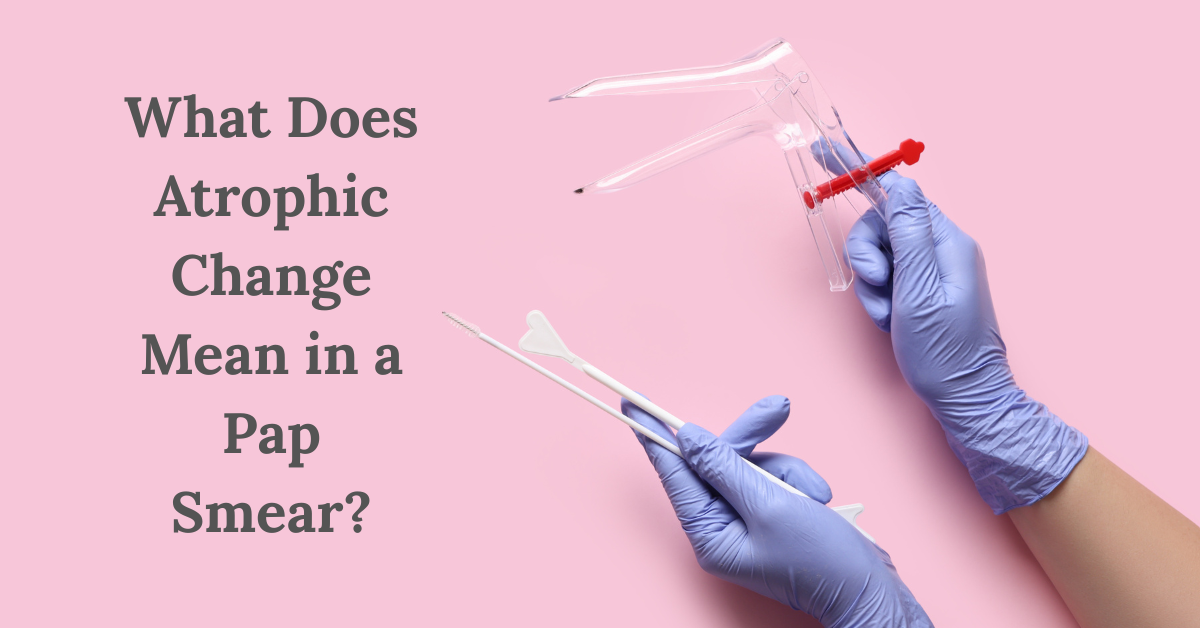
Atrophic change in a Pap smear indicates cellular changes often linked to hormonal shifts or aging.
Understanding Pap Smears
Pap smears play a crucial role in women’s health by helping detect cervical cancer and precancerous cervical cell changes. The test involves collecting cells from the cervix, which are then examined under a microscope. This routine screening helps identify abnormal cervical changes early, before they become more serious. It’s not just about cancer; Pap smear reports can also describe various cellular patterns, including changes related to hormonal fluctuations.
The procedure is typically quick and straightforward. A healthcare provider uses a speculum to open the vaginal walls, allowing access to the cervix. A small brush or spatula collects cells, which are then sent to a lab for analysis. Results usually come back within a few weeks, providing insights into cervical health.
Understanding what the results mean is vital for any woman. Regular screenings can lead to early intervention and better outcomes in managing health issues. Among these results, one term that often surfaces is “atrophic change.” But what does atrophic change mean in a Pap smear?
Decoding Atrophic Change
Atrophic change refers to alterations in the cervical or vaginal cells that occur due to a decrease in estrogen levels. This phenomenon is common during and after menopause, when the body undergoes significant hormonal shifts. As estrogen decreases, the cervix and vaginal walls may thin out, leading to less lubrication and increased fragility of tissues.
In essence, atrophic changes often represent a natural estrogen-related tissue change affecting cervical and vaginal cells. While it might sound alarming, it’s important to note that these changes don’t necessarily indicate cancer or serious health issues. Instead, they highlight how hormonal levels can impact cellular structure and function. Because atrophic cells can sometimes look crowded or immature on cytology slides, they may occasionally mimic more concerning abnormalities. In selected cases—especially when the sample is hard to interpret—clinicians may recommend symptom treatment, repeat testing, HPV testing, or further evaluation based on the full Pap result and the patient’s risk factors.
Real-World Triggers of Low Estrogen Beyond Menopause
Even though menopause grabs the headlines, plenty of everyday situations can drop estrogen enough to create an atrophic-looking Pap smear. Knowing the context helps you—and your doctor—spot the pattern fast.
| Scenario | Why Estrogen Plummets | What You Might Notice |
|---|---|---|
| Breast-feeding months | Prolactin can suppress ovarian hormone activity | Vaginal dryness, low libido, pale discharge |
| Competitive athletes / very low body-fat | Energy deficit can suppress the hypothalamus | Missed periods, stress fractures, hot-flash-like sweats |
| Long-term depot progestin or GnRH therapy | Medications may lower ovarian estrogen activity | Night sweats, thinner vulvar skin, Pap “atrophy” comments |
| Aromatase-inhibitor treatment after breast cancer | Drug blocks peripheral estrogen production | Burning, urinary urgency, recurrent UTIs |
| Premature ovarian insufficiency (<40 y) | Autoimmune, genetic, or idiopathic follicle loss | Sudden period stop, mood swings, atrophic smear |
Why Context Matters
If a 28-year-old marathoner or a new mom sees “atrophic change” on her results sheet, panic bubbles up. Understanding that the smear may be echoing a temporary hormonal valley—not premature aging—reframes the conversation. In many cases, improving energy intake, adjusting a medication plan with a clinician, or finishing lactation may allow estrogen levels and tissue comfort to improve over time.
Practical Self-Care When Atrophy Stings
A dry, fragile vagina can feel like sandpaper. Before jumping straight to prescriptions, line up simple wins:
- Daily moisture routine. Unscented, water-based moisturizers used regularly can help keep the epithelium more flexible so micro-tears are less likely to form.
- Skip the irritants. Harsh soaps, douches, and bubble baths can strip the protective surface layer, compounding dryness and burning.
- Build pelvic blood flow. Brisk walking, cycling, stretching, and pelvic-floor-friendly movement can support circulation and comfort over time.
- Point-of-care relief. Silicone-based lubricants often last longer for intercourse, while some non-hormonal gels or moisturizers can soothe daytime dryness or burning.
When to Ask for More Help
Call your clinician if itching keeps you awake, you spot blood after gentle intimacy, or you’ve had repeated Pap reports mentioning atrophy plus persistent symptoms. Depending on your medical history, options such as local estrogen, vaginal DHEA, oral ospemifene, or non-hormonal moisturizers may be considered. If you have a history of breast cancer or take aromatase inhibitors, do not start hormone-based vaginal therapy without discussing it with your oncology or gynecology team first.
The Role of Hormones
Hormones play an essential role in regulating many bodily functions, including reproductive health. Estrogen is particularly significant for maintaining the thickness and elasticity of vaginal and cervical tissues. As women age or experience menopause, estrogen levels decline sharply, triggering various physiological changes.
This decline can lead to symptoms like dryness, discomfort during intercourse, and an increased risk of irritation or urinary symptoms due to thinner tissues. In terms of Pap smears, these hormonal fluctuations may appear as atrophic changes in cervical or vaginal cells.
Understanding this relationship between hormones and cellular health is vital for women navigating their reproductive years and beyond. It emphasizes the need for regular check-ups and open discussions with healthcare providers about any concerns regarding hormonal health.
Recognizing Symptoms
While atrophic changes themselves might not present noticeable symptoms, they can be associated with other conditions stemming from decreased estrogen levels. Women experiencing these changes may notice symptoms such as vaginal dryness, irritation during intercourse, burning, spotting after sex, or increased urinary frequency.
These symptoms can significantly impact quality of life; hence addressing them with a healthcare provider becomes essential. They can recommend appropriate treatments or lifestyle adjustments to alleviate discomfort.
It’s worth noting that while atrophic changes are common among postmenopausal women, younger women may experience similar symptoms due to breast-feeding, intense athletic training, certain medications, hormonal imbalances, or medical conditions affecting hormone production.
Interpreting Pap Smear Results
Interpreting Pap smear results requires understanding various terminologies used by pathologists when analyzing cervical cells. The presence of atrophic change signals that there are alterations commonly linked to lower estrogen levels, but it doesn’t inherently indicate cancer or severe pathology.
Women should follow current cervical-cancer-screening guidance: the CDC cervical cancer screening guidance explains that Pap and HPV tests help prevent cervical cancer or find it early, and that Pap testing generally begins at age 21. From age 30 to 65, common screening options include primary high-risk HPV testing every five years, Pap cytology every three years, or combined Pap + HPV co-testing every five years. Talk with your clinician about which fits your history, risk level, and local lab availability.
| Category | Description |
|---|---|
| NILM | No intraepithelial lesion or malignancy detected. |
| ASC | Atypical squamous cells; follow-up depends on the exact type, HPV result, age, and history. |
| LSIL | Low-grade cell changes; often related to HPV and sometimes resolve on their own. |
| HSIL | High-grade lesions; require further evaluation because they carry a higher risk of precancer. |
| Invasive Carcinoma | Cancerous cells identified; immediate medical action is required. |
This table provides clarity on what each category signifies concerning cervical health and aids women in understanding their results better.
Treatment Options for Atrophic Changes
If atrophic changes are detected during a Pap smear analysis but no malignancy is found, treatment options often focus on relieving symptoms rather than treating an underlying cancer process.
Hormone replacement therapy (HRT) is one option that some women consider to counteract the effects of declining estrogen levels. HRT can help restore moisture and elasticity in vaginal tissues while also addressing other menopausal symptoms like hot flashes and mood swings. However, systemic HRT is not suitable for everyone, so it should be discussed carefully with a healthcare provider.
Local estrogen therapy—using creams, tablets, or rings—can also be effective for targeting vaginal and vulvar tissues with lower overall exposure than systemic hormone therapy. These localized treatments can help improve tissue health significantly while reducing discomfort during sexual activity.
Moreover, non-hormonal lubricants and moisturizers can provide relief from dryness without introducing hormones into the body. A systematic review available through NCBI Bookshelf on genitourinary syndrome of menopause found that vaginal estrogen, vaginal DHEA, oral ospemifene, and vaginal moisturizers may improve at least some symptoms for many patients, mostly in short-term follow-up. Discussing options with healthcare providers ensures tailored approaches based on individual needs, symptoms, cancer history, medication use, and preferences.
The Importance of Regular Screenings
Regular screenings through Pap smears and/or HPV testing are vital for maintaining reproductive health throughout different life stages. These tests provide essential insights into cervical health and help detect potential issues before they escalate into more severe problems.
Women should follow guidelines recommending cervical cancer screening starting at age 21 with Pap testing, then adopt one of the accepted approaches through age 65 as outlined earlier. Staying proactive about gynecological health means scheduling routine check-ups even when feeling healthy—because early detection saves lives!
Addressing Concerns with Healthcare Providers
Navigating discussions around reproductive health can sometimes feel daunting; however, it’s crucial for women to feel empowered when addressing concerns with their healthcare providers regarding abnormal findings like atrophic change on their Pap smear results.
Being open about symptoms experienced—such as dryness, burning, urinary discomfort, pain during sex, or spotting—helps clinicians provide tailored care options suited specifically to individual needs.
Women should never hesitate to ask questions about anything unclear concerning their test results—whether it’s terminology used by pathologists or implications surrounding findings—because understanding leads toward informed choices about next steps!
It’s also beneficial to discuss family history regarding gynecological cancers, personal HPV history, immune-system conditions, prior abnormal Pap results, and medication use since this information shapes screening recommendations tailored to personal risk factors rather than generalized guidelines alone.
Key Takeaways: Atrophic Change
- Atrophic change indicates cellular alterations commonly linked to low estrogen or hormonal shifts.
- Hormonal decline during menopause can cause thinning of vaginal and cervical tissues.
- Thinner tissues and altered cells can sometimes complicate Pap interpretation, so follow-up depends on the full report and risk factors.
- Treatment options may include non-hormonal moisturizers, lubricants, local estrogen, vaginal DHEA, oral ospemifene, or other clinician-guided care.
- Regular cervical screening—Pap, HPV, or both—remains essential through age 65 for many average-risk women.
Frequently Asked Questions: Atrophic Change in a Pap Smear
What is atrophic change in a Pap smear?
Atrophic change refers to cellular alterations in the cervix or vagina due to reduced estrogen levels. This condition commonly occurs during and after menopause, leading to thinner and more fragile tissues. It is important to understand that these changes are usually benign and not automatically indicative of cancer.
How can atrophic changes affect women’s health?
Atrophic changes can be associated with symptoms such as vaginal dryness, burning, irritation, urinary discomfort, and discomfort during intercourse. These symptoms may impact a woman’s quality of life, making it crucial to discuss any concerns with a healthcare provider for appropriate management options.
Are there treatments available for atrophic changes found in Pap smears?
Treatment options for symptomatic atrophic changes may include hormone replacement therapy, local estrogen therapies, vaginal DHEA, oral ospemifene, and non-hormonal lubricants or moisturizers. The safest option depends on a person’s age, symptoms, medical history, cancer history, and medication use.
How often should women get Pap smears if they have atrophic changes?
Women should follow the recommended screening guidelines regardless of atrophic changes unless their clinician recommends a different plan based on abnormal results or personal risk factors. Generally, Pap testing starts at age 21, and from age 30 to 65, options may include Pap every three years, HPV testing every five years, or co-testing every five years.
Can younger women experience atrophic changes in their Pap smears?
Yes, younger women can experience atrophic-looking changes due to breast-feeding, very low estrogen states, intense athletic training, certain medications, premature ovarian insufficiency, or other conditions affecting hormone production. It’s essential for them to consult healthcare providers if they notice symptoms like dryness, burning, irregular periods, or discomfort.
Conclusion: What Does Atrophic Change Mean in a Pap Smear?
Understanding what atrophic change means in a Pap smear involves recognizing its connection to hormonal shifts rather than viewing it solely through the lens of pathology indicating disease states.
Regular screenings remain essential components promoting healthy lifestyles among women across all ages. By staying informed about bodily changes experienced throughout life stages, individuals can make empowered decisions regarding personal care strategies tailored to their unique needs.
References & Sources
- Centers for Disease Control and Prevention (CDC). “Screening for Cervical Cancer.” Supports the article’s cervical cancer screening guidance, including Pap and HPV testing options.
- NCBI Bookshelf / Agency for Healthcare Research and Quality (AHRQ). “Genitourinary Syndrome of Menopause: A Systematic Review.” Supports the discussion of vaginal estrogen, DHEA, ospemifene, and moisturizers for menopause-related genitourinary symptoms.