
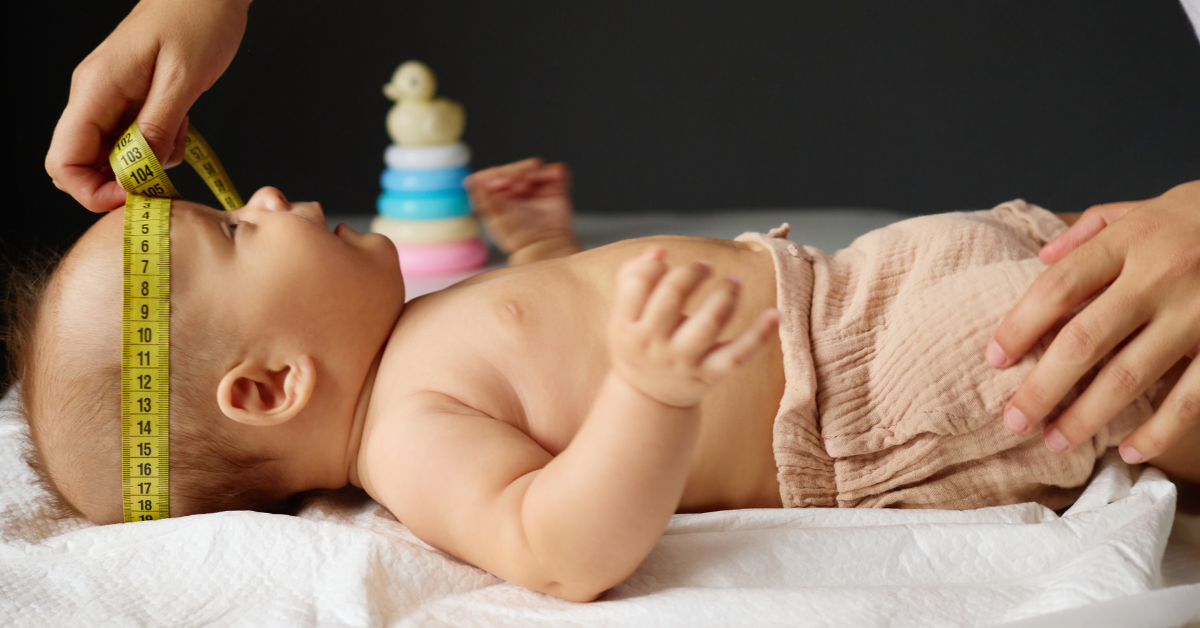
To increase baby head circumference, focus on nutrition, regular check-ups, and engaging activities that promote brain development.
Head circumference is a crucial indicator of a baby’s growth and development. It reflects brain size and can signal overall health. Parents often wonder how to ensure their baby’s head circumference is within a healthy range. Understanding the factors that influence head growth can lead to better outcomes for children.
The Importance of Head Circumference
Head circumference measurements are routinely taken during pediatric visits. They help healthcare providers assess brain development and identify any potential issues early on. A baby’s head grows rapidly in the first year, reflecting the rapid brain growth occurring during this period. The average head circumference at birth is about 35 centimeters (cm), typically reaching around 46 cm by the first birthday.
Monitoring head circumference is essential for several reasons:
- Brain Development: Consistent, proportionate head-growth within the normal percentile range is linked with better cognitive outcomes; extremely large or very small measurements may signal underlying issues that need evaluation.
- Health Indicators: Abnormal measurements can indicate underlying health conditions.
- Growth Patterns: Tracking growth helps identify if a baby is growing consistently along their growth curve.
Parents should keep an eye on their baby’s growth charts, which plot head circumference against age to ensure they are on track.
Factors Influencing Head Circumference
Multiple factors contribute to a baby’s head circumference. Genetics play a significant role; if parents have larger heads, their children may as well. However, environmental factors and nutrition also significantly impact this measurement.
Genetics
Genetics is one of the most influential factors in determining a child’s physical characteristics, including head size. If both parents have larger-than-average heads, it’s likely their child will too. Genetic predisposition sets the foundation for growth patterns, but it’s not the only player in this game.
Nutrition
Proper nutrition during pregnancy and infancy is vital for healthy brain development and consequently influences head circumference. Pregnant women should consume a balanced diet rich in essential nutrients such as folic acid, omega-3 fatty acids, iron, and vitamins A and D.
Post-birth, breastfeeding provides infants with all necessary nutrients for optimal growth during those critical early months. If breastfeeding isn’t an option, choosing high-quality formula milk that mimics breast milk’s nutritional profile becomes crucial.
| Nutrient | Importance |
|---|---|
| Folic Acid | Essential for brain development; reduces neural tube defects. |
| Omega-3 Fatty Acids | Supports cognitive function; found in fish oil. |
| Iron | Crucial for oxygen transport; prevents anemia. |
| Vitamins A & D | Aids in overall health; supports immune function. |
Ensuring that infants receive adequate nutrition can positively influence their overall health and development.
Complementary Feeding for 6–12 Months
As babies move beyond exclusive breast- or formula-feeding, the weaning menu becomes pivotal for continued head and brain growth. Think of each spoon-ful as construction material for neural highways:
- Iron-rich purées: Soft beef, chicken liver, or iron-fortified cereal twice a day helps prevent iron-deficiency anemia.
- DHA boosters: A teaspoon of mashed, boneless sardine or a drizzle of algae-oil meets the daily DHA target without overpowering flavours.
- Choline classics: Hard-boiled egg yolk—pressed through a sieve—delivers about 140 mg of choline per yolk, fortifying memory circuits.
- Zinc partners: Sprinkle ground pumpkin seed onto fruit purée; zinc supports myelination.
| Nutrient | Best Natural Sources | Adequate Intake (AI)* |
|---|---|---|
| DHA & EPA (Omega-3) | Oily fish, algae oil, enriched eggs | Pregnant/Lactating 300–350 mg DHA; Infants 10–12 mg kg⁻¹ day⁻¹ |
| Choline | Egg yolks, liver, soybeans, quinoa | Pregnant 450 mg; Lactating 550 mg; Infants 125–150 mg |
| Zinc | Beef, lentils, pumpkin seeds | Infants 3 mg; Pregnancy/Lactation 11–12 mg |
| Iodine | Iodized salt, seaweed, dairy | Infants 110 μg; Pregnancy/Lactation 220–290 μg |
| Vitamin B₁₂ | Meat, dairy, fortified cereals | Infants 0.5 μg; Pregnancy/Lactation 2.6 μg |
*Institute of Medicine / WHO reference values.
Regular Pediatric Check-Ups
Regular visits to the pediatrician are essential for monitoring your child’s growth patterns, including head circumference. These check-ups provide opportunities for healthcare providers to assess whether your baby is growing appropriately according to established growth charts.
During these appointments, pediatricians measure not only head circumference but also weight and height to evaluate overall growth trends. If there are any concerns about abnormal measurements or significant changes in growth patterns over time, further evaluations may be necessary.
Parents should feel empowered to ask questions during these visits regarding their child’s growth trajectory or any concerns they might have about nutrition or developmental milestones.
Early Detection and When to Seek Help
If your baby’s head plot suddenly drops two percentile lines or rockets above the 97th, contact your pediatrician within a week rather than waiting for the next well-visit. Red flags include a bulging fontanelle, persistent vomiting, or a widening suture line—possible signs of hydrocephalus or craniosynostosis. Diagnostic steps may involve bedside ultrasound (under six months), MRI, or referral to a pediatric neurologist. Early occupational or physical therapy can often normalise growth trajectories when started promptly.
Activities That Promote Brain Development
Engaging activities stimulate brain development and can indirectly support healthy head-circumference growth by fostering cognitive skills and overall well-being. Here are some effective methods:
Tummy Time
Tummy time encourages babies to lift their heads while lying on their stomachs. This activity strengthens neck muscles and promotes motor skills while also providing sensory stimulation from different positions.
Parents should aim for short sessions of tummy time several times a day from birth onward as it helps develop coordination and balance—skills essential as babies grow older.
Interactive Playtime
Playing interactive games fosters social connections while encouraging cognitive development. Simple activities such as peek-a-boo or playing with toys that make sounds can stimulate a baby’s senses and promote engagement with their environment.
As babies grow into toddlers, introducing puzzles or building blocks can further enhance problem-solving skills while also developing fine motor skills necessary for future tasks like writing or drawing.
Reading Together
Reading aloud introduces babies to language patterns while enhancing auditory skills. It’s never too early to start reading! Books with bright images capture attention while promoting visual recognition abilities.
Establishing a reading routine creates bonding experiences between parent and child while fostering an environment rich in language exposure—critical for cognitive development over time.
Safe Head-Shaping Practices
Flat spots (positional plagiocephaly) can distort measured circumference and mask true growth. Swap sleep positions between left and right occiput, use supervised “football hold” carrying, and limit prolonged car-seat time outside the car. If asymmetry persists past four months, ask about a physical-therapy program; helmet therapy is rarely needed when early repositioning works.
The Role of Sleep in Brain Development
Sleep plays an indispensable role in brain health during infancy and childhood stages of life. During sleep cycles, particularly deep sleep phases, the brain consolidates memories learned throughout the day while supporting physical growth processes as well.
Establishing healthy sleep habits ensures babies receive adequate rest needed for optimal functioning both cognitively and physically:
- Consistent Sleep Schedule: Keeping bedtime routines consistent reinforces circadian rhythms.
- Comfortable Sleeping Environment: Ensuring safe sleeping arrangements promotes better quality sleep.
- Limit Stimulation Before Bedtime: Reducing screen time before bed helps prepare infants’ minds for restful sleep without distractions interfering with natural rhythms.
Nurturing Emotional Well-Being for Cognitive Growth
Emotional well-being influences cognitive development profoundly; feeling secure enables children to explore their surroundings confidently while absorbing new information effectively! Creating nurturing environments fosters emotional stability through consistent love and support from caregivers:
- Responsive Caregiving: Responding promptly when babies express needs builds trust and attachment.
- Positive Reinforcement: Encouraging exploration through praise reinforces positive behaviors leading toward healthy self-esteem.
- Quality Time Together: Spending time together strengthens bonds and creates lasting memories which positively impact emotional resilience.
Healthy emotional states lead naturally into improved cognitive functioning over time—further enhancing learning experiences throughout childhood!
Conclusion – How To Increase Baby Head Circumference?
Increasing baby head circumference involves focusing on nutrition, regular pediatric check-ups, engaging activities that promote brain development, ensuring proper sleep habits, nurturing emotional well-being, and minimizing environmental risks—all critical elements contributing toward optimal growth trajectories!
Through these strategies combined—parents create supportive foundations enabling children not only to thrive physically but also cognitively throughout the formative years ahead!