
Specs are compiled from manufacturer listings and verified buyer reviews and can change over time — please confirm the key details on the product page before buying.
Most running shoes lift your heel higher than your toe — a design that alters your natural stride and can jam your toes together over time. A 0 drop running shoe levels that heel and toe so your foot lands the way nature intended, letting your toes spread and your posture find its neutral line. The catch is that not all zero-drop shoes are built the same, and picking the wrong one can leave you nursing arch pain or buying a new pair in six months.
I’m Emma — the founder and writer behind Snuggy Mom. This guide is built by comparing the manufacturers’ published specifications and the patterns across verified customer reviews, so you get each pick’s real strengths and trade-offs instead of marketing spin.
After poring over hundreds of owner experiences and technical specs for the widest and toughest zero-drop models, here is my take on the best 0 drop running shoes for everyday wear, the gym, and long pavement miles.
Our Picks at a Glance
How To Choose The Best 0 Drop Running Shoes
Switching to a zero-drop shoe is about retraining how your foot meets the ground. Here are the three things to check before you buy.
The Toe Box — Room to Splay
A zero-drop shoe works best when your toes can spread sideways during each stride. That is why the term “wide toe box” matters. Look for a shape that does not pinch your little toe or force your big toe inward — the room allows your foot to absorb shock naturally and improves balance during lifts or turns.
Cushioning and Ground Feel
Not all zero-drop shoes are paper-thin. Some pack a moderate cushion layer for road running, while others aim for a near-barefoot contact. Decide how much protection you need from pavement or treadmill impact. The less foam between you and the ground, the more your foot muscles work — which is great for long-term strength but demands a gradual transition period.
Durability for Your Routine
Zero-drop shoes often use lightweight materials that can wear faster than chunky trainers. Check the outsole rubber and the upper fabric. If you log heavy weekly mileage or work on your feet, a shoe with a reinforced upper and a denser tread pattern will hold up longer. A few buyers report that certain models show heel wear or fabric fraying around six months. — knowing your typical mileage helps you choose one that matches your cadence.
Quick Comparison
| Model | Best For | Drop | Toe Box | Best Feature | Amazon |
|---|---|---|---|---|---|
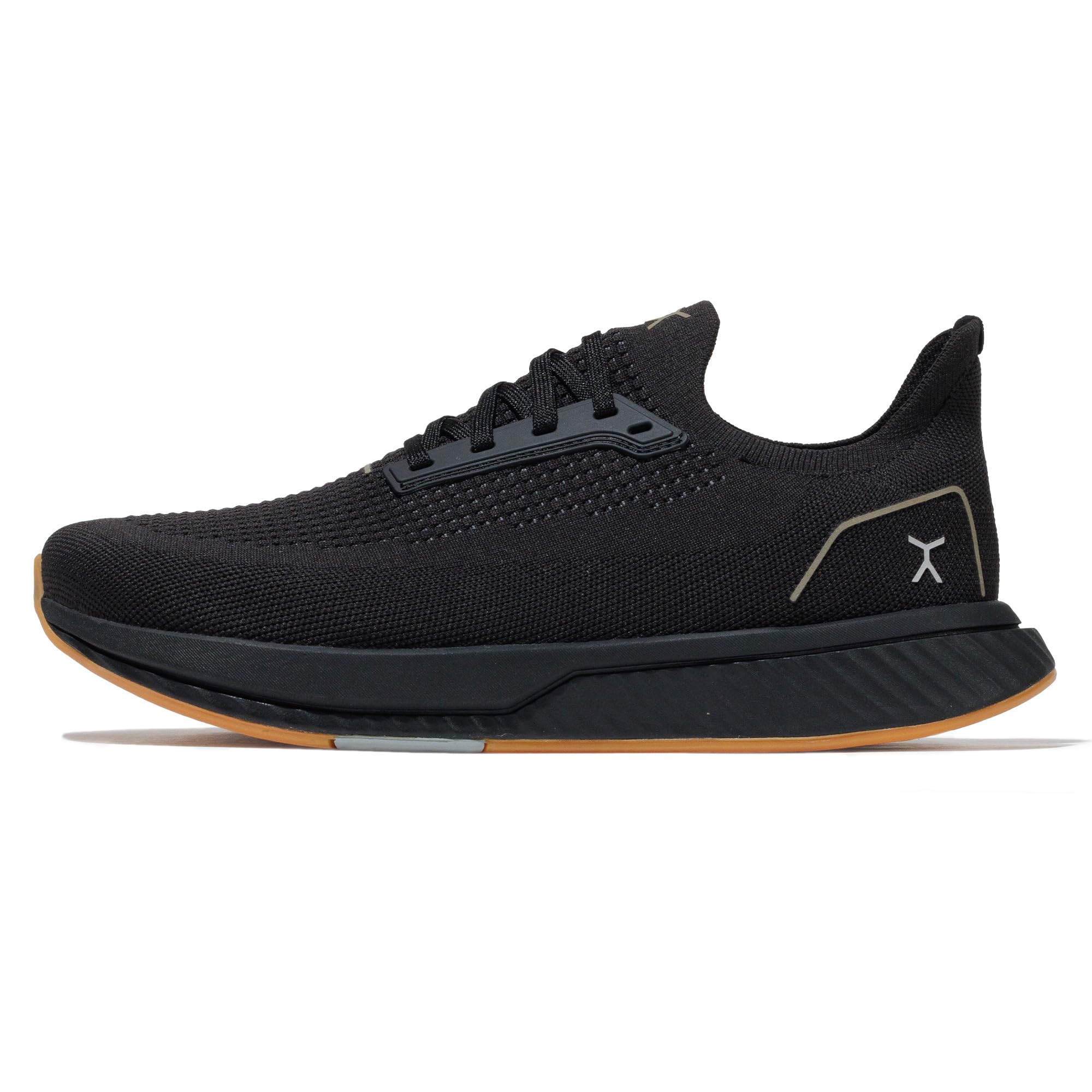
| Flux Adapt Runners★ Best Overall | All-day comfort & foot health | 0mm | Wide | Stretchy knit upper | Amazon |
| Xero Nexus Knit | Lightweight lifestyle & gym | 0mm | Wide | Machine washable knit | Amazon |
| Flux Adapt Graphene RR | Road running & cross-training | 0mm | Extra-wide | Graphene grip outsole | Amazon |
In‑Depth Reviews
1. Flux Adapt Runners
Our pick — over 4★ from 900+ verified ratings; the strongest balance of quality and price.
The crowd-favorite zero-drop shoe that feels like a structured sock.
Comfort is the most-discussed quality here — well over 250 owners call it out, describing the textured insole as feeling like a foot massage. The wide toe box gives your toes space to spread, and the stretchy knit upper wraps around your foot without squeezing. Buyers with flat feet or post-surgery recovery report that this shoe reduced knee and back pain. It runs slightly small, so the consistent advice is to size up half a size for the perfect fit.
The flip side is durability. A nurse wearing these for 12-hour shifts reported that the inside heel lining wore through after about six months of moderate wear., and a handful of other buyers mention the sole beginning to separate at the heel. The trade-off is clear: you get cloud-like comfort and roomy toes, but the lightweight materials mean you may replace them sooner than a chunky trainer. For daily walking, gym sessions, and casual wear, though, this is the pair owners come back to — “most comfortable shoe I’ve owned in a while,” as the reviews put it.
Why owners love them
- Exceptional comfort — praised as “like a foot massage” with a textured insole
- Wide toe box and stretchy upper fit wide feet without pressure
- Reduces foot, knee, and back pain for long-standing jobs
The honest caveats
- Size up half a size; the listed size may feel snug at first
- Heel lining can wear out near the 6-month mark with heavy daily use
- A few owners note arch is too tight for high-arched, wide feet
Grab these if: you want a zero-drop shoe you can wear all day — for work, walks, and the gym — without a break-in period.
Think twice if: you need a bulletproof trainer for high-mileage road running every week; durability here is good, not extreme.
2. Xero Shoes Nexus Knit

The featherlight zero-drop snеaker that disappears on your foot.
Owners consistently call this shoe “lightweight, forget you’re wearing them” — and that is its superpower. At a lower weight than most zero-drop options, the Nexus Knit feels barely-there for errands, light workouts, and casual days. The knit upper breathes well and survives a machine wash without falling apart, which is a big plus for anyone who hates scrubbing dirt out of fabric. The wide toe box and zero-drop platform give your feet room and a natural stance.
The catch is that the fit divides opinions. While the toe box width is generous, the low vertical space can cramp toes if you have a high-volume foot, and a few owners mention that the tongue sits too high on the front of the ankle. Traction also gets mixed marks — the sole is flexible rather than aggressive, so wet pavement calls for a careful stride. Compared to the Flux Adapt Runners above, the Nexus Knit is lighter and more lifestyle-friendly, but less suited for heavy running mileage or pounding pavement. It works best as a versatile, breathable second pair for the gym, walking, and quick trips.
What wins people over
- Extremely lightweight — owners say you forget they are on your feet
- Breathable knit upper that is machine washable
- Flexible sole and wide toe box promote natural foot movement
Where it falls short
- Toe box height is low, which can cramp toes on high-volume feet
- Traction is mixed — not ideal for wet or slippery surfaces
- Tongue and ankle collar sit high, causing rubbing for some
Reach for these if: you want a barely-there zero-drop shoe for everyday wear, casual workouts, and travel where weight matters.
Look elsewhere if: you need a shoe for regular road running or you have a high instep that needs more vertical toe room.
3. Flux Adapt Graphene RR
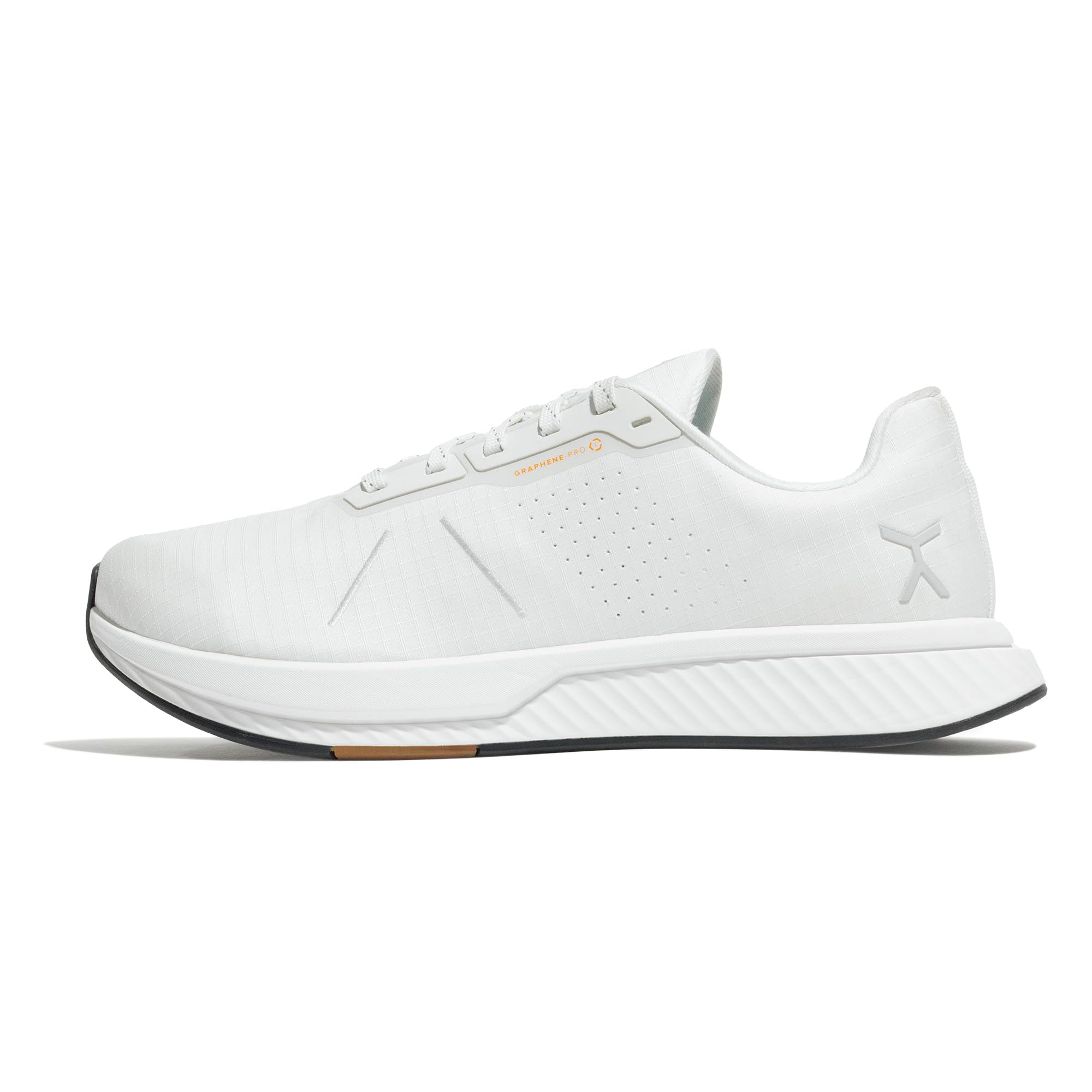
The road-runner that fixes knee pain and sore toenails.
This is the most performance-oriented pick of the three. The Flux Adapt Graphene RR uses a ripstop upper (a tightly-woven fabric that resists tears and abrasion) and a graphene-infused outsole for grip on pavement and treadmills. The extra-wide toe box eliminates sore toenails during longer runs, and the AdaptSol insole reduces knee pain. One runner who switched from the Asics Nimbus 25 said the Flux offered a sturdier build and better cushioning.
The main trade-off is the material’s cleanliness. Several owners note that the fabric stains very easily and that cleaning can turn it yellow, so this is not a shoe for muddy trails or sloshy conditions unless you carry a spot-clean kit. A few also mention heel blisters or fabric wear around the heel area, suggesting that the sock-like fit may not suit every heel shape. Compared to the standard Flux Adapt Runners, the Graphene RR is tougher for running but demands more care with upkeep. If you log miles on clean roads or the treadmill and want a wide, zero-drop platform that protects your toes and knees, this is the one.
Strengths from owners
- Extra-wide toe box prevents sore toenails during runs
- Graphene outsole delivers secure grip on road and treadmill
- Sturdy build that outlasts some mainstream brands on mileage
Honest downsides
- Fabric stains very easily and is hard to clean without yellowing
- Heel area can cause blisters for some foot shapes
- A few customers note heel fabric wear with frequent use
Choose this for: road running, treadmill sessions, and cross-training where you want maximum toe room and knee protection.
skip it if: you run on muddy or dusty terrain, or you prefer a shoe you can throw in the washer without worry.
Understanding the Specs
Zero Drop (0mm Heel-Toe Drop)
This means the heel and toe sit at the same height off the ground. Unlike standard running shoes that lift your heel 8-12mm higher, zero-drop shoes let your foot land more naturally — usually on the midfoot or forefoot — which reduces stress on your knees and lower back. The trade-off is that your calves and Achilles tendons work harder at first, so a gradual transition is smart.
Wide Toe Box
A wide toe box gives your toes room to spread sideways inside the shoe. In a natural stride, your toes splay for balance and shock absorption. Shoes that pinch them together can lead to bunions, neuromas, and unstable landings. Look for a shape that does not taper sharply at the front — that flat, foot-shaped silhouette is the marker of a true wide toe box.
Graphene Outsole
Graphene is a thin, super-strong carbon layer added to the rubber outsole. It improves grip on road and treadmill surfaces without making the sole stiff or heavy. It also resists wear longer than standard rubber, though it does not help much on wet grass or loose dirt. The main downside is cost — it pushes the shoe into a higher price tier.
FAQ
Do I need to break in zero-drop running shoes slowly?
How do zero-drop shoes compare to barefoot shoes?
Can I wear zero-drop shoes if I have flat feet or high arches?
What size should I order for the Flux Adapt Runners?
Are zero-drop shoes good for walking or just running?
How often should I replace zero-drop running shoes?
Can I use zero-drop shoes for strength training and lifting?
Do zero-drop shoes help with knee pain or back pain?
How do I clean zero-drop shoes with knit or ripstop uppers?
Do zero-drop shoes fit into regular shoe racks or gym bags?
Final Thoughts: The Verdict
For most buyers, the best 0 drop running shoes winner is the Flux Adapt Runners because they combine plush comfort, a generous toe box, and a stretchy knit upper that works straight from the start — no break-in needed, just size up half a size. If you want a featherlight, machine-washable shoe for the gym and everyday wear, grab the Xero Nexus Knit. And for road running and cross-training where knee protection and toe room are non-negotiable, the Flux Adapt Graphene RR is the one to reach for.
How We Picked
We do not accept paid placement. Every pick is matched to a real buyer and a real use-case; we do not hands-on test units.
Sources & Methodology
Specifications: manufacturer listings and product documentation. Review insights: verified customer reviews, as of July 2026. Pricing: not shown on this page (it changes often); check the current price via the retailer link.
As an Amazon Associate, Snuggy Mom earns from qualifying purchases. This does not affect which products we feature.